

I often find that a small garden starts to feel awkward when paths cross through planting beds or leave dead ends near seating areas.
Over time I have seen how rethinking the main routes can open up daily movement without adding new structures or hardscaping.
Simple path tweaks help most.
In my own space I moved a border just enough to create a loop and noticed how much easier it became to reach the back corner for watering and weeding.
Many of the ideas here build on that same idea of layering small layout fixes that fit the way a garden is actually used.
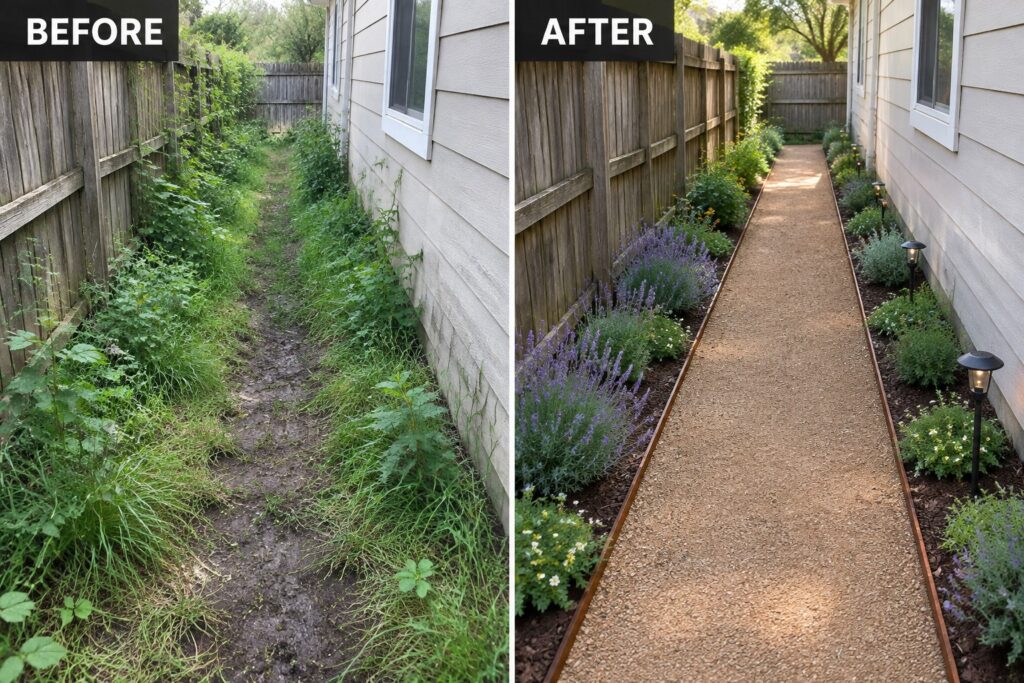
Define A Narrow Side Yard With A Gravel Path

A muddy, overgrown strip between the house and fence makes it hard to move through the space without getting dirty or pushing through weeds. Laying down a gravel path with simple edging turns the same narrow area into a clear, usable walkway that stays dry and easy to maintain.
This approach works especially well in tight side yards where traffic needs to flow regularly. Clear the overgrowth first, then add edging to keep the gravel contained and plant low along the borders so the path stays open. Solar lights help mark the route at night without crowding the space.
Create A Continuous Stone Route From Patio To Back Fence

The before photo shows a patchy lawn with stepping stones scattered in no clear pattern. People had to guess where to walk, which left the grass worn and the space feeling disorganized. Adding a continuous stone path with gravel edges and planted borders on both sides turns the same narrow yard into a space that guides movement naturally from the patio to the back fence.
This idea works well in small backyards where every square foot matters. Start by watching how people actually cross the lawn, then lay the path along that line rather than forcing a straight route. Keep the planting low on the sides so the walkway stays open and does not feel crowded. The result is a garden that feels planned without needing a big budget or lots of new features.
Frame A Straight Walkway With Structured Border Beds
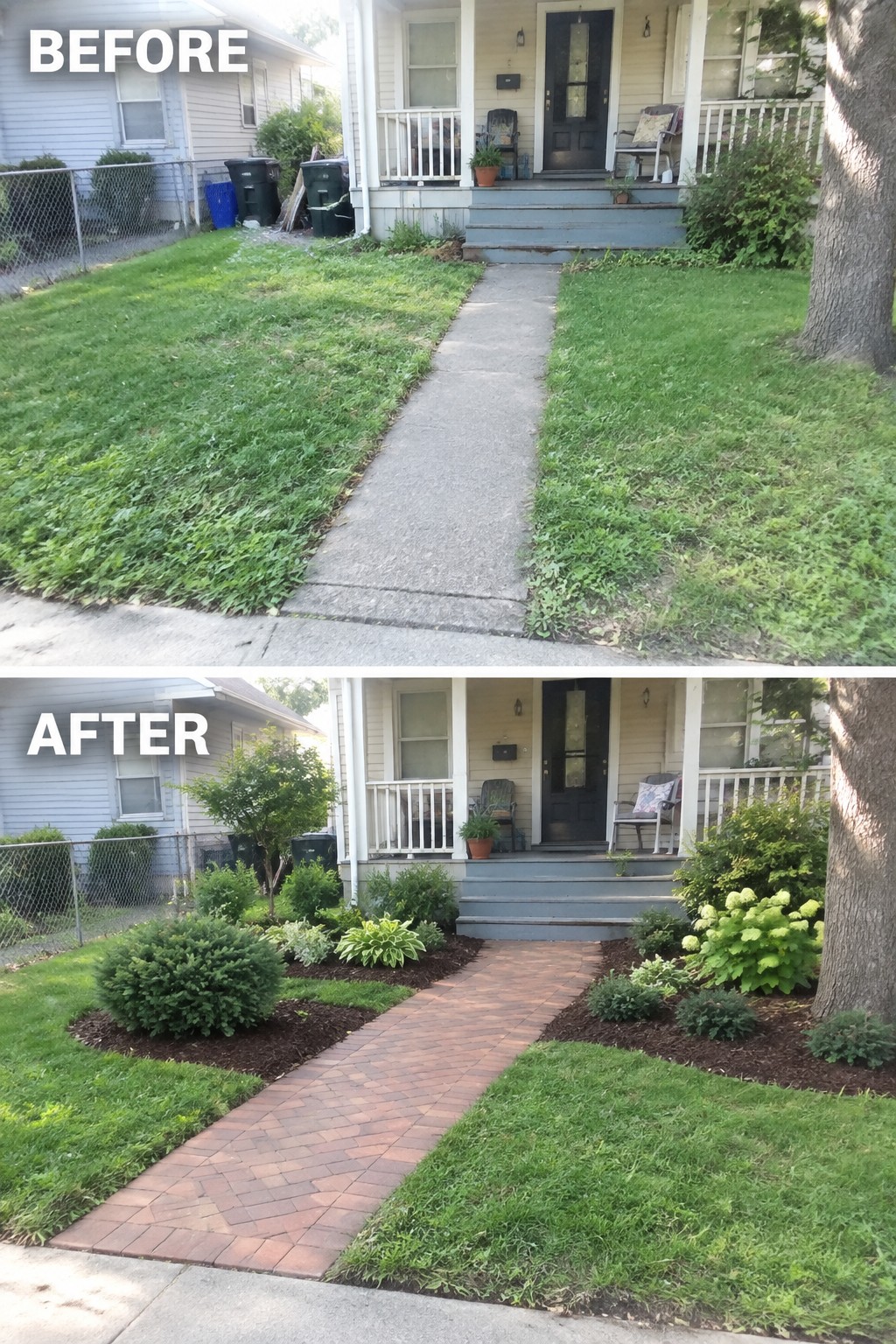
A straight concrete path through an open lawn often leaves a small yard feeling loose and hard to navigate. Adding a structured walkway with planted borders on both sides creates clear edges that direct foot traffic and keep the lawn from looking scattered. The switch from plain concrete to a brick paver path plus mulched beds gives the space shape without crowding it.
This layout works well in narrow front yards or side gardens where you need to move from the street to the door without stepping on grass. Start by marking the path width you actually use, then add low beds on each side with mulch to hold the line. Keep the plants simple so the path stays the main route.
Create A Welcoming Entry Route With Paving And Planting
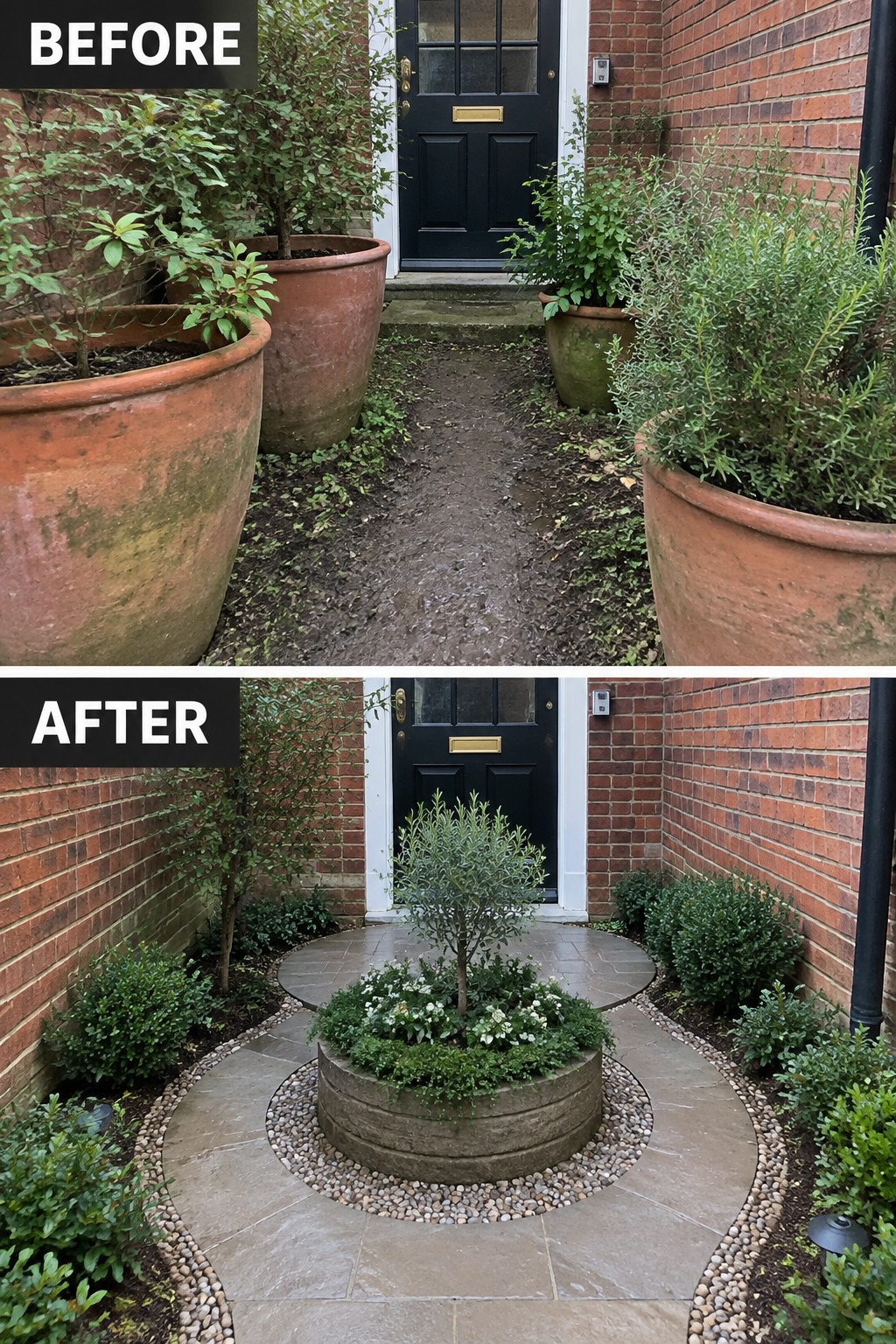
A muddy, undefined walkway makes any small front garden feel cramped and hard to navigate. Adding a simple paved path with a central planter gives the space a clear route to the door while keeping the sides open for planting. The change turns a narrow, awkward approach into something that actually guides people through without feeling squeezed.
This idea works well in small entries or side returns where you need to keep movement easy. Start with the path layout first, then add planting around it so the beds stay out of the way. Stick to one main material for the paving and repeat it in the border edging to keep the whole area feeling planned rather than crowded.
Define Narrow Passages With Stepping Stones

A narrow side yard often becomes a problem when plants grow in from both sides and the ground stays uneven. In this case the space went from a cramped dirt track to a usable walkway simply by laying down a row of stepping stones and refreshing the surface with mulch. The stones give people a clear place to step, which stops the path from feeling like an afterthought.
This approach works well along the side of a house or between a fence and a wall where space is limited. Start by cutting back the worst of the overgrowth, then set the stones at a comfortable walking distance. Keep the planting low or trained on a trellis so it does not creep back over the path later.
Line A Garden Path With Raised Beds
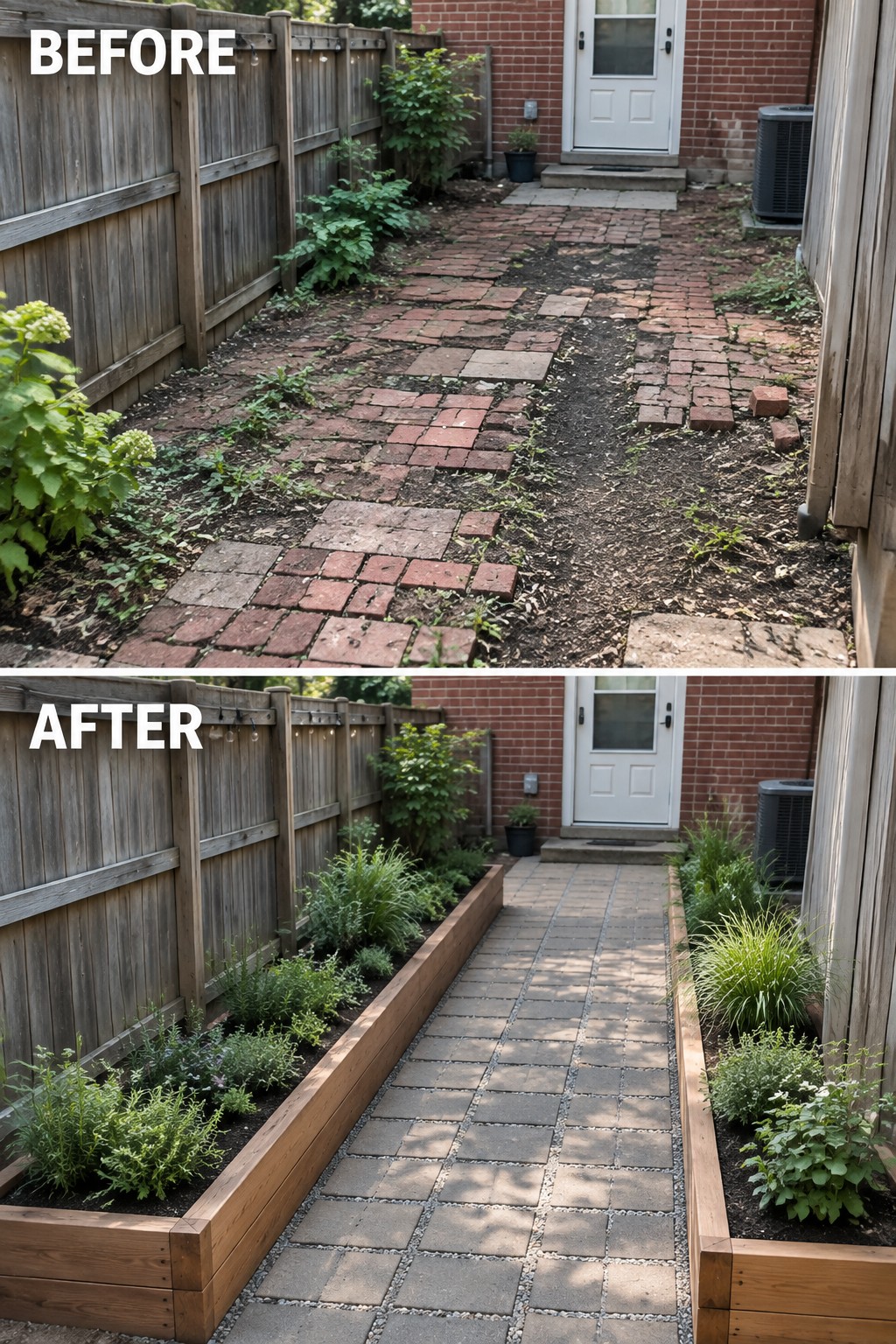
A messy brick path with weeds pushing through the gaps makes any small garden feel neglected and hard to walk through. Adding raised wooden beds on both sides gives the path clear edges, turns the soil into usable planting space, and keeps foot traffic moving in a straight line without stepping on plants.
This layout works best in narrow side yards or back gardens where you need to keep a walkway open while still having room to grow. Start with simple rectangular beds made from pressure-treated lumber, fill them with soil, and choose plants that stay mostly within the bed edges. The structure alone makes the whole area feel planned and easier to maintain.
Connect Lawn And Entry Areas With A Simple Stone Walkway
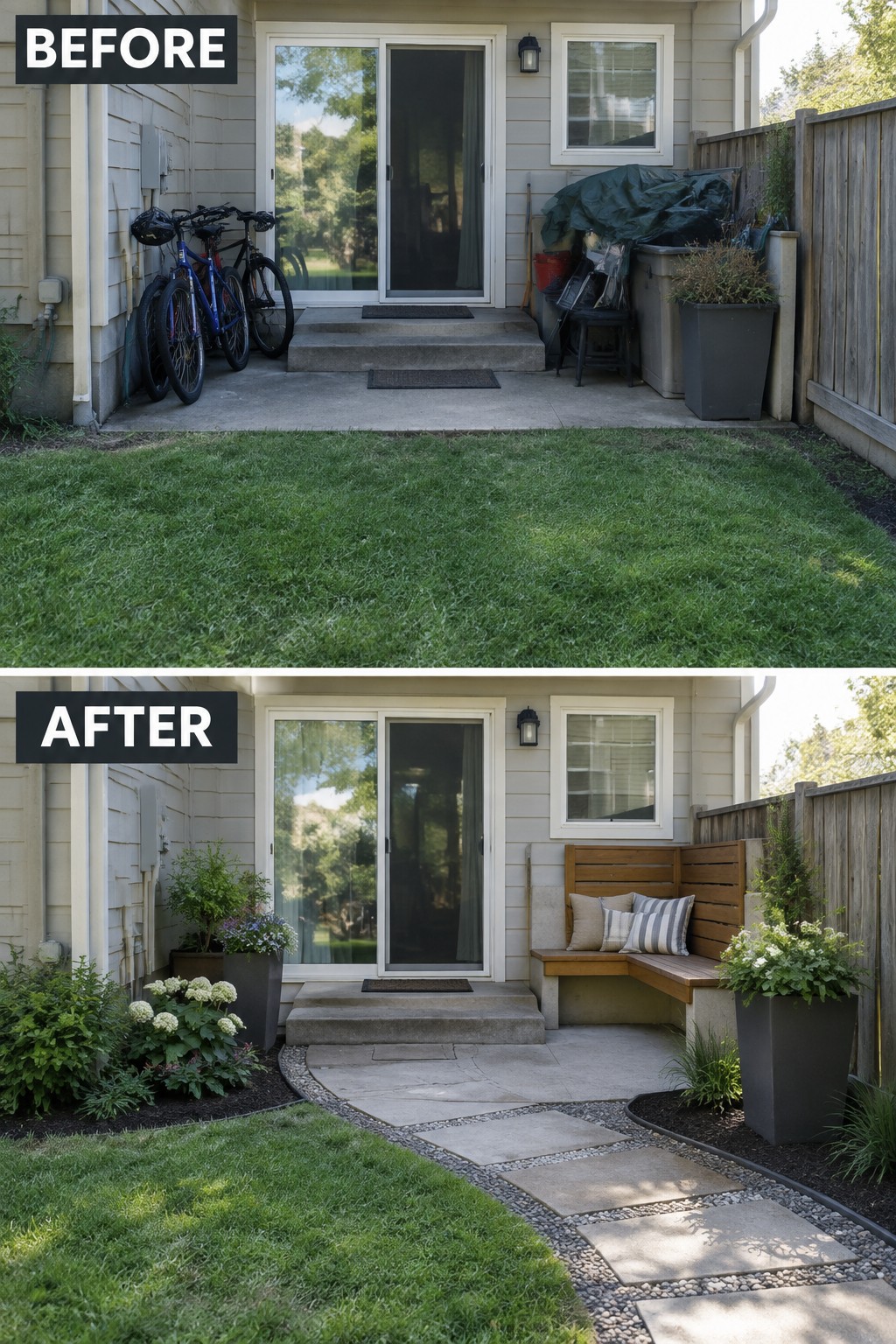
A wide stretch of lawn can make a small yard feel aimless, especially when the only route to the door is straight across the grass. Laying a simple stone path creates a clear line of travel, keeps feet out of the planting areas, and gives the space an organized feel without crowding it.
This idea works best in compact yards where the lawn, entry, and beds all sit close together. Map the route people already take, then set the pavers slightly wider than a single step so two people can pass. Use the same path material for any side connections so the whole layout reads as one plan rather than separate patches.
Use Low Pavers To Contain Garden Beds Along The Main Route

The before photo shows a worn strip of grass leading straight to the steps, with garden beds that felt scattered along the foundation. Laying down a row of pavers gave the space a clear walking route while keeping the planting areas contained on either side.
This approach works best in narrow front yards where you still want lawn space but need to stop people from cutting across randomly. Mark the route that already gets the most use, choose simple pavers that sit low to the ground, and keep the beds on both sides fairly narrow so the path does not feel squeezed.
Define A Clear Path To Guide Movement
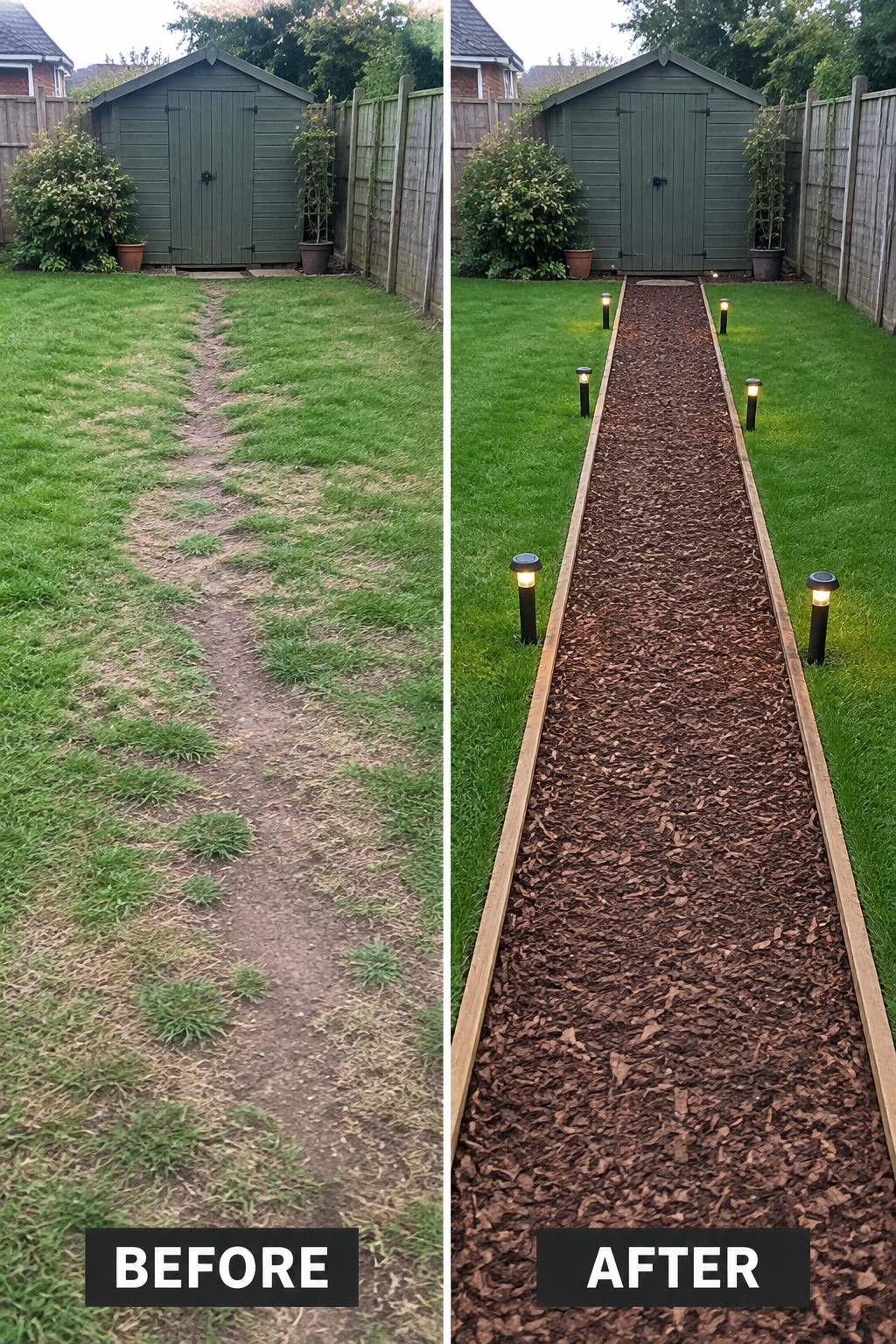
A worn track across the lawn forms naturally when people take the same route again and again. Replacing it with a bordered mulch path gives the space a settled look and stops the grass from turning into mud.
This idea works best in small gardens where the path needs to connect the house to a shed or back gate. Keep the width practical for walking, use simple edging to hold the mulch in place, and add a few low lights if the route is used after dark.
Open Circulation Around A Central Garden Bed
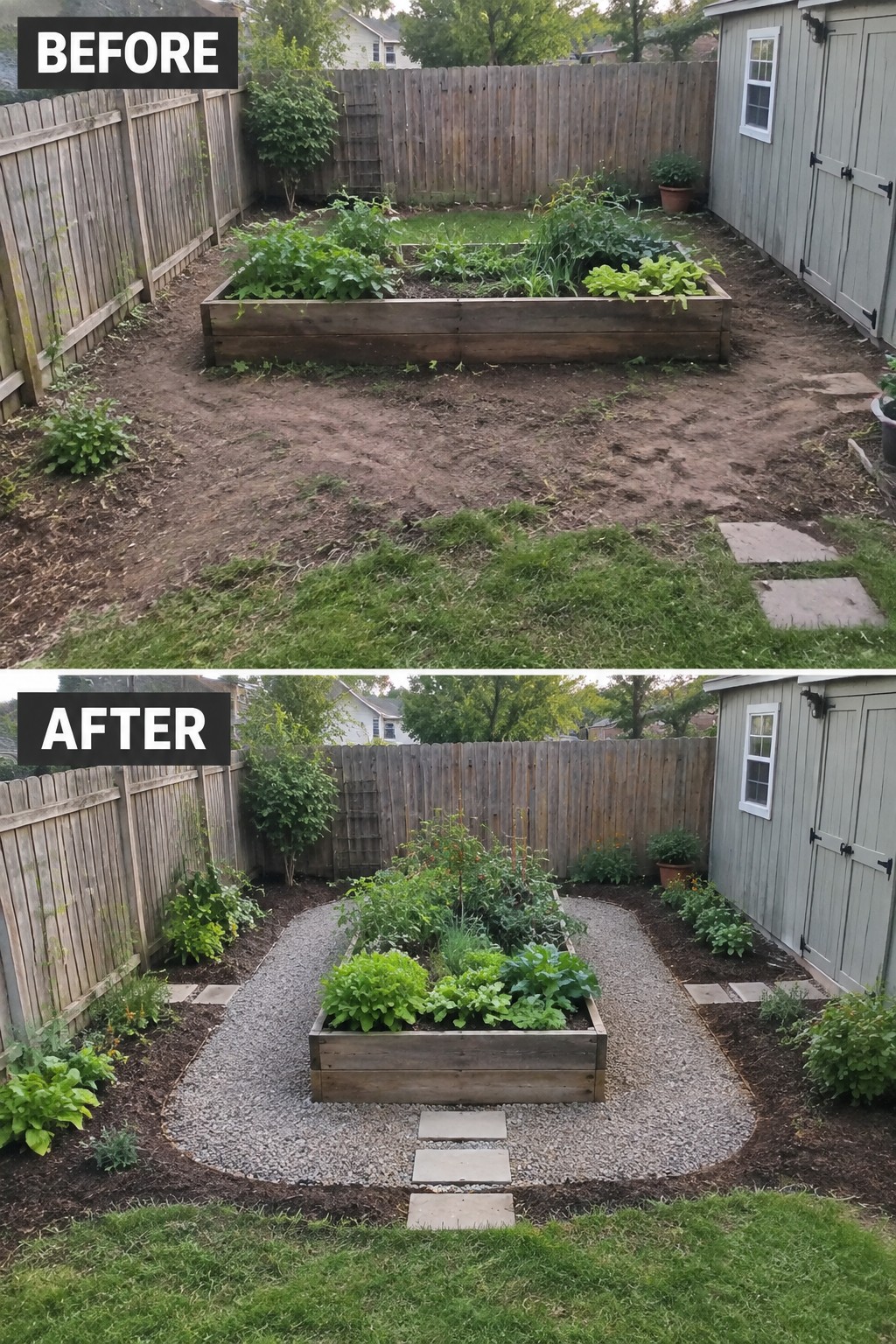
A bare dirt yard with one raised bed often feels unfinished and hard to walk through. Adding a gravel border around the bed and placing a few stepping stones creates a clear shape that guides feet and keeps the planting area looking intentional. The change turns an open patch of ground into a space with obvious paths and edges.
This approach works well in small backyards where you want to keep the focus on the garden without crowding it. Start with the gravel to set the boundary, then add pavers where people need to step. It leaves room to move around the bed and makes weeding or harvesting easier on most days.
Use A Storage Bench To Keep A Narrow Path Clear
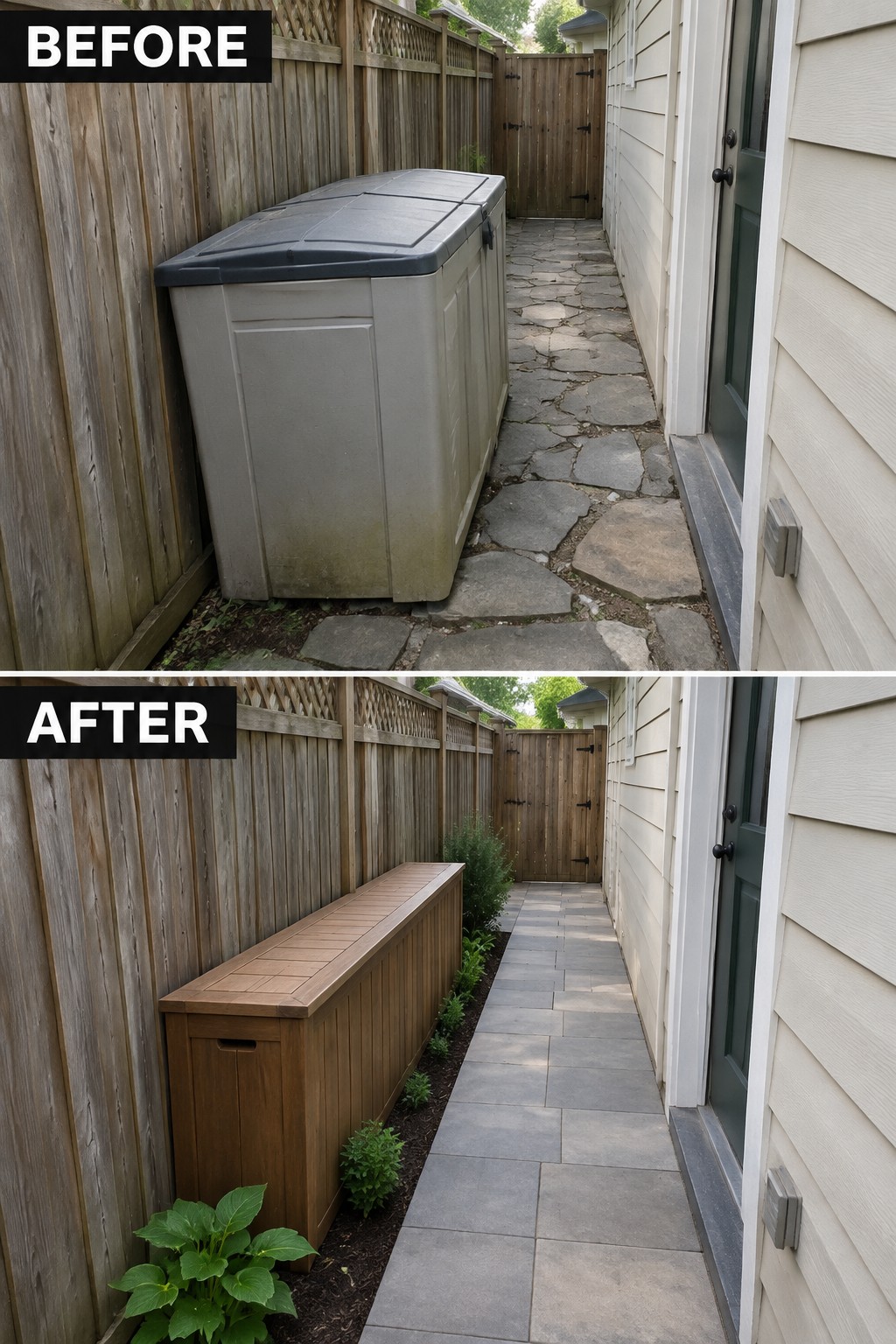
A bulky storage bin sitting in a narrow side yard quickly blocks the only walking route. Replacing it with a long, low bench that tucks against the fence moves the storage out of the way and leaves a straight, open path down the middle.
This idea works best in tight passages between a house and a fence where you still need outdoor storage. Keep the bench shallow enough to leave at least three feet of clear walking space, and match the finish to the fence so the whole area feels more planned.
Open Up A Small Front Garden With Wide Pavers

A wide paved walkway makes a small front garden feel more open and easier to move through. In the before photo the narrow concrete strip sat between messy beds and loose mulch, which made the space feel cramped. Switching to larger pavers gives the path better shape and keeps feet out of the planting areas.
This approach works well on any small lot where the front door sits a short distance from the street. Start by clearing the old surface and laying pavers in a simple running pattern that matches the width of your steps. Keep the beds on either side low so they do not crowd the walkway, then add just a few larger containers near the porch to mark the entrance without blocking flow.
Add A Path To Improve Flow Along Garden Edges

Clearing out the thick overgrowth and putting in a line of stepping stones made the narrow strip along the fence much more usable. The path gives a clear route for walking through the space without trampling plants, and the new planting beds stay contained instead of spilling onto the lawn.
This idea works well in small yards where the garden runs tight against a fence or shed. Start by cutting back the mess, then lay pavers or stones in a simple line that follows the natural flow of foot traffic. It keeps the area looking intentional and makes it easier to reach plants for watering or weeding later on.
Use Long Planters To Frame A Clear Central Path
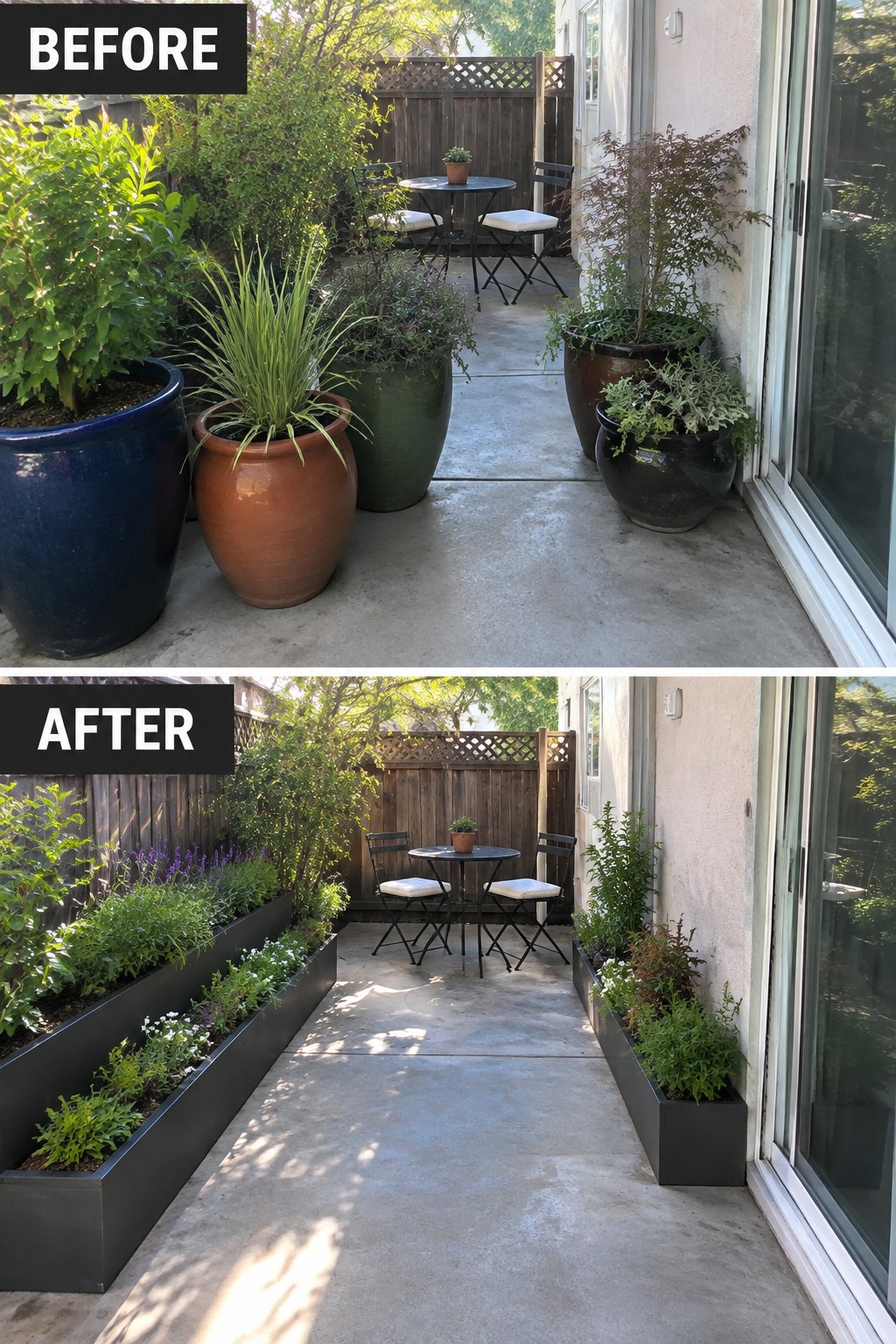
Switching from scattered pots to long rectangular planters along both edges turned a narrow, cluttered walkway into an open path. The change kept the seating area centered while giving people room to move through without stepping around obstacles.
This layout works especially well in tight side yards or slim patios where traffic needs to stay smooth. Run the planters parallel to the walls or fence, choose a width that leaves at least three feet clear in the middle, and stick to one or two plant heights so the space still feels open.
Add Defined Paths To A Sloped Garden
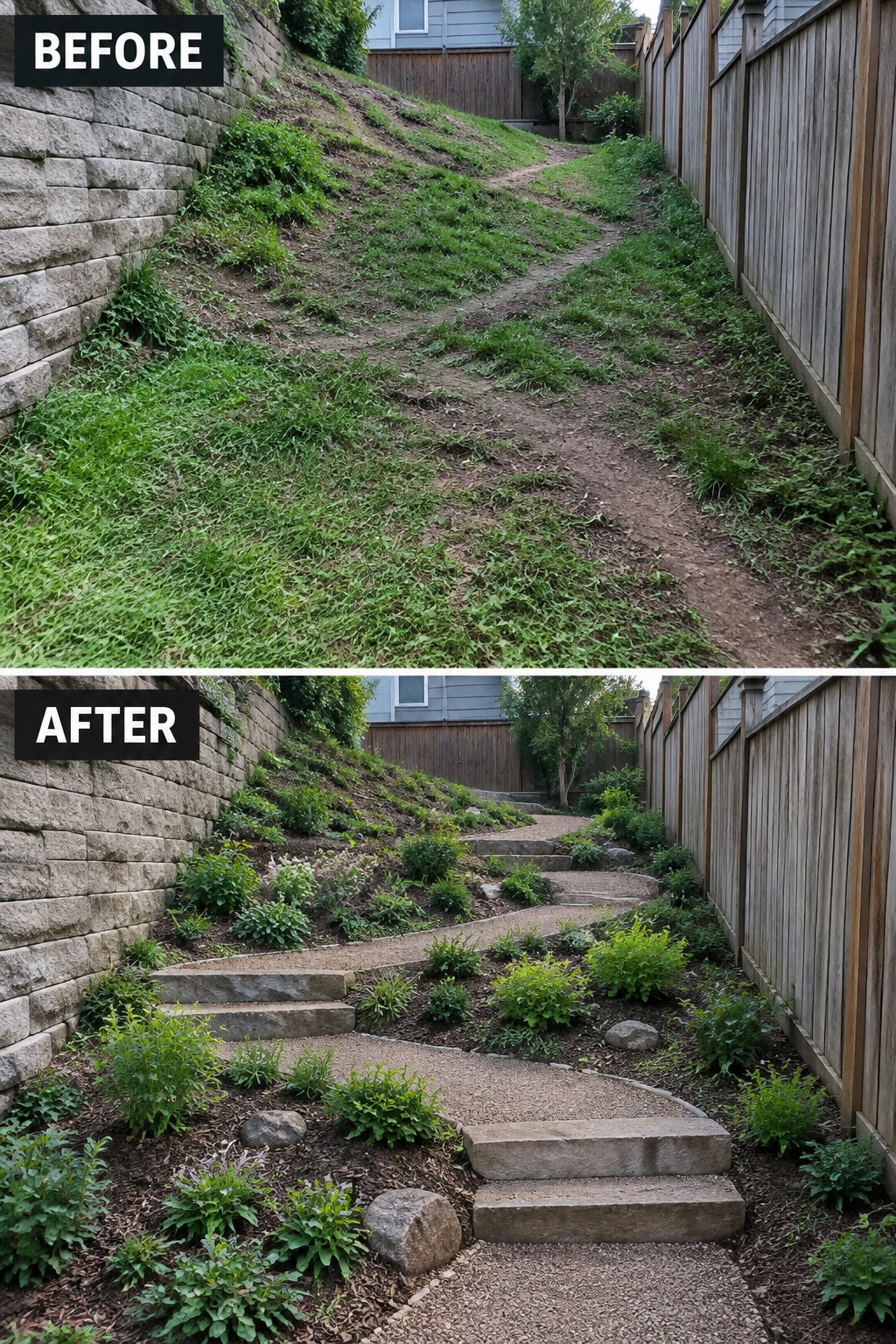
A steep slope with no clear route usually turns into a weedy mess that gets slippery and hard to use. Laying a gravel path with stone steps gives the yard a simple structure that makes walking through it much easier while cutting down on erosion.
This idea works best in narrow side yards or back gardens where traffic needs a set route. Clear the overgrowth first, then place steps to match the grade and edge the path with low plants and mulch. The beds stay manageable and the whole space feels more intentional without crowding the walkway.
Guide Yard Traffic With A Straight Paver Walkway
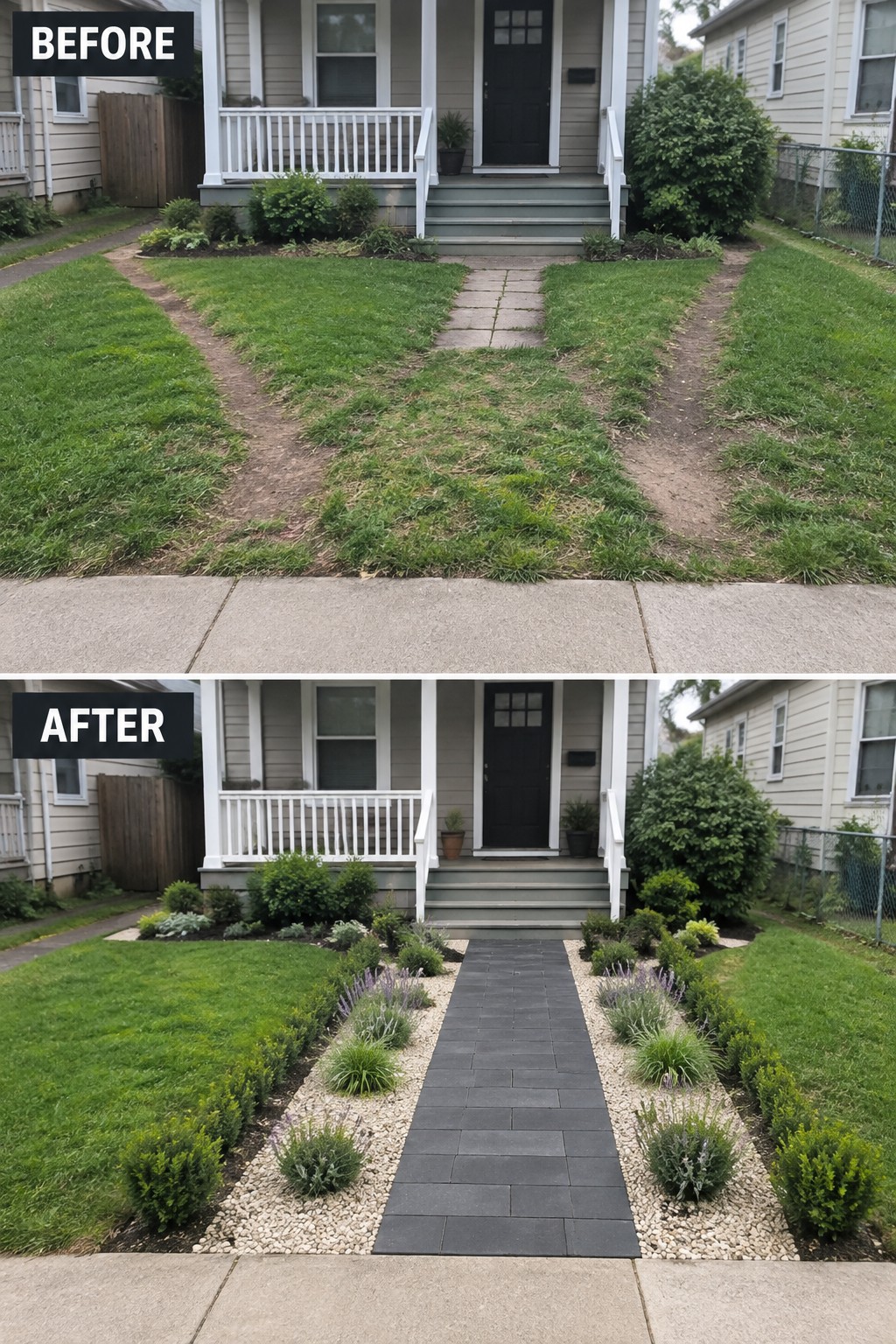
A worn lawn with random dirt tracks makes it hard to know where to walk. Switching to a straight paver path and adding gravel beds on both sides gives the space a simple structure that actually directs foot traffic instead of letting people wander across the grass.
This idea works well in small front yards where you need to keep the lawn usable while still giving visitors an obvious route to the door. Start with the path first, then plant low shrubs and flowers along the edges so the beds stay narrow enough to leave room on each side.
Define Gate Paths With Gravel And Stepping Stones

A muddy gateway quickly becomes a problem in any small garden. The before photo shows how traffic wears down the ground into a slick, uneven mess that no one wants to walk through. Adding a gravel base with stepping stones gives the path a firm surface and a clear route, so people move through the gate without tracking dirt or slipping.
This idea works best in tight side yards or back entrances where space is limited. Start by clearing the old surface, then lay landscape fabric before the gravel so weeds stay down. Keep the stepping stones spaced for natural strides and make sure the path is wide enough for two people to pass without stepping onto the beds.
Follow Natural Foot Traffic With Stepping Stones Across The Lawn
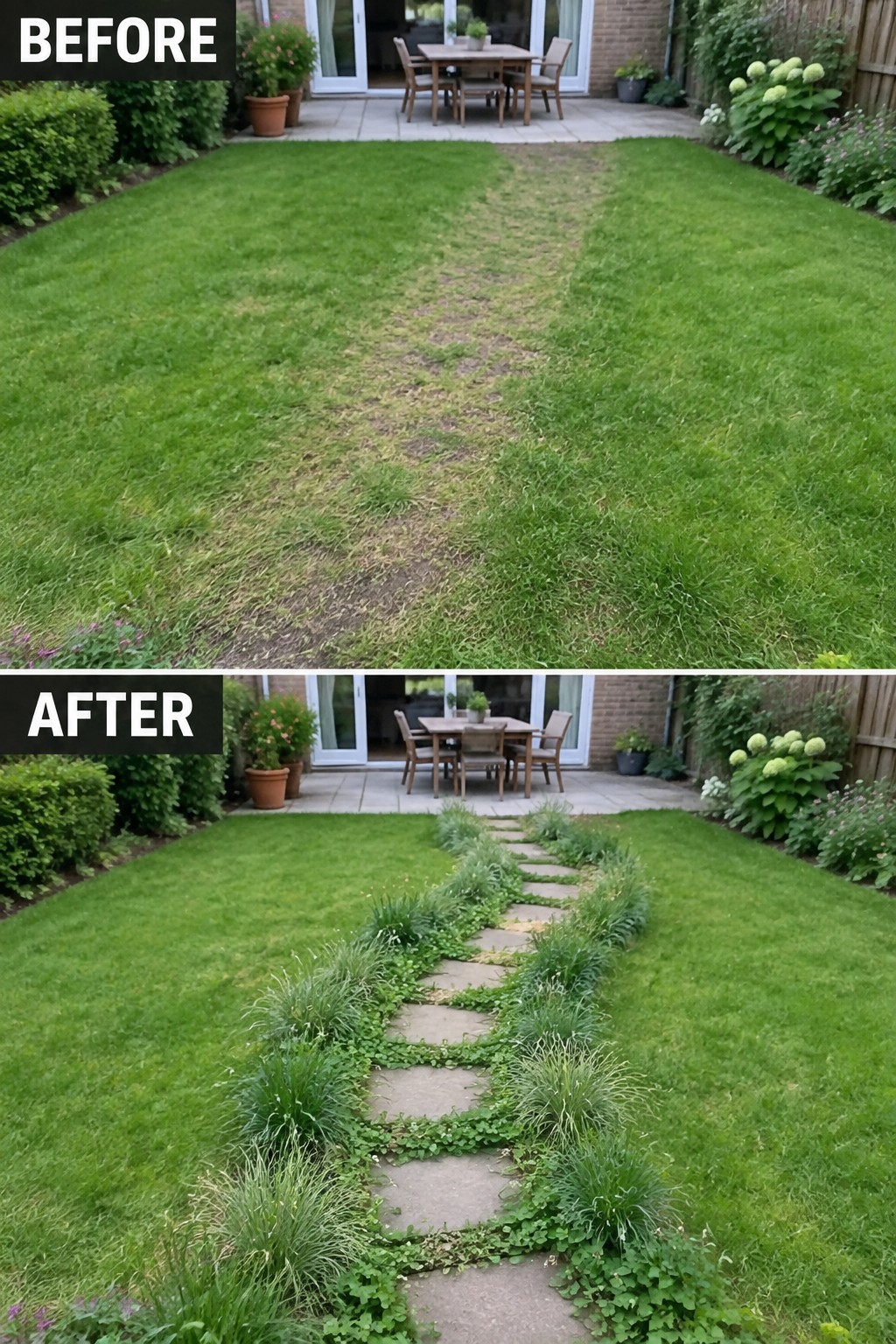
The worn strip running down this lawn made it clear where people actually walked most often. Placing stepping stones along that line and softening the edges with low planting turned a patchy route into a defined walkway that keeps feet off the grass and makes the whole space feel more organized.
This idea suits narrow or rectangular gardens where traffic tends to cut across the middle. Watch how people move through the space first, then add pavers or stones along the natural line. Keep the path narrow enough to leave plenty of lawn on either side so the garden still feels open rather than split in two.
Keep A Narrow Side Passage Open With Wall-Mounted Planters
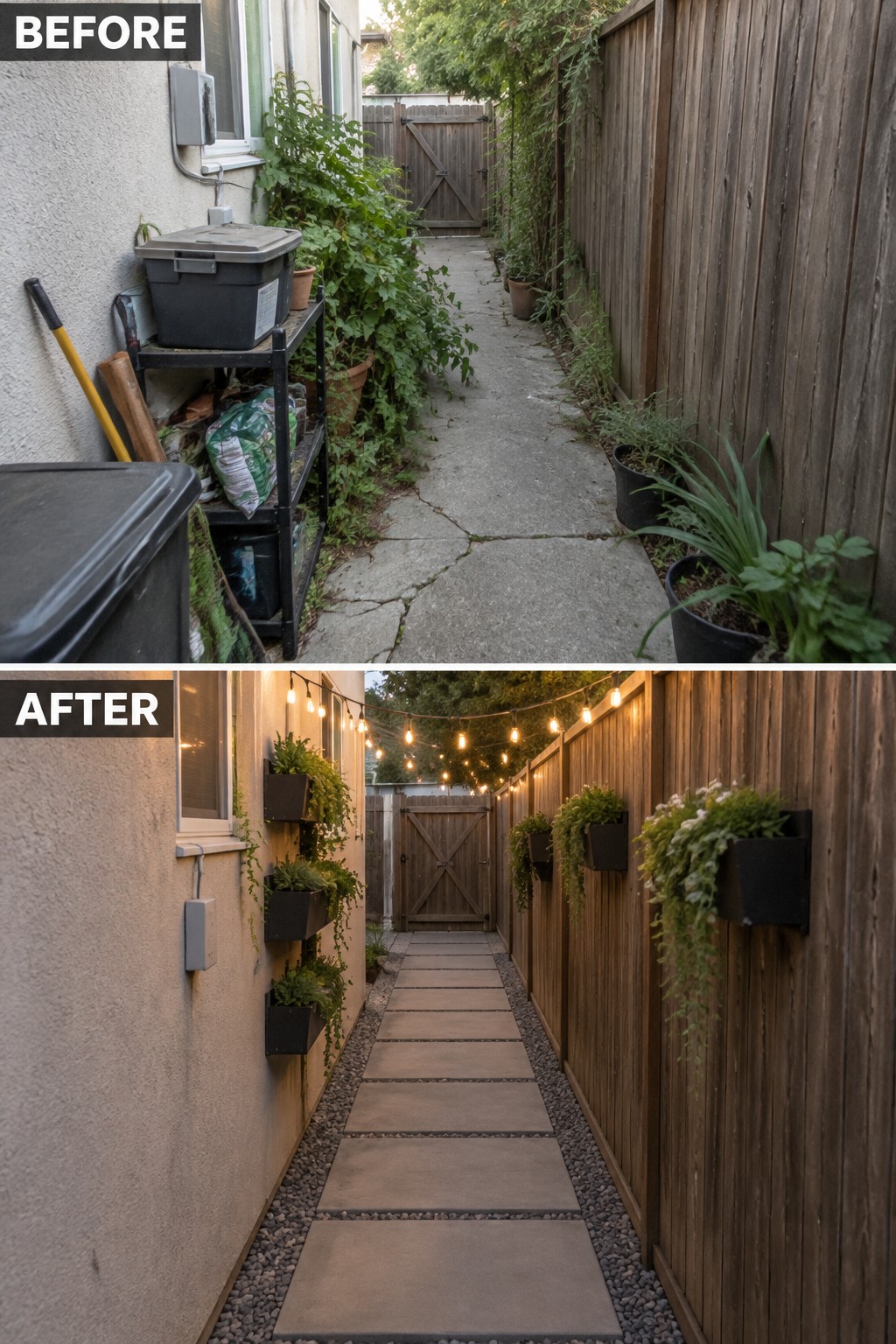
A narrow side yard often ends up as a dumping ground when the path has no clear shape. The old cracked concrete and scattered items made walking through feel tight and awkward. Switching to large pavers set in gravel gave the walkway firm edges and opened up the space for easier movement.
This layout works best in tight passages where floor space is limited. Mount planters on the walls instead of placing items on the ground, and keep the path itself free of obstacles. The same idea helps any small garden stay usable without feeling crowded.
Frequently Asked Questions
Q: How wide do paths need to be if two people want to walk side by side?
A: Aim for at least three feet across in the main routes. That lets folks pass without brushing plants or each other.
Q: My plants keep spilling onto the walkway. How do I fix that fast?
A: Trim them back to leave a clear edge along the path. Then add a low border like bricks to hold everything in place.
Q: Where should I put a small table without messing up the flow?
A: Set it against a wall or fence. The open space stays free for walking through.
