

Ever wondered why some plants thrive together while others seem to clash? Have you found yourself puzzled by which companions can bring out the best in your green beans? Picture this: a garden where each plant not only survives but thrives, thanks to the company it keeps. In this article, you’ll uncover the secrets of companion planting for green beans and how it can transform your garden into a harmonious haven. Discover the hidden power of planting the right companions alongside your green beans and watch your garden flourish like never before.
Benefits of Companion Planting
When it comes to companion planting for your green beans, the advantages are plentiful. Here are some key benefits to consider:
- Pest Control: Certain companion plants can help repel pests that would otherwise harm your green beans, creating a more balanced ecosystem in your garden.
- Pollination: Some companion plants attract beneficial insects that aid in pollination, leading to better yield for your green beans.
- Nutrient Enhancement: By choosing the right companions, you can create a bio-diverse environment that improves soil quality and nutrient uptake for your green beans.
- Space Optimization: Companion planting allows you to maximize space in your garden by pairing plants that complement each other’s growth patterns and needs.
By leveraging the benefits of companion planting, you can create a thriving garden where your green beans and their companions support each other in a natural and harmonious way.
Factors to Consider When Choosing Companion Plants
When selecting companion plants for your green beans, there are several factors to keep in mind. Here’s what you should consider:
- Complementing Needs: Choose plants that have similar sunlight and watering requirements to ensure they thrive together.
- Pest Control: Opt for companions that naturally repel pests harmful to green beans, such as marigolds that deter nematodes.
- Pollination: Select plants that attract beneficial insects like bees, aiding in the pollination of your green bean flowers.
- Nutrient Enhancement: Some companions like legumes can help replenish the soil with nitrogen, benefiting the growth of green beans.
- Space Optimization: Look for plants that can make the most of your garden space, such as vertical growers that won’t overshadow your green beans.
Remember, the right combination of companion plants can create a harmonious ecosystem in your garden, promoting the health and vitality of your green beans.
Recommended Products
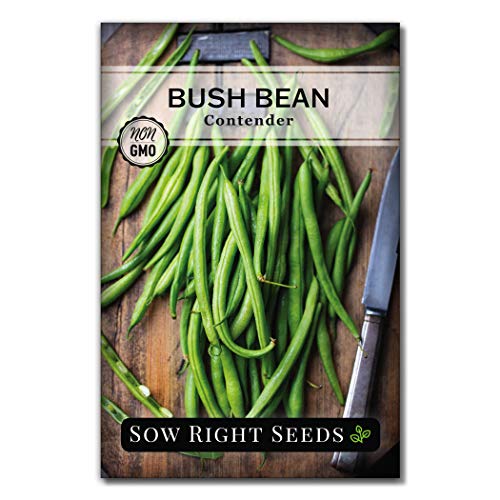
Beautiful - Large premium seed packet of Contender Bush Bean (Phaseolus vulgaris) seeds. Minimum of 16.5g per packet (about 30 seeds). Stringless bush bean that matures early and produces high yields. Adaptable, performing well in short, cool growing seasons or in hot weather. Beans are 5-8" long and retain their flavor when frozen or canned.

THE ULTIMATE GARDEN CONTENDER: Why is it called "Contender"? Because it’s a top-tier candidate for the #1 spot in your garden. This award-winning bush bean delivers early, heavy yields in just 50 days, outperforming other varieties in speed and reliability.
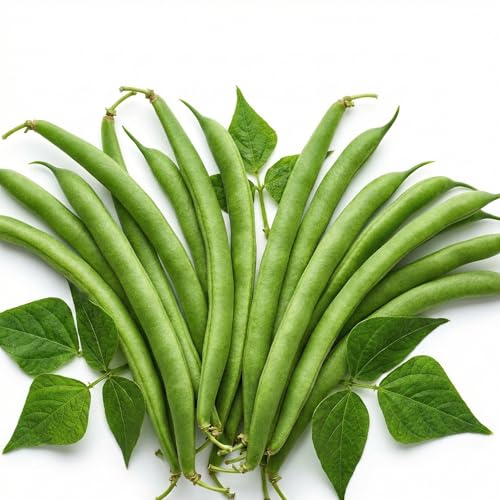
Dependable bush snap bean, Provider green bean (Phaseolus vulgaris); open-pollinated heirloom (released 1966); valued for cooler spring weather performance vs many beans; tender pods for fresh eating, freezing, and canning
Companion Plants for Green Beans
When selecting companion plants for your green beans, it’s essential to consider options that can enhance growth and protect against pests. Here are some great choices to accompany your green beans in the garden:
- Marigolds: These colorful flowers not only add beauty but also act as natural pest repellents, keeping away insects that could harm your green beans.
- Nasturtiums: Another excellent companion, nasturtiums can help deter aphids and squash bugs that might target your green beans.
- Radishes: Planting radishes near green beans can help deter beetles and other pests while also improving soil quality.
- Carrots: Carrots are fantastic companions that can help with nutrient exchange in the soil, benefitting both crops.
By strategically selecting companion plants that cater to the needs of green beans, you can create a mutually beneficial environment that promotes the overall health and productivity of your garden.
Recommended Products

🧑🌾 Jade Bush Bean Seeds – A classic bush-type snap bean that grows compactly without the need for trellising. Plants produce straight, deep green pods with a clean snap and tender texture, making them a dependable choice for fresh picking and kitchen use throughout the summer season.

High Germination Rate: Heirloom seeds sprout in 5–10 days. Ideal greenbeans for USDA zones 3–11, gardens, raised beds, and containers. Blue lake bush bean seeds have been known in the canning industry for years because of its reliability, huge yields and disease resistance.

Vigna unguiculata - Non-GMO, Heirloom, Untreated, Open-Pollinated, Always Fres
Planting Techniques for Green Beans with Companions
When planting green beans with companions, it’s essential to consider the compatibility of the plants.
Here are some planting techniques to help you maximize the benefits of companion planting in your garden:
- Interplanting: Grow plants like marigolds and nasturtiums alongside your green beans to naturally deter pests.
- Trellising: Provide suitable support for your green beans and their companions to optimize space and sunlight exposure in your garden.
- Successional Planting: Plant different companion plants at staggered intervals to ensure a continuous supply of benefits throughout the growing season.
- Mulching: Use mulch around your green beans and their companions to retain moisture, suppress weeds, and improve soil health.
By implementing these planting techniques, you can create a vibrant and thriving garden environment that supports the growth of your green beans and their beneficial companions.
Recommended Products
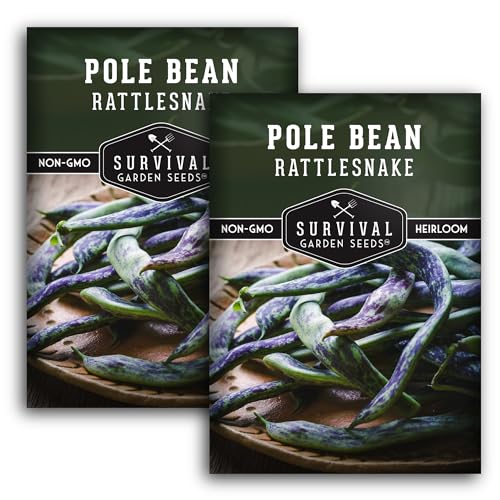
HEAT TOLERANT PERFORMANCE - Rattlesnake pole bean seeds (Phaseolus vulgaris) thrive in hot, humid conditions and continue producing through summer heat, making them a reliable choice for Southern climates and challenging growing conditions

PACK CONTENTS: Includes 50 Green Bush Bean seeds in one labeled packet for count-based sale. The labeled packet supports straightforward count-based storage and garden planning before sowing.
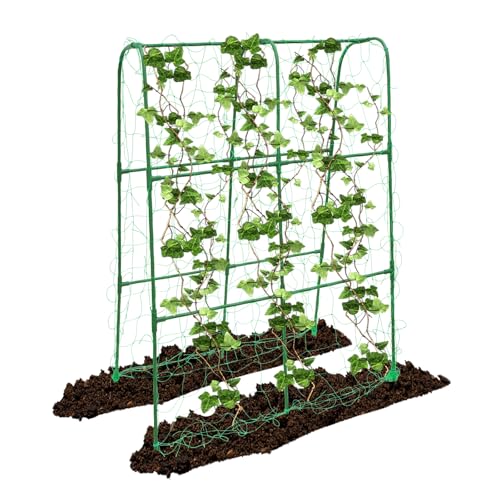
U frame Vegetable Trellis -- Dimensions (W x H):80 x 120cm / 31.5 x 47.5inches, nylon garden netting included
Maintaining a Healthy Garden Ecosystem
To maintain a healthy garden ecosystem for your green beans and their companion plants, here are some key steps to follow:
- Crop Rotation: Rotate your crops yearly to prevent nutrient depletion and reduce the risk of pests and diseases.
- Compost: Regularly add compost to your garden beds to enrich the soil with essential nutrients for healthy plant growth.
- Beneficial Insects: Attract beneficial insects like ladybugs and lacewings to help control pest populations naturally.
- Avoid Chemicals: Minimize the use of chemical pesticides and fertilizers to create a more sustainable and eco-friendly garden environment.
- Watering: Ensure your plants receive adequate water, especially during hot and dry periods, to support their growth and development.
Remember, by maintaining a healthy garden ecosystem, you can create a thriving and sustainable environment for your green beans and their companion plants.
Conclusion
By implementing these strategies in your garden, you can foster a harmonious environment that benefits both green beans and their companion plants. Remember to prioritize crop rotation, enrich your soil with compost, invite beneficial insects, steer clear of chemical pesticides and fertilizers, and maintain proper watering practices. Your efforts will not only promote healthy plant growth but also contribute to a sustainable and thriving garden ecosystem. Happy gardening!
Frequently Asked Questions
How important is crop rotation in maintaining a healthy garden ecosystem?
Crop rotation is crucial as it helps prevent soil depletion and reduces pest and disease issues by disrupting their lifecycle.
Why is adding compost important for soil enrichment?
Compost adds essential nutrients to the soil, improves its structure, enhances water retention, and promotes beneficial microbial activity.
How do beneficial insects help in natural pest control?
Beneficial insects prey on harmful pests, helping to maintain a balance in the garden ecosystem and reducing the need for chemical pesticides.
Why should gardeners avoid chemical pesticides and fertilizers?
Chemical pesticides and fertilizers can harm beneficial organisms, disrupt the ecosystem balance, and have long-term negative effects on soil health.
What is the significance of proper watering in garden maintenance?
Proper watering ensures that plants receive adequate moisture, promoting healthy growth and reducing the risk of diseases caused by overwatering or underwatering.
