

Companion Plants for Cucumbers
When choosing Companion Plants for Cucumbers, look for ones that offer mutual benefits. Some plants attract beneficial insects while others repel pests, creating a harmonious environment for your cucumbers to thrive. Here are some companion plants to consider planting alongside your cucumbers:
- Marigolds: These vibrant flowers deter pests like nematodes while attracting beneficial insects like ladybugs and bees.
- Nasturtiums: Known for their peppery leaves and vibrant flowers, nasturtiums help repel aphids, cucumber beetles, and whiteflies.
- Radishes: Planting radishes among your cucumbers can help deter cucumber beetles and rust flies, protecting your cucumber plants.
- Dill: Dill attracts predatory insects that feed on cucumber beetles and aphids, making it an excellent companion for cucumbers.
Creating a diverse planting environment with companion plants can enhance the health and yield of your cucumber plants. Try interplanting these companions to see the benefits firsthand.
Recommended Products

Variety: Jewel Mixed Nasturtium, scientifically known as Tropaeolum nanum, is a compact variety of nasturtium, ideal for small gardens, containers, or borders.

Jewel Mix Nasturtium (Tropaeolum majus): Non-GMO heirloom dwarf yields 12-18" bushy plants with 2-3" double blooms in red, orange, yellow, gold; pollinator-attracting, pest-repelling, edible throughout; suits gardens or containers in 54-63 days.

Beautiful - Large premium packet of Crackerjack African Marigold (Tagetes erecta) seeds. Large bushy plant with a lively burst of gold and orange hues. Marigolds grow quickly from seed and bloom continuously summer through fall. This versatile flower also makes a great companion plant in your vegetable garden to repel pests. Enjoy outdoors in the garden or indoors as a cut flower. Minimum 750 mg (about 350 seeds).
Beneficial Herbs to Plant with Cucumbers
When selecting herbs to plant alongside your cucumbers, opt for varieties that can enhance the growth and health of your cucumber plants. Here are some beneficial herbs to consider:
- Basil: Planting basil near cucumbers can repel pests like aphids, thrips, and spider mites.
- Chives: Chives can attract beneficial insects that prey on cucumber pests, helping to maintain a natural balance in your garden.
- Mint: The strong scent of mint can help deter pests like ants and aphids from your cucumber plants.
- Parsley: Parsley not only adds flavor to your dishes but can also act as a host plant for insects that feed on cucumber pests.
By incorporating these herbs into your cucumber garden, you not only create a flavorful and diverse environment but also promote the overall well-being of your plants.
Recommended Products

Beautiful - Full color seed packet of Borage (Borago Officinalis) herb seeds. Attractive, easy to grow herb is a useful addition to any kitchen. Blue, star-shaped flowers and hairy leaves have a mild cucumber flavor and serve as a tasty garnish for salads. Excellent companion plant to strawberries, squash, and tomatoes. Minimum of 1g per packet (about 50 seeds).
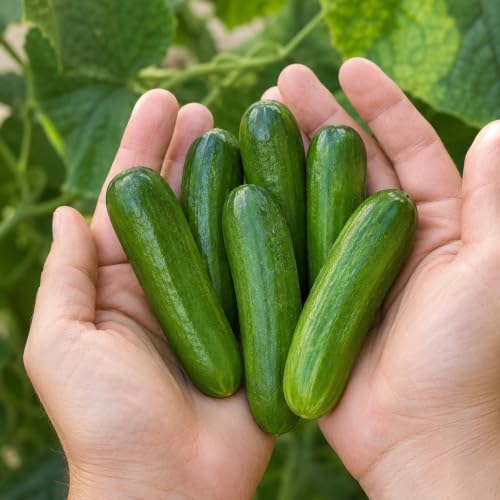
COMPACT & SPACE-SAVING VARIETY: Mini-Me cucumbers are bred for smaller gardens, containers, and raised beds without sacrificing productivity. Enjoy fresh vegetables even if you have limited outdoor space.
Plants to Avoid Near Cucumbers
When planting your cucumber garden, it’s crucial to consider plants that may hinder the growth or health of your cucumbers. Here are some plants to avoid planting near your cucumber patch:
- Potatoes: Compete for nutrients in the soil.
- Strongly aromatic herbs: Can affect the flavor of cucumbers.
- Amaranth: May attract pests that can harm cucumbers.
- Melons and other cucurbits: Risk of spreading diseases that affect cucumbers.
Avoiding these plants near your cucumber plants can help maintain the vitality and productivity of your cucumber garden.
Recommended Products

Heirloom, early-maturing favorite: Heirloom favorite boston cucumber seeds mature in 55-60 days, producing sweet, crunchy 2-6 inch picklers on vigorous vines with high yields for your vegetable garden and home garden seed collection.

High-yield heirloom: straight eight cucumber plants produce 8 inch fruits with seeds, ideal for slicing or pickling, turning cucumbers fresh produce into a favorite highlight in your vegetable garden.

The Straight Eight Cucumber receives its name by being best harvested when it reaches 8 inches long
Caring for Cucumber Companion Plants
Planting cucumbers alongside beneficial herbs can help improve growth and ward off pests. To ensure these companion plants thrive and support your cucumbers effectively, follow these simple care tips:
- Regular Watering: Keep the soil consistently moist to support healthy growth and development.
- Mulching: Apply a layer of organic mulch to retain moisture, regulate soil temperature, and suppress weed growth.
- Pruning: Trim herbs like basil and mint to prevent overcrowding and promote air circulation around plants.
- Fertilizing: Consider adding a balanced fertilizer to provide essential nutrients for both cucumbers and companion herbs.
By taking these steps, you can create an optimal environment for your cucumber companion plants to flourish and benefit your garden.
Conclusion
Keep in mind the essential care tips mentioned for your cucumber companion plants. Regular watering, mulching, pruning, and fertilizing are key to ensuring their health and keeping pests at bay. Providing the right environment will help your companion plants thrive alongside your cucumbers, enhancing the overall well-being of your garden. Happy planting!
Frequently Asked Questions
Are regular watering and mulching important for cucumber companion plants?
Yes, regular watering and mulching are crucial for cucumber companion plants. Watering ensures proper hydration, while mulching helps retain moisture, suppresses weeds, and maintains soil temperature.
How does pruning benefit cucumber companion plants?
Pruning is essential for cucumber companion plants to remove diseased or damaged parts, improve air circulation, and enhance sunlight exposure, promoting healthier growth and higher yields.
Why is fertilizing necessary for cucumber companion plants?
Fertilizing provides cucumber companion plants with essential nutrients for robust growth, strong root development, and increased resistance to diseases and pests, ensuring optimal health and productivity.
