

Ever wondered if you can grow green beans in a permaculture garden? Picture this: a sustainable oasis where your green beans thrive effortlessly, adding a touch of freshness to your meals.
In this article, you’ll discover the magic of growing green beans in a permaculture garden. From enriching the soil to fostering biodiversity, you’ll uncover the secrets to a bountiful harvest that not only benefits you but also the environment.
Get ready to delve into the world of permaculture gardening and unlock the potential of your green bean patch. It’s time to sow the seeds of sustainability and reap the rewards of a flourishing garden.
Benefits of Growing Green Beans in a Permaculture Garden
- Boosts Soil Fertility: Green beans fix nitrogen in the soil, enhancing soil health.
- Promotes Biodiversity: Interplanting green beans attract beneficial insects, supporting a thriving ecosystem.
- Saves Water: Green beans have deep roots, reducing the need for frequent watering.
- Nutrient-Rich Harvest: Enjoy a bountiful supply of vitamin-rich green beans straight from your garden.
- Reduces Food Miles: Harvesting your green beans at home reduces carbon footprint and supports sustainability.
| Benefit | Description |
|---|---|
| Boosts Soil Fertility | Green beans fix nitrogen in the soil, benefiting future plant growth. |
| Promotes Biodiversity | The diverse plant life in a permaculture garden supports local ecosystems. |
| Saves Water | With deep roots, green beans require less water than other crops. |
| Nutrient-Rich Harvest | Freshly picked green beans are packed with essential vitamins and minerals. |
| Reduces Food Miles | Growing your green beans at home reduces transportation emissions. |
Creating the Ideal Soil Conditions
When growing green beans in a permaculture garden, soil health plays a crucial role in their success. Here are key steps to create optimal soil conditions:
- Start by testing your soil pH to ensure it falls between 6.0 to 7.0, ideal for green beans.
- Work on improving soil structure by adding organic matter like compost or well-rotted manure.
- Avoid compacting the soil by limiting walking on growing areas.
- Ensure adequate drainage by amending the soil with perlite or coarse sand.
- Mulch around your green bean plants to conserve moisture and protect the soil.
Remember, healthy soil contributes to vigorous growth and abundant harvests of nutrient-rich green beans in your permaculture garden.
Recommended Products

Quick, at home results for Soil pH, Nitrogen, Phosphorous and Potash Innovative and inexpensive soil test kit features an easy-to-use capsule system and patented color comparators

ACCURATELY MEASURES SOIL PH - Lawns thrive in soil with pH levels between 6.2 and 7.0. Our soil test kit accurately determines soil pH levels in just 10 minutes.

Kindly NOTE: This soil tester can not be applied to test pH value of any other liquid. If the soil is too dry the indicator will not move, and water it before testing.
Companion Planting with Green Beans
When considering companion planting with green beans in your permaculture garden, it’s essential to choose companions that can benefit each other.
Here are some beneficial companion planting partners for green beans:
- Corn: Provides support for climbing beans and shades the soil, helping to retain moisture.
- Carrots: Root vegetables like carrots help loosen the soil, making it easier for green bean roots to grow.
- Radishes: Planting radishes near green beans can deter pests like bean beetles.
- Beets: Beets and green beans have different root depths, allowing them to coexist harmoniously.
Avoid planting green beans near members of the onion family, such as onions and garlic, as they can inhibit green bean growth.
Integrating companion plants with green beans can enhance biodiversity, improve soil health, and promote overall garden growth in your permaculture setting.
Recommended Products
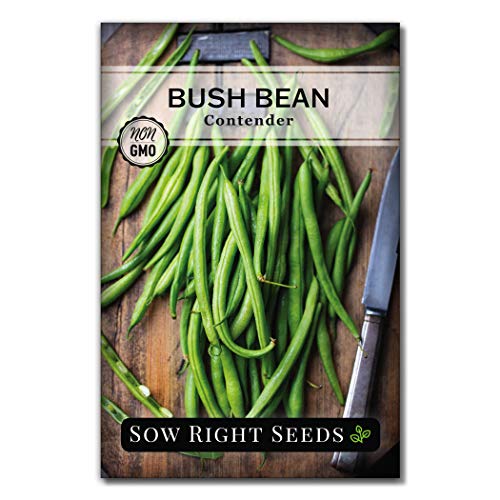
Beautiful - Large premium seed packet of Contender Bush Bean (Phaseolus vulgaris) seeds. Minimum of 16.5g per packet (about 30 seeds). Stringless bush bean that matures early and produces high yields. Adaptable, performing well in short, cool growing seasons or in hot weather. Beans are 5-8" long and retain their flavor when frozen or canned.

High Germination Rate: Heirloom seeds sprout in 5–10 days. Ideal greenbeans for USDA zones 3–11, gardens, raised beds, and containers. Blue lake bush bean seeds have been known in the canning industry for years because of its reliability, huge yields and disease resistance.

🧑🌾 Jade Bush Bean Seeds – A classic bush-type snap bean that grows compactly without the need for trellising. Plants produce straight, deep green pods with a clean snap and tender texture, making them a dependable choice for fresh picking and kitchen use throughout the summer season.
Managing Pests and Diseases Naturally
To protect your green beans in a permaculture garden, companion planting can help deter pests and boost resilience against diseases. Here are some eco-friendly strategies to manage potential threats:
- Beneficial Insects: Attract ladybugs, lacewings, and parasitic wasps to control harmful insects like aphids and caterpillars.
- Companion Plants: Interplant green beans with marigolds to repel nematodes and harmful insects.
- Crop Rotation: Rotate bean crops annually to prevent the buildup of pests and diseases in the soil.
- Mulching: Apply organic mulch around green bean plants to deter pests and maintain moisture levels.
By incorporating these natural pest management techniques, you can cultivate healthy green beans while promoting a harmonious ecosystem in your permaculture garden.
Recommended Products


USE YEAR ROUND - Our 3-in-1 product provides year-round protection against insects, mites, and diseases. Can be used at the dormant stage, green tip stage, delayed dormant stage, and during the growing season to prevent pest infestations and disease.

Harvesting and Maintaining Green Beans
When harvesting green beans, remember to:
- Pick them regularly to encourage more production.
- Harvest beans when they are firm and reach the desired length.
To maintain your green beans:
- Water consistently, aiming for about 1 inch per week.
- Mulch around plants to conserve moisture and reduce weed competition.
- Inspect plants regularly for any signs of pests or diseases.
Remember, taking these steps will help you enjoy a bountiful green bean harvest in your permaculture garden.
Conclusion
Growing green beans in a permaculture garden can be a rewarding experience. By implementing proper harvesting techniques and maintenance practices, you can enjoy a bountiful harvest of fresh, delicious green beans. Remember to pick your beans regularly, maintain consistent watering, and keep an eye out for any pests or diseases. With these simple steps, you’ll be on your way to a successful green bean harvest in your permaculture garden. Happy gardening!
Frequently Asked Questions
When should green beans be harvested in a permaculture garden?
Green beans should be harvested when they are firm and reach the desired length, typically around 4 to 6 inches long.
How often should green beans be picked in a permaculture garden?
It is advisable to pick green beans regularly, preferably every 2 to 3 days, to stimulate more production and prevent overripening.
What are the recommended maintenance practices for green beans in a permaculture garden?
Maintain green beans by watering consistently with about 1 inch of water per week, mulching for moisture retention and weed suppression, and inspecting plants regularly for pests and diseases.
How can gardeners ensure a successful green bean harvest in their permaculture garden?
Following proper harvesting and maintenance practices, such as regular picking, adequate watering, mulching, and pest management, ensures a successful and abundant green bean harvest.
