

Do you ever find yourself with an abundance of fresh green beans and wonder how to make them last longer? Picture this: you come home with a big haul of crisp green beans, but you know they won’t stay fresh for long. What if you could enjoy that garden-fresh taste even months down the line? In this article, you’ll discover the best methods for preserving green beans so you can savor their flavor all year round. Whether you’re a gardening enthusiast or just looking to save some money at the grocery store, these preservation techniques will be your saving grace. Ready to unlock the secrets to keeping your green beans fresh and delicious?
Blanching green beans
When Blanching green beans, you’re essentially giving them a quick hot bath before freezing. Here’s how to do it:
- Boil a pot of water
- Prepare a bowl of ice water
- Trim the ends of the green beans
- Drop them into the boiling water for a couple of minutes
- Quickly transfer them to the ice water to stop the cooking process
Blanching helps preserve the color, texture, and nutrients of green beans. It also kills bacteria that could cause spoilage.
Freezing green beans
Preserving green beans by freezing them is a simple and convenient method to enjoy their freshness long after the harvest season. Here are some steps to freeze green beans effectively:
- Step 1: Start by trimming the ends off the green beans.
- Step 2: Cut them into your desired size or leave them whole, depending on your preference.
- Step 3: Blanch the green beans by boiling them for a brief period, then cooling them quickly in ice water. This process helps retain their color and texture.
- Step 4: Pat them dry to remove excess moisture.
- Step 5: Place the green beans in an airtight container or freezer bag, ensuring to remove as much air as possible.
- Step 6: Label the container with the date to keep track of freshness.
When properly frozen, green beans can last up to 12 months without compromising their quality. This method allows you to enjoy green beans at their peak even when they’re not in season.
Remember, freezing green beans is a great way to preserve their delicious taste while locking in essential nutrients for your meals all year round.
Canning green beans
Canning green beans is another popular method for preserving them for long-term storage. This process involves using a pressure canner to seal green beans in jars, ensuring they stay fresh and flavorful over time.
Here are some key steps to canning green beans:
- Wash green beans thoroughly and trim the ends.
- Pack the beans into sterilized jars, leaving some space at the top.
- Add boiling water and salt to the jars, ensuring all beans are covered.
- Close the jars with lids and rings, but not too tightly.
- Process the jars in a pressure canner according to the manufacturer’s instructions.
Benefits of canning green beans:
- Extended shelf life: Canned green beans can last for 1-2 years when stored properly.
- Convenient storage: Jars of canned green beans are easy to stack and store in a cool, dark place.
- Ready-to-eat: Canned green beans are pre-cooked and only require heating before serving.
- Follow tested recipes to ensure safety and quality.
- Use jars specifically designed for canning.
- Check jars for any signs of spoilage before consuming the contents.
Canning green beans allows you to enjoy this nutritious vegetable all year round, whether as a side dish or a key ingredient in your favorite recipes.
Recommended Products
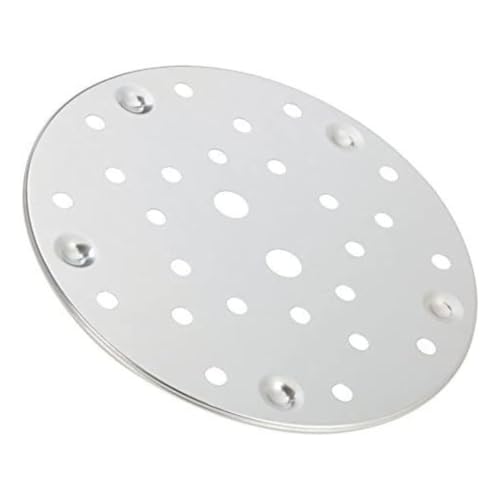
DURABLE MATERIALS: Crafted from strong steel with a metallic finish, this canning rack pressure cooker accessory is built for long-lasting use in your kitchen canning equipment setup.

PRESTO DIGITAL CANNER FOR EASY HOME CANNING: The first digital canner that automates both pressure canning and water bath canning, making it safe and simple to preserve your favorite foods right in your kitchen

Durable Aluminum Construction: Discover the power of our pressure canner, designed to provide a long-lasting and reliable performance, even heating, and easy maintenance, making it the perfect tool to master the art of home canning
Pickling green beans
Preserving green beans through pickling is another fantastic way to enjoy them for an extended period.
Some benefits of pickling green beans include:
- Adding a tangy flavor to the beans
- Preserving their crunchiness
- Creating a versatile ingredient for various dishes
To pickle green beans:
- Prepare the green beans: Wash and trim off the ends.
- Prepare the brine: Combine vinegar, water, salt, and spices in a saucepan and heat until the salt dissolves.
- Pack the green beans: Place the beans in clean jars and add garlic, dill, or other preferred spices.
- Pour the brine: Fill the jars with the hot brine, leaving some headspace.
- Seal the jars: Close the jars with lids and rings.
- Store and wait: Allow the jars to cool before refrigerating them for at least a week for the best flavor.
Pickled green beans can last for around 1 year in the refrigerator, providing a zesty twist to your meals.
Dehydrating green beans
Preserving green beans by dehydrating them is a fantastic method that allows you to enjoy this nutritious vegetable for an extended period.
Here’s how to dehydrate green beans in a few simple steps:
- Wash and trim your green beans, removing any imperfections.
- Blanch the beans by quickly boiling them in water for a few minutes, then cooling them in ice water.
- Dry the blanched green beans thoroughly using a towel or paper towels.
- Arrange the green beans in a single layer on dehydrator trays, leaving space between each bean for proper air circulation.
- Set the dehydrator to 140°F (60°C) and dry the beans until they are brittle, typically for about 10-12 hours.
Once your green beans are dehydrated, store them in airtight containers in a cool, dark place. When you’re ready to use them, rehydrate by soaking the beans in water for a few hours before cooking.
Conclusion
Preserving green beans is a rewarding way to enjoy their freshness for an extended period. Whether you choose to pickle, can, or dehydrate them, each method offers a unique way to savor the flavors of this nutritious vegetable. Experiment with different preservation techniques to find the one that suits your taste preferences best. With a little effort and the right approach, you can ensure that you have delicious green beans on hand whenever you crave them. So, get creative in your preservation methods and enjoy the benefits of having green beans readily available in your kitchen year-round.
Frequently Asked Questions
How can I preserve green beans long-term?
To preserve green beans long-term, consider dehydrating them. This involves blanching, drying thoroughly, arranging on dehydrator trays, and drying until brittle. Store the dehydrated beans in airtight containers and rehydrate by soaking in water before use.
What is the process of dehydrating green beans?
The process of dehydrating green beans includes blanching to retain color and nutrients, thorough drying to remove moisture, arranging on trays, and drying until brittle in a dehydrator. Once dehydrated, store them in airtight containers for long-term preservation.
How do I rehydrate dehydrated green beans?
To rehydrate dehydrated green beans, soak them in water for a few hours or overnight until plump and tender before using them in recipes. This process helps to restore the beans to their original texture and flavor.
