

Ever wondered if you can mix bush and pole green beans in your garden for a bountiful harvest? Picture this: you’re eager to grow your own green beans, but you’re not sure if planting them together is the way to go. What if I told you that combining these two varieties could be the secret to maximizing your garden space and yield?
Imagine the convenience of having both bush and pole green beans thriving harmoniously in your garden. In this article, you’ll discover the benefits of growing these beans together and how it can elevate your gardening game. From saving space to boosting productivity, this gardening hack might just be the key to a successful green bean harvest.
Get ready to unlock the potential of your garden by exploring the possibilities of growing bush and pole green beans side by side. Let’s dive into the world of green bean cultivation and unleash the full potential of your garden space.
Benefits of Growing Bush and Pole Green Beans Together
- Increased Yield: Planting both bush and pole green beans together allows you to harvest more beans from a limited garden space.
- Continuous Harvest: With this strategy, you can extend your green bean harvest period as bush beans usually mature quickly, followed by pole beans which produce for a longer period.
- Space Efficiency: By combining these varieties, you can maximize vertical growth for pole beans while filling out the lower area with bush beans, utilizing space more efficiently.
- Soil Health: The complementary root systems of bush and pole beans can improve soil structure and nutrient uptake, benefiting the overall health of your garden.
- Pest Control: Mixing these varieties can deter pests by confusing them with the different plant structures and growth habits.
| Key Benefits of Growing Bush and Pole Green Beans Together |
|---|
| Increased Yield |
| Continuous Harvest |
| Space Efficiency |
| Soil Health |
| Pest Control |
Understanding the Differences Between Bush and Pole Green Beans
When growing bush and pole green beans together, it’s crucial to understand the key differences between these two varieties.
- Bush Green Beans:
- Compact: Ideal for small spaces or containers.
- Shorter: Typically grow up to 2 feet tall.
- Early Harvest: Mature quicker, but produce less per plant.
- Pole Green Beans:
- Vining: Require trellises or structures for support.
- Taller: Can reach heights of 6 to 10 feet.
- Continuous Harvest: Produce more over a longer period.
By combining bush and pole green beans, you maximize space efficiency while enjoying a prolonged harvest season.
Understanding these differences helps you plan your garden layout effectively and ensures a bountiful yield.
Remember, combining the two varieties provides the best of both worlds in your green bean garden.
Companion Planting Strategies for Bush and Pole Green Beans
When growing bush and pole green beans together, it’s essential to consider companion planting strategies to maximize their growth and yield. Here are some tips to help you successfully cultivate both types in your garden:
- Interplanting: Alternate rows of bush and pole green beans to make the most of your garden space while avoiding overcrowding.
- Trellising: Provide sturdy trellises for pole green beans to climb, avoiding shade cast on bush varieties.
- Soil Preparation: Make sure to prepare the soil with compost or aged manure before planting to ensure nutrient-rich growing conditions for both types.
- Watering: Monitor soil moisture closely, as green beans are sensitive to drought. Consistent watering is key for healthy plant growth.
- Weed Control: Regular weeding is necessary to prevent competition for nutrients, especially in the early stages of growth.
- Mulching: Apply mulch around plants to retain soil moisture, reduce weed growth, and maintain even soil temperature.
- Crop Rotation: To prevent disease buildup and maintain soil fertility, consider rotating green beans with other crops in subsequent growing seasons.
By implementing these companion planting strategies, you can harvest a bountiful supply of bush and pole green beans while optimizing the space in your garden for maximum yield.
Recommended Products

[Package Contents] You will receive 3 three-layers plant support cages, 3 grow bags and 1 use manual. The tomato cages are composed of 27 straight poles, 27 connecting rods and 18 connecting joints. These three complete sets will help you to train and support the upward growth of the plants.

What You Get: This bean trellis garden set includes a 50 x 54-inch A-frame cucumber trellis, trellis netting, a 46 gallon fabric raised garden bed, plant clips, plant twist ties, zip ties, a pair of garden gloves, and a roll of garden wire. This comprehensive plant trellis set is ideal for all climbing plants needs, offering excellent support for cucumbers, tomatoes, and other climbing vegetables.

【Package included】: This Trellis for Climbing Plants Outdoor comes complete with everything you need to get started: 17pcs metal stakes, 8pcs stainless wire connect pipe, 2 A-shaped connectors, and a 0.9x1.8meter Bird net.
Maximizing Garden Space for a Bountiful Green Bean Harvest
To ensure you make the most of your garden space and achieve a bountiful harvest, here are some key strategies to follow:
- Interplanting is essential for optimizing space and benefiting from the mutual advantages both bush and pole green beans offer. Planting shorter bush beans in between rows of taller pole beans enables efficient use of vertical space.
- Consider companion planting with other vegetables to further maximize your garden’s potential. For example, planting green beans alongside corn or cucumbers can create a symbiotic relationship that benefits the growth of all plants involved.
- Utilize trellises for your pole green beans to encourage vertical growth. This not only saves space but also makes harvesting easier and prevents the plants from overcrowding each other.
- Proper spacing between plants is crucial. Ensure adequate distance between each seed or seedling to prevent competition for nutrients and sunlight, promoting healthy growth for all your green bean plants.
- Implement a mulching system to suppress weeds, retain moisture, and maintain soil temperature. This not only saves time on weeding but also helps in conserving water, promoting healthier plant growth.
- Crop rotation is a fundamental practice in gardening. Rotate your green beans annually to prevent soil depletion and reduce the risk of pests and diseases, ultimately maximizing the output of your garden.
| Fact | Data |
|---|---|
| Spacing between green beans | 4-6 inches |
| Depth to plant green beans | 1-1.5 inches |
| Ideal soil pH for green beans | 6.0-7.0 |
| Recommended mulch thickness | 2-3 inches |
| Green beans rotation cycle | Annual basis |
Recommended Products

【Package included】:Crafted from robust hollow steel, this garden stakes features a fade-resistant green plastic coating, offering reliable protection against wind, rain, and rust. This Trellis for Climbing Plants Outdoor comes complete with everything you need to get started: 17pcs metal stakes, 8pcs T shape connect pipe, 2 A-shaped connectors, and a 0.9x1.8meter bird net.
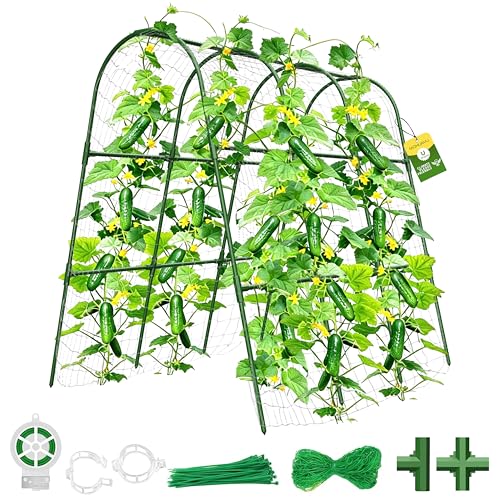
【U-Shape Stability Structure 】 U-frame trellis is more stable than A-frame trellis. Allowing you to plant a row on both sides. The arch design maximizes the garden space.

【Rust-Resistant Material】: Cucumber trellis is constructed with high-quality galvanized steel inner pipes and an exterior plastic coating, forming a dual-layer rust-proof barrier to ensure long-lasting durability
Tips for Cultivating Bush and Pole Green Beans Side by Side
Growing bush and pole green beans together can be a rewarding endeavor in your garden. Here are some tips to help you make the most of this planting strategy:
- Plant Placement:
- Bush green beans should be in front of pole beans to avoid shading.
- Ensure enough sunlight exposure for both types of plants.
- Support:
- Pole beans require trellises or supports to grow optimally.
- Avoid overcrowding to prevent competition for resources.
- Harvesting:
- Continuous harvesting encourages more bean production.
- Regularly pick beans to keep plants productive.
- Maintenance:
- Regular watering is crucial, especially during dry spells.
- Monitor for pests and apply appropriate measures promptly.
| Key Tips for Cultivating Bush and Pole Green Beans Together | |
|---|---|
| Plant Placement | Bush beans in front of pole beans |
| Ensure sufficient sunlight exposure | |
| Support | Use trellises for pole beans |
| Avoid overcrowding | |
| Harvesting | Continuously pick beans for more production |
| Regularly harvest to keep plants productive | |
| Maintenance | Regular watering is crucial |
| Monitor for pests and take action as needed |
Recommended Products

Heavy Duty Metal Trellis, Stability for All Climbing Plants: Crafted with 0.6mm thick stainless steel and a 0.63-inch reinforced center pole, this garden trellis for climbing plants outdoor is built to last. It stands firm through wind and rain, providing season-long support for pole beans, snap peas, tomatoes, cucumbers, and flowering vines like bougainvillea and morning glory.

Bamboo Cane Holder Plastic Plant Cane Support Caps for Climbing Plants

Garden Trellis Size for Raised Beds: This 48" L x 48" H cucumber trellis for raised bed adjusts from 16" to 26" wide, fitting many 4 ft raised garden beds. Use it as a trellis for raised garden bed layouts to save ground space while guiding vines upward.
Conclusion
You now have the knowledge to cultivate bush and pole green beans harmoniously in your garden. By following the tips provided, you can optimize plant placement, utilize trellises effectively, and ensure a bountiful harvest through continuous picking. Remember to keep up with watering and pest control to nurture your green bean plants. With these strategies in place, you’ll be able to enjoy a thriving garden filled with both bush and pole green beans. Happy gardening!
Frequently Asked Questions
Can bush and pole green beans be grown together in the garden?
Yes, bush and pole green beans can be grown together in the garden by ensuring proper plant placement to prevent shading, using trellises for pole beans, and practicing continuous harvesting for improved production.
What are the key points to remember when cultivating both types of green beans?
Key points to remember include optimizing plant placement to prevent shading, providing trellises for pole beans, implementing continuous harvesting for increased production, and maintaining regular watering and pest monitoring for healthy plants.
