

Understanding Fungal Diseases in Green Beans
Fungal diseases in green beans can be a common challenge for gardeners. Identifying these diseases early is crucial for effective treatment.
Types of Fungal Diseases
- Anthracnose: Causes dark lesions on leaves and pods.
- Powdery Mildew: Appears as white powdery spots on leaves.
- Downy Mildew: Leads to yellowing and mold growth on the undersides of leaves.
Prevention Tips
- Rotate crops yearly to prevent disease buildup.
- Water at soil level to reduce leaf wetness.
- Remove and destroy infected plant parts promptly.
Treatment Options
- Apply fungicides labeled for green beans.
- Prune affected areas to increase airflow.
- Use organic solutions like neem oil or baking soda mixtures.
A Closer Look
- Early detection is key to preventing fungal spread.
- Maintain proper spacing between plants for ventilation.
Quick Tips
- Inspect plants regularly for signs of disease.
- Avoid overhead watering to minimize moisture on leaves.
Remember:
Prevention Measures to Protect Green Beans
When it comes to safeguarding your green beans from fungal diseases, prevention is key. Here are some effective measures you can take to protect your beloved plants:
- Crop Rotation: Rotate your crops annually to reduce the buildup of pathogens in the soil.
- Proper Spacing: Ensure adequate spacing between plants for proper ventilation, reducing humidity levels that promote fungal growth.
- Mulching: Mulch around plants to prevent soil splashing, which can spread fungal spores.
- Drip Irrigation: Use drip irrigation instead of overhead watering to minimize moisture on the leaves.
- Healthy Soil: Maintain healthy soil rich in organic matter to support plant health and resilience.
By following these preventive actions, you can significantly decrease the risk of fungal diseases in your green bean plants.
Recommended Products

✔Comprehensive Drip Irrigation Kit:MIXC drip irrigation system, equipped with a versatile range of components, caters to all your garden watering needs.Includes essential parts such as 197ft 1/4'' irrigation tube, 33ft 1/2'' irrigation tube, 1/2‘’ Lock Barbed Tee connectors, drip emitter streams, vortex emitters, Blue Mist Nozzles, Quick connection tees, Faucet Connector, and more.

NO MORE HARD INSTALLATION - SET UP IN MINUTES. Tired of struggling with stiff barbed fittings? This drip irrigation system features quick-connect fittings that let you push, lock, and secure tubing effortlessly. No tools, no leaks, just a smooth setup experience. Enjoy a frustration-free installation and get your garden watering system running in minutes.

Everything in One Box – Everything included: 100FT 1/4" tubing, 24 nozzles, connectors, stakes, ties & end caps. Covers small/medium gardens effortlessly
Identifying Fungal Infections in Green Beans
Spotting signs of fungal infections early is crucial for successful treatment. Here’s how you can identify fungal diseases in your green bean plants:
- Powdery Mildew: Look for white powdery spots on leaves, which can spread rapidly.
- Anthracnose: Watch out for dark, sunken lesions on pods and stems.
- Downy Mildew: Identify by fuzzy, grayish patches on the undersides of leaves.
- Rust: Check for orange-brown spots on leaves and stems.
To ensure effective treatment, early detection is key. Keep a close eye on your green beans for any unusual signs that may indicate a fungal infection.
Treating Fungal Diseases in Green Beans
When it comes to treating fungal diseases in green beans, early intervention is key. Here are some practical strategies you can use:
- Remove affected plant parts: Prune and discard any infected leaves, pods, or stems to prevent the spread of the fungus.
- Improve air circulation: Ensure your green bean plants have proper airflow to reduce humidity levels, creating an unfavorable environment for fungal growth.
- Water at the base: Avoid overhead watering to prevent splashing of soil onto the plants, which can spread fungal spores.
- Apply fungicides: Use organic or chemical fungicides following manufacturer’s instructions to combat fungal infections effectively.
Remember, vigilance is crucial. Regularly inspect your green bean plants for any signs of fungal diseases and take prompt action to prevent further damage.
Recommended Products

Control fungus and disease in your garden with Captain Jack’s Liquid Copper Fungicide Concentrate!
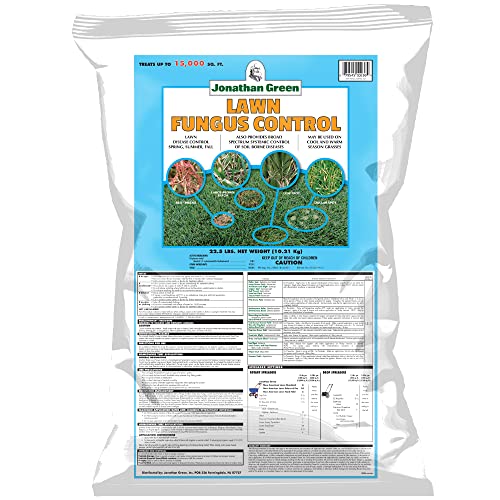
CONTROLS OVER 20 SOIL BORNE DISEASES - Our lawn fungicide is a broad spectrum granular fungicide that combats turf diseases. It controls brown patch, leaf spot, red thread, dollar spot, pink snow mold, and more.

TREATS AND CONTROLS PLANT DISEASE - Maintain the health of your plants with Earth’s Ally fungicide spray. Tackle common plant diseases including powdery mildew, downy mildew, blight, canker, black spot and leaf spot. Also functions as a complete fungicide, giving your plants all-in-one disease protection.
Natural Remedies for Fungal Infections in Green Beans
When it comes to treating fungal diseases in green beans, natural remedies can often be effective and environmentally friendly. Here are some strategies you can try:
- Neem Oil: Applying neem oil can help suppress fungal growth on green bean plants. Mix it according to the instructions and spray it on the affected areas.
- Baking Soda Spray: A mixture of baking soda and water can create an environment that is unfavorable for fungi. Spray this solution on your green beans.
- Copper Fungicide: Copper fungicides are known for their ability to combat fungal infections. Use them as directed on the packaging.
- Garlic and Chili Pepper Spray: These natural repellents can be effective in warding off fungal diseases. Blend garlic, chili pepper, and water, then strain and spray on your plants.
- Organic Compost: Nourishing your green bean plants with organic compost can boost their immune system against fungal infections.
- Prune Wisely: Regularly remove any infected parts of your green bean plants to prevent the spread of fungal diseases.
- Watering: Avoid overhead watering to reduce humidity levels that favor fungal growth. Instead, water at the base of the plants.
- Proper Spacing: Ensure your green bean plants are well-separated to promote air circulation, which can reduce the risk of fungal infections.
By incorporating these natural remedies into your gardening routine, you can help protect your green beans from fungal diseases and ensure a healthy harvest.
Recommended Products
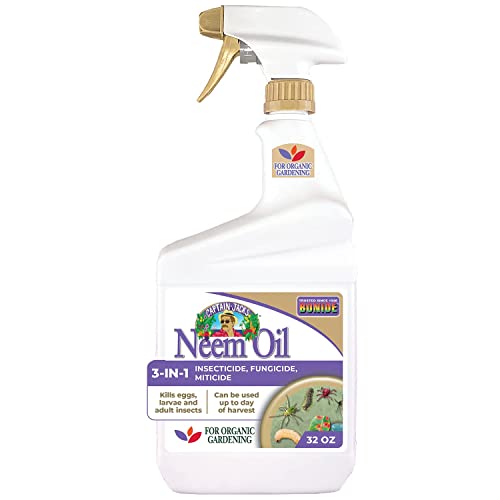
Protect your oasis with 3 garden products in 1 from Captain Jack’s; Bonide Captain Jack’s Ready-to-Use Neem Oil spray for plants is a multi-purpose fungicide, insecticide and miticide for your lawn & garden
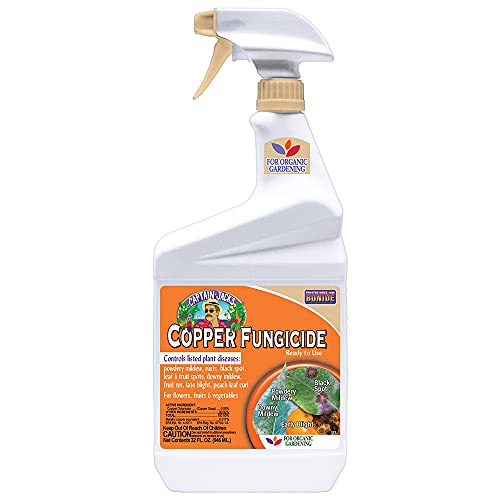
Control fungus and disease in your garden with Captain Jack’s ready-to-use Liquid Copper Fungicide!

FOR ORGANIC GARDENING - Captain Jack's NeemMax is a perfect pest control solution for any garden dealing with mites, flies, mildew, and more. This product is a four-in-one insecticide, fungicide, miticide, and nematicide.
Conclusion
You now have a variety of natural options at your disposal to tackle fungal diseases in your green beans effectively. By incorporating remedies like neem oil, baking soda spray, copper fungicide, garlic and chili pepper spray, and organic compost into your gardening routine, you can safeguard your green beans and promote a bountiful harvest. Remember to water at the base of plants, maintain proper spacing for optimal air circulation, and stay diligent in applying these natural solutions. With these strategies in place, you’re well-equipped to combat fungal infections and nurture thriving green bean plants.
Frequently Asked Questions
What are the recommended natural remedies for treating fungal infections in green beans?
To treat fungal infections in green beans, consider using neem oil, baking soda spray, copper fungicide, garlic and chili pepper spray, and organic compost.
How can I effectively combat fungal diseases in green beans using natural remedies?
Incorporate proper pruning techniques to combat fungal diseases in green beans, and ensure to water at the base of plants and maintain proper spacing for air circulation.
How can I protect my green beans from fungal infections and ensure a healthy harvest?
To protect green beans from fungal infections, incorporate natural remedies like neem oil, baking soda spray, and copper fungicide into your gardening routine to ensure a healthy harvest.
