

Ever wondered why some carrots grow as straight as an arrow while others end up taking the scenic route? Picture this: you’re at the grocery store, picking out carrots, and you notice the varying shapes. How do farmers manage to grow those perfectly straight carrots that make chopping a breeze? In this article, you’ll uncover the secrets behind how carrots defy gravity and grow in such a uniform manner.
Have you ever struggled with oddly shaped carrots that make slicing and dicing a bit more challenging than it should be? Say goodbye to awkwardly shaped vegetables and hello to straight, uniform carrots. By understanding the fascinating process of how carrots grow, you’ll not only appreciate the effort that goes into cultivating them but also learn how to select the best ones for your culinary adventures. Get ready to discover the tricks that nature and farmers use to ensure those straight and sturdy carrots end up on your plate.
Factors Influencing Carrot Growth
Carrots, like many vegetables, go through a fascinating journey from seed to table. Understanding the factors that influence their growth can shed light on the process of how carrots achieve that sought-after straight shape.
- Soil Quality:
For carrots to grow straight, they need loose, well-draining soil. Compacted or rocky soils can cause deformities as the roots struggle to push through obstacles. - Sunlight Exposure:
Carrots thrive in full sun, needing at least six hours of direct sunlight daily. Insufficient sunlight could lead to stunted or misshapen growth. - Watering Practices:
Consistent watering is crucial for carrot growth. Uneven watering can cause cracking or forking, resulting in irregular shapes. - Thinning Process:
Thinning seedlings is essential to allow each carrot enough space to develop properly. Overcrowding can lead to competition for nutrients, affecting their growth pattern. - Varietal Characteristics:
Different carrot varieties exhibit varying levels of straightness in their growth. Some are naturally more inclined to grow straight, while others may have a tendency to develop curves or knots. - Pest and Disease Management:
Protecting carrot crops from pests and diseases is crucial to ensure healthy growth. Pests like carrot rust flies can damage the roots, impacting their shape and overall quality.
By understanding and managing these key factors, you can increase the likelihood of growing straight and uniform carrots in your own garden or appreciating the effort that goes into producing them commercially.
Genetics of Carrot Shape
Understanding the genetics behind carrot shape can shed light on why some carrots grow straight while others develop crooked or forked shapes. Carrots are biennial plants, meaning they have a two-year life cycle.
- Carrot shape is largely determined by genetics passed down from the parent plants.
- Some carrot varieties naturally tend to grow straighter than others due to their genetic makeup.
- Factors like soil quality and environmental conditions can also influence carrot shape.
When selecting carrot seeds for planting, opt for varieties known for producing straight carrots. Research different carrot cultivars and choose those with a reputation for uniformity. By starting with the right genetic material, you set yourself up for success in growing straight carrots from the get-go.
Soil Conditions for Straight Carrots
To grow straight carrots, the soil conditions play a crucial role. Here’s what you need to know:
- Loose Soil: Carrots prefer loose, well-draining soil to grow straight. Compacted soil can hinder their growth and cause them to deform.
- Depth: Ensure the soil is deep enough for the carrot roots to grow straight down. Shallow soil can lead to stunted or crooked carrots.
- Fertility: Moderately fertile soil works best for carrots. Avoid excessive nitrogen, which can result in lush foliage but stunted roots.
- pH Levels: Carrots thrive in slightly acidic to neutral soil with a pH range between 6.0 to 6.8.
- Consistent Moisture: Keep the soil consistently moist but not waterlogged. Inconsistent watering can cause carrots to split or become misshapen.
- Weed-Free: Ensure the area is free of weeds that can compete with carrots for nutrients and interfere with their growth.
Ensuring the right soil conditions sets the stage for cultivating straight and healthy carrots.
Recommended Products

Quick, at home results for Soil pH, Nitrogen, Phosphorous and Potash Innovative and inexpensive soil test kit features an easy-to-use capsule system and patented color comparators

Kindly NOTE: This soil tester can not be applied to test pH value of any other liquid. If the soil is too dry the indicator will not move, and water it before testing.

Comprehensive Soil Analysis: Liquid soil test kits offer a comprehensive analysis of essential soil parameters, including pH, ammonia, nitrogen, phosphorus, and potassium. Having all these measurements in one kit provides a holistic understanding of the soil's fertility and health.
Importance of Proper Watering
When it comes to growing straight carrots, proper watering plays a vital role in ensuring your carrot crop thrives. Here’s why:
- Consistent Moisture: Carrots need even moisture throughout their growth cycle to prevent them from becoming twisted or misshapen. Inconsistent watering may lead to irregular growth patterns.
- Deep Root Development: Adequate watering encourages carrots to develop deep roots, which not only aids in anchoring the plant but also promotes straight growth.
- Preventing Cracking: Proper watering helps to prevent carrots from cracking. Fluctuations in moisture levels can cause the roots to swell and then split, resulting in deformed carrots.
- Avoid Overwatering: While carrots require consistent moisture, be cautious not to overwater. Excess water can lead to rot and disease, impacting the growth and quality of your crop.
Remember, striking a balance with watering is key to cultivating straight and healthy carrots.
Harvesting Techniques for Straight Carrots
When it comes to harvesting straight carrots, there are a few essential techniques to keep in mind that can help you yield high-quality produce without any unwanted curves or bends. Here are some practical tips to ensure you end up with perfectly straight carrots every time:
- Timing: Harvest your carrots when they reach the optimal size for the particular variety you planted. Carrots left in the ground for too long can become oversized and may not grow as straight.
- Loosening the Soil: Before harvesting your carrots, gently loosen the soil around them to make the process easier. Firmly grip the green tops of the carrots close to the root, then gently pull straight up.
- Avoid Force: Do not force stubborn carrots out of the ground, as this can cause them to break or bend. If you encounter resistance, use a gardening fork to loosen the soil around the carrot first.
- Inspect Carefully: Once you’ve harvested your carrots, take the time to inspect them carefully. Look for any signs of irregular growth, such as bends or forks, and set these aside for immediate consumption rather than storage.
- Proper Storage: For the straight carrots you plan to store, remove the green tops to prevent them from drawing moisture away from the root. Place the carrots in a cool, dark place with good ventilation to maintain their freshness.
- Enjoy the Fruits of Your Labor: With these harvesting techniques, you’ll be able to enjoy a bountiful harvest of straight, delicious carrots that you can use in a variety of culinary creations. Happy harvesting!
| Optimal Size | Considerations |
|---|---|
| 6-8 inches | Ideal size for most varieties |
| Over 8 inches | Can lead to irregular growth |
Recommended Products
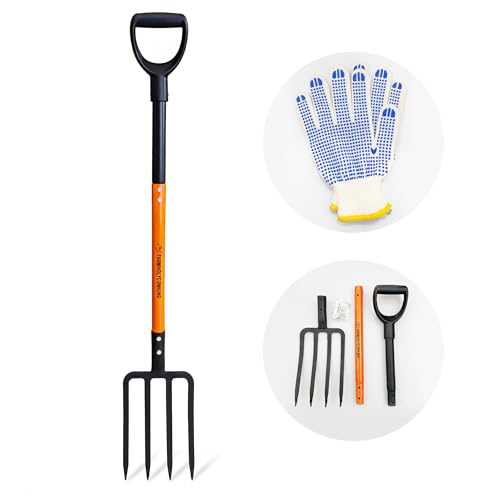
Built for Garden & Compost Work This pitchfork for garden use is designed for everyday digging, turning compost, loosening soil, and moving mulch—ideal for home gardens, raised beds, and backyard landscaping projects.

1. his is you most used tool in the garden! For lifting bulbs, double digging new beds, quick transplants, flipping compost.... The shorter handle makes it easy to get on top of, and since its a fork it takes a lot less effort to get into the soil vs a shovel.
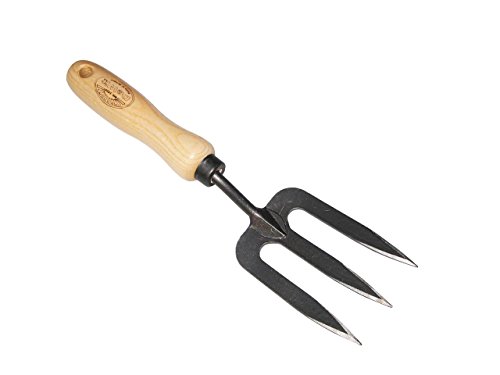
Heirloom Quality: Designed for durability and precision, perfect for cultivating in tight spaces.
Conclusion
Now that you’ve learned about the harvesting techniques for growing straight carrots, you’re equipped to ensure a bountiful supply of flawless produce. By adhering to the optimal size for your carrot variety, gently pulling them from loosened soil, and inspecting for irregularities, you can enjoy a successful harvest. Remember to handle your carrots with care to avoid breakage, and store them properly by removing the green tops. With these simple steps, you’ll be on your way to growing a straight and delicious crop of carrots that are perfect for all your culinary creations. Happy harvesting!
Frequently Asked Questions
1. Why is it important to harvest straight carrots?
Harvesting straight carrots is crucial for ensuring high-quality produce without bends or curves, making them visually appealing and easier to clean and cut.
2. How can I harvest straight carrots?
Harvest straight carrots by pulling them gently out of loosened soil at the optimal size for the variety planted, ensuring no force is applied to prevent breakage.
3. Why should irregular growth be inspected during harvesting?
Inspecting for irregular growth while harvesting straight carrots helps identify any deformities or issues early on, ensuring only the best quality carrots are stored.
4. What should I do after harvesting straight carrots?
After harvesting straight carrots, store them properly by removing the green tops to extend their shelf life and maintain freshness for culinary use.
