

Benefits of Growing Green Beans in a Straw Bale Garden
When you choose to grow green beans in a straw bale garden, you unlock a range of benefits that can enhance your gardening experience. Here are some reasons why this method can be advantageous for your green bean cultivation:
- Improved Drainage: Straw bales provide excellent drainage for green beans, helping to prevent waterlogged soil and root rot issues.
- Mobility: Easily relocate your green bean plants within your garden by taking advantage of the portable nature of straw bales.
- Space Efficiency: Optimize your gardening space with vertical growing possibilities, making it ideal for those with limited area for traditional soil beds.
- Weed Suppression: Straw bales act as a natural weed barrier, reducing the time and effort required for weeding your green bean patch.
- Eco-friendly: Utilizing straw bales in gardening is a sustainable practice that repurposes agricultural by-products, promoting environmental consciousness in your gardening routines.
- Nutrient-Rich Soil: Over time, as the straw bales decompose, they enrich the soil with essential nutrients, providing a fertile growing environment for your green beans.
How to Prepare the Straw Bales for Planting Green Beans
To successfully grow green beans in a straw bale garden, proper preparation of the bales is key. Here’s how you can get started:
- Conditioning: Begin by thoroughly wetting the straw bales. Over the course of about 10-14 days, water the bales daily to kickstart the decomposition process.
- Adding Fertilizer: After the conditioning period, sprinkle a balanced fertilizer with an N-P-K ratio of around 10-10-10 on top of the bales. This will provide essential nutrients for your green beans.
- Creating Planting Holes: Dig holes about 4-6 inches deep into the bales where you’ll place your green bean seeds or seedlings.
- Watering Routine: Throughout the growing season, ensure to water the bales regularly, especially during hot and dry periods. The straw’s composition will require more moisture than traditional soil.
- Monitoring Decomposition: Keep an eye on the bales as they decompose. Visible signs of decomposition indicate that the bales are ready to support your green bean plants.
By following these steps, you’ll set up your straw bales for optimal green bean growth and a bountiful harvest.
Recommended Products

Only product on the market specifically formulated for Straw Bale Gardening


Choosing the Right Green Bean Varieties for a Straw Bale Garden
When selecting green bean varieties for your straw bale garden, consider the following factors to ensure a successful harvest:
- Bush vs. Pole Beans: Determine if you have adequate vertical space for pole beans or if bush beans would be more suitable.
- Climate Adaptability: Choose varieties that thrive in your specific climate to maximize growth.
- Harvest Time: Some green beans are ready for harvest earlier than others, so pick based on your desired timeline.
- Flavor and Texture: Select varieties that match your preferences, whether you prefer crisp or tender beans.
- Opt for varieties like Provider, Blue Lake, or Kentucky Wonder for reliable production in straw bale gardens.
- Consider Golden Wax or Purple Teepee for adding color variety to your harvest.
- Experiment with stringless varieties like Tendergreen for convenience in picking.
- Keep in mind that bush beans are generally easier to manage in straw bale gardens due to their compact growth.
Green bean varieties come in a range of shapes, sizes, and colors, offering diversity in your harvest and ensuring a colorful and flavorful addition to your meals.
Recommended Products

🧑🌾 Jade Bush Bean Seeds – A classic bush-type snap bean that grows compactly without the need for trellising. Plants produce straight, deep green pods with a clean snap and tender texture, making them a dependable choice for fresh picking and kitchen use throughout the summer season.
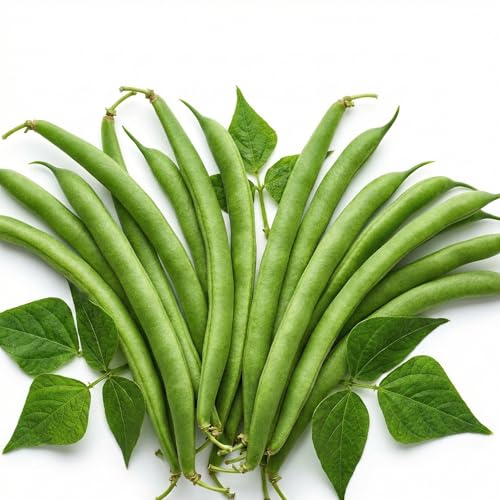
Dependable bush snap bean, Provider green bean (Phaseolus vulgaris); open-pollinated heirloom (released 1966); valued for cooler spring weather performance vs many beans; tender pods for fresh eating, freezing, and canning
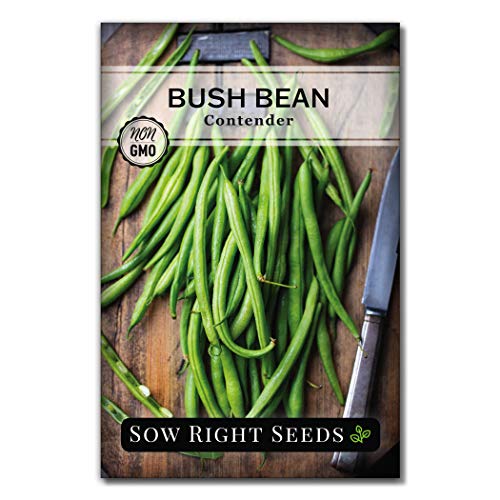
Beautiful - Large premium seed packet of Contender Bush Bean (Phaseolus vulgaris) seeds. Minimum of 16.5g per packet (about 30 seeds). Stringless bush bean that matures early and produces high yields. Adaptable, performing well in short, cool growing seasons or in hot weather. Beans are 5-8" long and retain their flavor when frozen or canned.
Planting and Caring for Green Beans in a Straw Bale Garden
To plant green beans in a straw bale garden, follow these steps:
- Conditioning the bales: Before planting, condition the bales by keeping them damp for about 10-14 days.
- Planting: Make small holes, about 2 inches deep, and plant the seeds. Space them 3 inches apart.
- Watering: Keep the bales moist, especially during dry periods.
- Support: For pole beans, set up a trellis or poles for them to climb.
- Weeding: Regularly check for weeds and remove them to reduce competition.
- Harvesting: Pick green beans when they are young and tender, about 4-6 inches long.
For a successful harvest, follow these tips:
- Fertilize: Apply a balanced fertilizer every few weeks.
- Pest Control: Monitor for pests like aphids and use appropriate measures to control them.
- Disease Prevention: Prevent diseases like powdery mildew by ensuring good air circulation.
- Rotation: Rotate your green bean crop every year to prevent soil-borne diseases.
Harvesting and Maintaining Green Beans in a Straw Bale Garden
When it comes to harvesting green beans in your straw bale garden, it’s important to check them regularly once they start appearing. Harvest the beans when they are still tender for the best flavor and texture. Remember, the more you harvest, the more they’ll produce!
Tips for Harvesting Green Beans:
- Pick green beans every 2-3 days.
- Harvest before the beans become tough or bulging.
- Snip the beans off the plant using garden shears or simply twist them off.
Maintaining green beans in your straw bale garden involves regular watering to keep the bales moist and fertilizing as needed to support growth. Proper weeding is essential to prevent competition for nutrients.
Tips for Maintaining Green Beans:
- Water consistently, especially during dry periods.
- Fertilize with a balanced fertilizer to promote healthy growth.
- Weed regularly to avoid competition for resources.
Remember to provide support for pole beans to help them grow upward and avoid entanglement. Keep an eye out for pests and diseases by inspecting your plants regularly.
- Support pole beans with stakes or trellises.
- Inspect plants for pests like aphids and diseases such as powdery mildew.
- React promptly to any issues to prevent them from spreading.
Conclusion
Growing green beans in a straw bale garden can be a rewarding and sustainable gardening method. By choosing the right green bean varieties and following the proper planting and care techniques, you can enjoy a bountiful harvest. Remember to condition your bales, provide support for pole beans, and maintain consistent watering and fertilization. Keep an eye out for pests and diseases, and practice crop rotation to keep your soil healthy. Harvest your green beans when they are tender and provide support for pole beans as they grow. With regular monitoring and care, you can have a successful green bean harvest in your straw bale garden. Happy gardening!
Frequently Asked Questions
1. What are the key points to consider when selecting green bean varieties for a straw bale garden?
Choose disease-resistant varieties, determine if they are pole or bush beans, and select based on preferred flavor and size.
2. How should one condition the straw bales before planting green beans?
Water the bales thoroughly for about two weeks, add fertilizer, and monitor temperature to ensure they are ready for planting.
3. What planting techniques are recommended for green beans in a straw bale garden?
Create holes in the straw, plant seeds or seedlings, and water adequately for seed germination and healthy plant growth.
4. What support is needed for pole beans in a straw bale garden?
Place trellises or stakes in the bales to support the pole beans as they grow vertically.
5. How can one ensure a successful harvest of green beans in a straw bale garden?
Regularly check the beans for maturity, harvest when tender, provide support for pole beans, and maintain proper watering, fertilization, and pest control.
