

Importance of Using Organic Pesticides
When it comes to protecting your green beans, organic pesticides offer a safe and eco-friendly solution. Here are a few reasons why they are essential:
- Health Benefits: Conventional pesticides may leave harmful residues on your produce, affecting your health. Organic alternatives ensure that your green beans are free from toxic chemicals.
- Environmental Protection: Organic pesticides are biodegradable and do not harm beneficial insects or wildlife. By using them, you contribute to a healthier ecosystem.
- Sustainability: With homemade organic pesticides, you have control over what goes into your plants, promoting a sustainable and natural approach to pest management.
- Cost-Effective: Making your organic pesticide at home can save you money in the long run, as many ingredients are readily available and affordable.
- Efficacy: Contrary to common misconceptions, organic pesticides can be just as effective as their chemical counterparts when used correctly. They target pests while preserving the health of your green beans.
- Support for Local Ecosystems: By utilizing organic methods, you support local biodiversity and contribute to a more balanced and resilient environment.
- Peace of Mind: Knowing that you are using safe and natural solutions to protect your green beans can bring peace of mind and satisfaction as you enjoy your homegrown produce.
Now that you understand the importance of opting for organic pesticides, let’s delve into how to create your homemade solution for your green beans.
Common Pests Affecting Green Beans
When growing green beans, it’s important to be aware of common pests that can pose a threat to your plants. Here are some of the primary pests you may encounter:
- Aphids: These small insects love to feast on the sap of green bean plants, causing leaves to curl and distort.
- Bean Leaf Beetles: Identified by their distinctive color patterns, these beetles can skeletonize leaves and stunt plant growth.
- Mexican Bean Beetles: Resembling ladybugs, these beetles feed on foliage, leaving behind a lace-like pattern.
In addition to these pests, you may also encounter cucumber beetles, cutworms, and spider mites in your green bean patch. Keep an eye out for signs of infestation and be prepared to take action to protect your plants.
Essential Ingredients for Homemade Organic Pesticide
When creating homemade organic pesticide for your green beans, it’s important to gather the right ingredients. Here are some essential components you can use to make an effective and eco-friendly pesticide:
- Neem Oil: A popular choice for organic pest control, neem oil acts as a natural insect repellent.
- Garlic: Garlic is a versatile ingredient that can help deter pests due to its strong scent.
- Pepper: Adding pepper to your pesticide mix can create a repellent for various insects.
- Soap: Soap can be used to suffocate soft-bodied pests like aphids.
Remember, mixing these ingredients in the right proportions is crucial for creating a potent homemade organic pesticide that will protect your green beans effectively.
| Ingredient | Purpose |
|---|---|
| Neem Oil | Natural insect repellent |
| Garlic | Pest deterrent due to strong scent |
| Pepper | Insect repellent |
| Soap | Suffocates soft-bodied pests |
Step-by-Step Guide to Make Organic Pesticide
Creating your own homemade organic pesticide for green beans is a simple and effective way to protect your plants from pests. Follow these easy steps to make a natural solution that is safe for both your plants and the environment.
- Gather Your Ingredients:
- 2 tablespoons of neem oil
- 1 tablespoon of garlic
- 1 tablespoon of pepper
- 1 tablespoon of soap
- Mixing the Ingredients:
- In a container, combine the neem oil and minced garlic.
- Add the pepper and soap to the mixture.
- Fill the container with water and stir well to ensure all ingredients are thoroughly mixed.
- Application:
- Pour the mixture into a spray bottle for easy application.
- Spray the organic pesticide on the leaves of your green bean plants, focusing on the undersides where pests often hide.
- Storage:
- Store any leftover pesticide in a cool, dark place away from direct sunlight.
- Make sure to label the container clearly to avoid confusion.
- Frequency:
- Apply the pesticide every 1-2 weeks or as needed, especially after rainfall or watering.
By following these simple steps, you can create an effective homemade organic pesticide to keep your green bean plants healthy and pest-free. Enjoy the benefits of natural pest control while promoting a thriving garden ecosystem.
Application and Safety Tips
When applying the homemade organic pesticide on your green bean plants, ensure you cover all sides of the leaves for maximum effectiveness. Focus on the undersides where pests like to hide to target them directly.
To maintain safety, it’s crucial to wear protective gear such as gloves and a mask when spraying the pesticide. This helps to prevent skin irritation and inhalation of any potentially irritating substances.
After application, it’s recommended to store any leftover pesticide in a cool, dry place, away from direct sunlight. Proper storage helps to maintain the potency of the pesticide for future use.
Ensure consistent application of the organic pesticide on your green beans. Spray the solution every 1-2 weeks, or more frequently based on pest activity to protect your plants effectively.
Remember, organic pesticides, though safer than chemical ones, should still be handled with care to protect yourself and your green bean plants.
Recommended Products
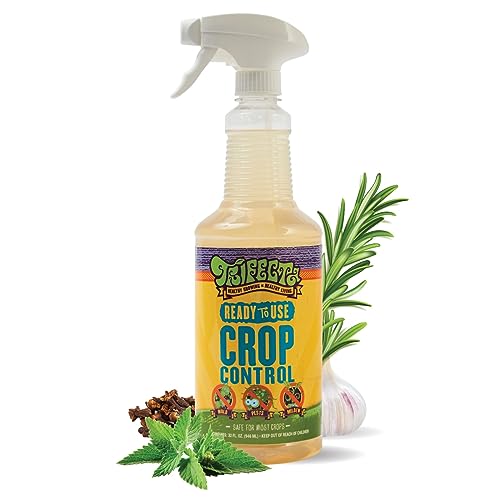
CROP, GARDEN & HOUSEPLANT INSECT CONTROL. Trifecta Crop Control all-natural, plant-based formula effectively combats destructive spider mites, aphids, whiteflies, fungus gnats, and other soft-bodied pests on indoor and outdoor plants. Our biodegradable, eco-friendly solution is safe for use on edible crops, without chemical residues. Our gentle yet potent plant spray suffocates and dehydrates pests without harming beneficial insects or the environment, making it ideal for organic gardening.
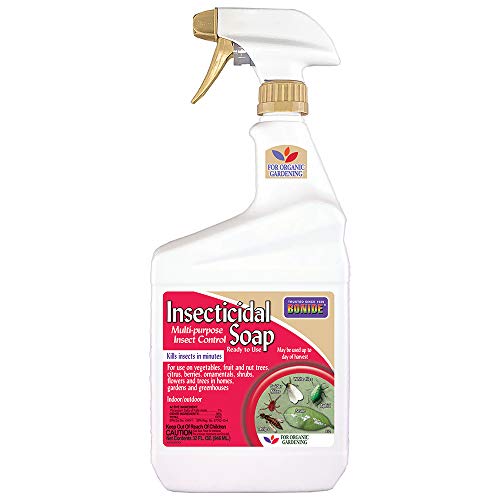
Captain Jack's Insecticidal Super Soap controls species of adelgid, ant, aphid, borer, caterpillar, spider mite, cricket, chinch bug, weevil, fly, thrip, and more
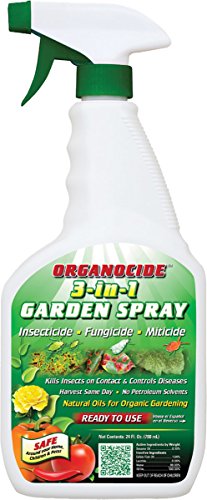
An OMRI-listed, nature-safe insecticide and fungicide for organic production
Conclusion
You’ve learned the importance of thorough application of homemade organic pesticide on green bean plants, especially targeting the undersides of leaves where pests hide. Remember to prioritize safety by wearing protective gear like gloves and a mask. Proper storage in a cool, dry place away from sunlight is essential for any leftover pesticide. Consistent application every 1-2 weeks, or more frequently based on pest activity, will help safeguard your plants effectively. Handle organic pesticides with care, even though they are safer than chemical alternatives. Happy gardening and enjoy your healthy green beans!
Frequently Asked Questions
What is the recommended frequency for applying the homemade organic pesticide on green bean plants?
Apply the pesticide every 1-2 weeks, or more frequently based on pest activity, to effectively protect the plants.
How should the homemade organic pesticide be applied on the green bean plants?
Thoroughly apply the pesticide focusing on the undersides of leaves where pests hide for best results.
What safety measures should be taken during the application of homemade organic pesticide?
Use protective gear like gloves and a mask to prevent skin irritation and inhalation of substances.
How should leftover pesticide be stored?
Store leftover pesticide in a cool, dry place away from sunlight for safekeeping.
How does the usage of organic pesticides differ from chemical alternatives?
Organic pesticides, despite being safer, should still be handled with care to ensure effectiveness and safety during application.
