

Ever wondered why your green beans aren’t thriving as they should? Picture this: you diligently care for your green bean plants, but they still look lackluster. Could nutrient lockout be the culprit? In this article, we’ll unravel the mystery behind nutrient lockout in green beans and equip you with the tools to tackle this common issue head-on.
You’re not alone in facing the challenge of nutrient lockout in your green beans. Many gardeners struggle with this problem, unsure of where to turn for solutions. But fret not! By understanding the signs of nutrient lockout and implementing effective management strategies, you can revitalize your green bean plants and ensure a bountiful harvest.
Understanding Nutrient Lockout in Green Beans
When it comes to nutrient lockout in green beans, it’s important to grasp the mechanism behind this issue. Essentially, nutrient lockout occurs when essential nutrients in the soil become chemically unavailable to the plant. This leads to symptoms of deficiency in the green beans, even if the nutrients are present in the soil.
Factors contributing to nutrient lockout include pH levels, imbalanced nutrient ratios, excess salts, and poor soil drainage. These factors can disrupt the plant’s ability to absorb nutrients effectively, hampering its growth and overall health.
To identify nutrient lockout in your green beans, keep an eye out for yellowing leaves, slow growth, stunted plants, and wilting. Conducting a soil test can also help pinpoint any nutrient deficiencies or imbalances that may be causing the issue.
In the next section, we’ll delve into strategies you can employ to manage and prevent nutrient lockout in your green beans, ensuring they receive the vital nutrients needed to thrive.
Signs of Nutrient Lockout in Green Beans
When it comes to identifying nutrient lockout in your green beans, paying attention to the subtle signs can help you address the issue promptly. Here are some key indicators to watch out for:
- Yellowing leaves: One of the most common signs of nutrient lockout is the development of yellow or discolored leaves. Keep an eye on the color of the foliage, as it can provide valuable insights into the health of your plants.
- Stunted growth: If your green bean plants are not growing at the expected rate or seem smaller than usual, it could be a sign of nutrient deficiencies due to lockout. Monitor the growth of your plants regularly to catch any issues early on.
- Leaf curling or distortion: Another telltale sign of nutrient lockout is the curling or distortion of leaves. If you notice abnormal changes in the shape or structure of the leaves, it may be a red flag signaling nutrient imbalances in the soil.
- Delayed flowering or fruiting: Nutrient deficiencies can also affect the flowering and fruiting stages of your green bean plants. If you’re experiencing delays in the production of flowers or beans, it’s worth investigating potential nutrient lockout issues.
- General poor plant health: Overall, poor plant health such as wilting, drooping, or lackluster appearance can indicate underlying nutrient problems. Take note of any changes in the vitality and vigor of your green beans to address nutrient lockout effectively.
By staying observant and mindful of these signs, you can proactively tackle nutrient lockout in your green beans for healthier and more robust plants.
Common Causes of Nutrient Lockout
Nutrient lockout in green beans can stem from various factors. By understanding the common causes, you can identify and manage this issue effectively:
- Imbalanced pH Levels: Ensure the pH of your soil is suitable for green beans’ nutrient uptake. Most varieties thrive in a pH range of 6.0 to 6.8.
- Over-Fertilization: Excessive use of fertilizers can lead to nutrient imbalances, hindering absorption and causing lockout. Follow recommended application rates.
- Watering Practices: Inconsistent watering or poor drainage can impact nutrient availability to green bean roots. Maintain proper watering schedules.
- Soil Compaction: Compacted soil restricts root growth and reduces nutrient uptake. Loosen soil regularly to promote better nutrient absorption.
- Nutrient Antagonism: Certain nutrients can inhibit the uptake of others when present in excess. Be cautious with fertilizers containing antagonistic elements.
Addressing these factors ensures optimal nutrient uptake for your green bean plants, promoting healthy growth and abundant yields.
Recommended Products

ACCURATELY MEASURES SOIL PH - Lawns thrive in soil with pH levels between 6.2 and 7.0. Our soil test kit accurately determines soil pH levels in just 10 minutes.

Kindly NOTE: This soil tester can not be applied to test pH value of any other liquid. If the soil is too dry the indicator will not move, and water it before testing.

2 pH testing kits per order
Managing Nutrient Lockout in Green Beans
To effectively manage nutrient lockout in your green beans, consider the following strategies:
- Optimize pH Levels: Keep the soil pH between 6.0 and 7.0 for optimal nutrient availability.
- Avoid Over-Fertilization: Excess fertilizers can lead to nutrient imbalances and contribute to lockout issues.
- Adjust Watering Practices: Ensure proper drainage to prevent waterlogging, which can hinder nutrient uptake.
- Address Soil Compaction: Loosen compacted soil to enhance root growth and nutrient absorption.
- Combat Nutrient Antagonism: Some nutrients can inhibit the uptake of others, so balance your fertilizer mix accordingly.
Follow these guidelines to help your green bean plants thrive and avoid nutrient lockout.
Recommended Products

Quick, at home results for Soil pH, Nitrogen, Phosphorous and Potash Innovative and inexpensive soil test kit features an easy-to-use capsule system and patented color comparators

Comprehensive Soil Analysis: Liquid soil test kits offer a comprehensive analysis of essential soil parameters, including pH, ammonia, nitrogen, phosphorus, and potassium. Having all these measurements in one kit provides a holistic understanding of the soil's fertility and health.

Accurate Soil pH Testing: Dewildetradingco Soil pH Test Strips offer measurements of soil pH levels (pH 3.5-9). As an essential tool for every gardener and grower, these test strips help determine the optimal pH for various plants, such as outdoor plants, indoor plants, gardens, grass lawns, fruit trees, flowers, vegetables, and forest shrubs.
Tips for Preventing Nutrient Lockout
- Monitor pH Levels: Keep pH levels between 6.0 and 7.0 to ensure optimal nutrient availability.
- Avoid Over-Fertilizing: Prevent nutrient imbalances by refraining from over-fertilizing your green bean plants.
- Adjust Watering Practices: Ensure proper drainage to prevent waterlogging, which can lead to nutrient lockout.
- Address Soil Compaction: Loosen compacted soil to promote better root growth and nutrient uptake.
- Balance Fertilizer Mix: Combat nutrient antagonism by using a well-balanced fertilizer mix tailored to your green beans’ needs.
Remember, following these tips can help you maintain a healthy nutrient balance in your green bean plants and prevent nutrient lockout issues.
Recommended Products

Ph Test Kit

Monitor Your Health – Take a look at your body from the inside out with saliva and urine pH test strips for humans. Your kit has 125 body ph test strips, a color test chart, and easy PDF instructions by Just Fitter.
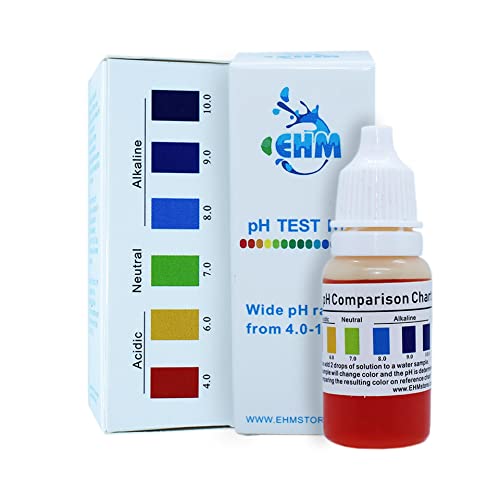
Test any clear liquid in a pH range of 4.0-10.0
Conclusion
You now have a clear understanding of how to identify and manage nutrient lockout in green beans. By monitoring pH levels, avoiding over-fertilization, adjusting watering practices, addressing soil compaction, and balancing fertilizer mix, you can ensure your green bean plants maintain a healthy nutrient balance. Remember, proper care and attention to these factors will help your plants thrive and prevent nutrient lockout issues. Happy gardening!
Frequently Asked Questions
How can I prevent nutrient lockout in green beans?
To prevent nutrient lockout in green beans, monitor pH levels, avoid over-fertilization, adjust watering practices for proper drainage, address soil compaction, and balance fertilizer mix.
Why is it important to monitor pH levels for green beans?
Monitoring pH levels for green beans is important because it affects nutrient availability in the soil. Adjusting pH levels ensures that plants can effectively take up essential nutrients.
How do over-fertilization and nutrient lockout relate to each other?
Over-fertilization can lead to nutrient lockout by disrupting the balance of nutrients in the soil, making it difficult for plants to absorb the necessary nutrients they require for healthy growth.
What role does soil compaction play in nutrient lockout?
Soil compaction can contribute to nutrient lockout by reducing oxygen levels in the soil, hindering root growth and nutrient uptake in green bean plants.
Why is balancing fertilizer mix essential for preventing nutrient lockout?
Balancing the fertilizer mix is crucial to ensure that green beans receive a proper blend of nutrients for optimal growth. An imbalanced fertilizer mix can lead to nutrient deficiencies or excess, causing nutrient lockout issues.
