

Understanding the Causes of Yellowing in Green Bean Plants
When your green bean plants start turning yellow, it’s essential to understand the reasons behind this change. By identifying the causes early on, you can take the necessary steps to address the issue effectively.
- Improper Watering: Overwatering or underwatering can lead to yellowing leaves. Ensure you’re watering your green bean plants correctly for optimal growth.
- Nutrient Deficiencies: Lack of essential nutrients such as nitrogen, potassium, or iron can manifest as yellow leaves. Consider fertilizing your plants appropriately.
- Pests and Diseases: Insect infestations or diseases can also cause yellowing. Keep an eye out for signs of pests and diseases in your green bean plants.
- Environmental Stress: Factors like extreme temperatures, poor soil quality, or excessive sunlight can stress the plants, resulting in yellow leaves.
- Root Issues: Problems with the plant’s roots, such as root rot or compact soil, can impair nutrient absorption and lead to yellowing.
- Age of the Plant: Remember that older leaves naturally turn yellow and drop off. This process is normal and not a cause for concern unless it affects overall plant health.
By pinpointing the specific cause of yellowing in your green bean plants, you can take tailored actions to revive them and ensure a healthy harvest.
Assessing Environmental Factors
When your green bean plants begin to yellow, Assessing Environmental Factors is crucial in determining the root cause. Here’s what you should consider:
- Light Exposure: Ensure your plants are getting adequate sunlight for optimal growth.
- Temperature: Sudden changes in temperature can stress plants, leading to yellowing. Maintain consistent temperatures.
- Humidity Levels: Green beans thrive in moderate humidity levels. Monitor and adjust accordingly.
- Air Circulation: Poor air circulation can foster diseases. Increase ventilation around your plants.
- Pollutants: Check for any airborne pollutants that could be affecting plant health.
- Soil Quality: Assess if the soil drainage is adequate for your green bean plants.
Don’t forget to consider these environmental factors when troubleshooting yellowing green bean plants.
Recommended Products
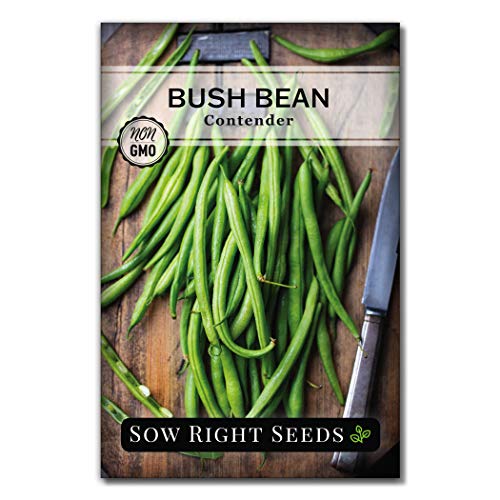
Beautiful - Large premium seed packet of Contender Bush Bean (Phaseolus vulgaris) seeds. Minimum of 16.5g per packet (about 30 seeds). Stringless bush bean that matures early and produces high yields. Adaptable, performing well in short, cool growing seasons or in hot weather. Beans are 5-8" long and retain their flavor when frozen or canned.
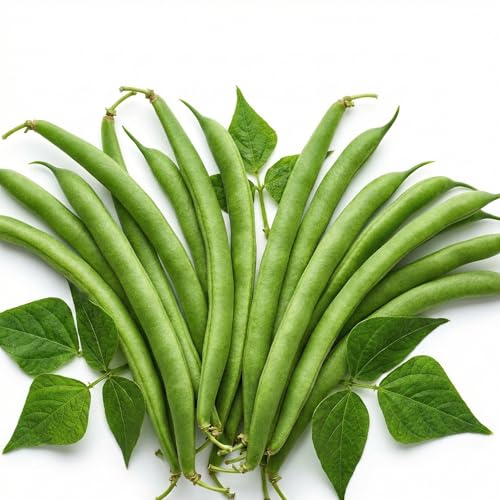
Dependable bush snap bean, Provider green bean (Phaseolus vulgaris); open-pollinated heirloom (released 1966); valued for cooler spring weather performance vs many beans; tender pods for fresh eating, freezing, and canning
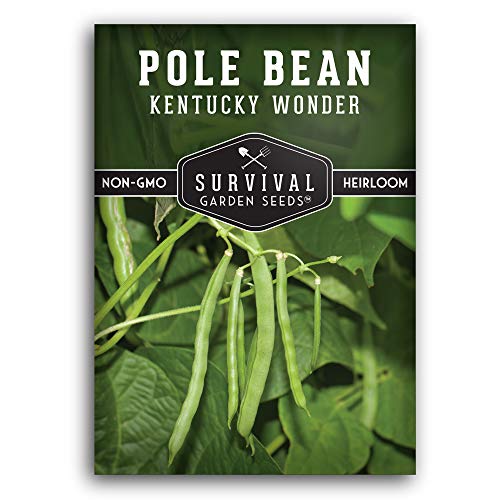
CLIMBING POLE BEANS SEEDS - Kentucky Wonder pole bean (Phaseolus vulgaris) seeds produce vigorous vines that climb trellises, fences, and poles, maximizing vertical space and increasing production in compact garden areas
Checking for Pests and Diseases
When green bean plants turn yellow, it’s vital to inspect them for pests and diseases. Common pests like aphids, spider mites, and whiteflies can suck the sap from leaves, causing discoloration. Keep an eye out for tiny insects on the underside of leaves or fine webbing. Fungal infections such as powdery mildew and bacterial diseases like bacterial blight can also lead to yellowing. Look for fuzzy white spots or dark lesions on the foliage.
To address pest issues, you can handpick insects or use insecticidal soap for a natural remedy. For diseases, prune affected parts and avoid overhead watering. Applying fungicides may help combat fungal diseases. Rotate crops yearly and maintain plant hygiene to prevent reoccurrence of pests and diseases.
Recommended Products

3-IN-1 GARDEN CARE SPRAY - Earth’s Ally 3-in-1 Plant Spray is a ready-to-use botanical oil spray designed for indoor and outdoor plant care. The houseplant pest spray effectively kills and controls soft-bodied insects and common plant diseases with a synergistic blend of essential oils.

CROP, GARDEN & HOUSEPLANT INSECT CONTROL. Trifecta Crop Control all-natural, plant-based formula effectively combats destructive spider mites, aphids, whiteflies, fungus gnats, and other soft-bodied pests on indoor and outdoor plants. Our biodegradable, eco-friendly solution is safe for use on edible crops, without chemical residues. Our gentle yet potent plant spray suffocates and dehydrates pests without harming beneficial insects or the environment, making it ideal for organic gardening.

DUAL-ACTION BOTANICAL FORMULA — Combines insecticidal soap with cinnamon oil, bringing two complementary approaches together in one plant-care formula.
Adjusting Care and Maintenance Practices
When green bean plants start turning yellow, it’s essential to adjust your care and maintenance practices to address the underlying issues. Here are some practical tips to help you restore the health of your plants:
- Watering: Ensure proper watering by checking soil moisture levels regularly. Overwatering can lead to root rot, causing yellowing of the leaves. Underwatering, on the other hand, can also stress the plants and result in discoloration.
- Fertilization: Balanced fertilization is crucial for the growth and nutrition of green bean plants. Check if nutrient deficiencies are causing the yellowing and adjust fertilization accordingly.
- Sunlight Exposure: Green beans thrive in full sun. Ensure they are getting adequate sunlight for optimal photosynthesis.
- Temperature: Green beans prefer warm conditions. Cold temperatures can cause yellowing, so protect your plants if temperatures drop.
- Weeding: Remove weeds around your green bean plants to prevent competition for nutrients and water, helping the plants recover.
- Mulching: Mulch around the base of the plants to help retain moisture, control weeds, and maintain soil temperature.
| Nutrient Deficiencies | Symptoms |
|---|---|
| Nitrogen | Pale green or yellow leaves |
| Iron | Yellowing between leaf veins |
| Magnesium | Leaf edges turning yellow |
By adjusting these care and maintenance practices, you can address the issue of green bean plants turning yellow and promote their growth and vitality.
Recommended Products

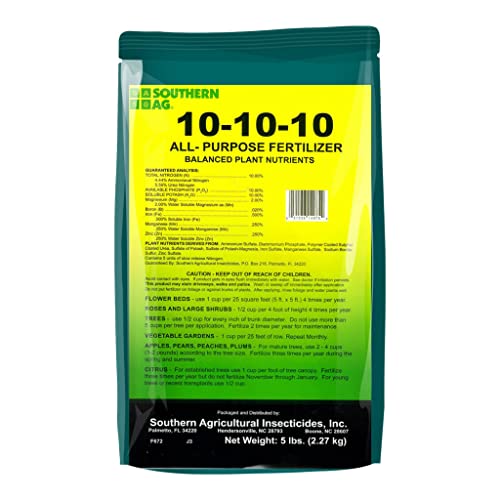
New 10 Bottles All Purpose Green Green Liquid Plant Food

🫘 FORMULATED FOR ALL GREEN BEAN VARIETIES – Gardenera LIQUID POWER Green Beans Fertilizer supports explosive vine growth, flowering, and crisp pod production for bush beans, pole beans, string beans, and snap beans.
Preventive Measures for Healthy Green Bean Plants
When it comes to maintaining the vibrancy and vitality of your green bean plants, there are several preventive measures you can take to ensure they remain lush and green. Here are some practical tips to keep your green bean plants healthy:
- Proper Watering: Water your plants consistently, allowing the soil to dry slightly between watering sessions.
- Balanced Fertilization: Ensure your green bean plants receive the right nutrients by fertilizing them regularly with a balanced fertilizer.
- Adequate Sunlight Exposure: Place your plants in a spot where they can bask in full sunlight for at least 6-8 hours a day.
- Optimal Temperatures: Green bean plants thrive in temperatures between 60-85°F (15-29°C). Monitor the temperature to ensure they are at their happiest.
- Weeding: Regularly remove any weeds around your green bean plants to prevent competition for nutrients and water.
- Mulching: Apply a layer of mulch around your plants to retain moisture, regulate soil temperature, and reduce weed growth.
Implementing these preventive measures will go a long way in keeping your green bean plants healthy and vibrant.
Conclusion
You’ve learned valuable tips to keep your green bean plants healthy and vibrant. Consistent watering, balanced fertilization, proper sunlight exposure, ideal temperatures, regular weeding, and mulching are key factors in maintaining thriving plants. By implementing these preventive measures, you can ensure your green bean plants stay lush and productive. Remember, a little care goes a long way in preserving the beauty and health of your garden.
Frequently Asked Questions
How often should I water my green bean plants?
Water green bean plants consistently, allowing the soil to slightly dry between watering sessions.
What type of sunlight exposure do green bean plants need?
Green bean plants require 6-8 hours of sunlight exposure daily for optimal growth.
What temperatures are ideal for green bean plants?
Maintain temperatures between 60-85°F (15-29°C) for healthy green bean plants.
Why is it important to fertilize green bean plants?
Balanced fertilization ensures green bean plants have the necessary nutrients for growth and development.
How can I prevent weeds from affecting my green bean plants?
Regular weeding is essential to prevent weeds from competing with green bean plants for nutrients.
Why is mulching recommended for green bean plants?
Mulching helps retain moisture in the soil and regulates soil temperature, enhancing the health of green bean plants.
