

Ever wondered if green beans can thrive in partial shade? Picture this: you’re eager to grow your own fresh produce, but your garden only gets a few hours of sunlight each day. Will your green beans make it? This article is here to shed light on the possibilities and perks of growing green beans in less-than-ideal light conditions.
Understanding Green Beans
Green beans, also known as snap beans or string beans, are versatile vegetables that can thrive in various conditions. Here’s what you need to know:
- Varieties: There are over 130 varieties of green beans, with differences in size, color, and growth habit.
- Nutritional Value: Green beans are rich in vitamins A, C, and K, as well as fiber and antioxidants.
- Growing Conditions: Green beans typically thrive in full sun but can also do well in partial shade, making them a flexible option for gardeners with limited sunlight.
When cultivating green beans in partial shade, it’s important to choose a variety that is suitable for lower light levels. Opt for bush varieties that require less sunlight compared to pole beans. Additionally, ensure that the soil is well-draining and rich in organic matter to support healthy growth.
Green beans are fast-growing plants that are perfect for beginner gardeners due to their low maintenance requirements. Whether you have a sunny spot in your garden or a partially shaded area, green beans can be a rewarding addition to your homegrown produce.
Remember to provide adequate water to your green beans, especially during dry spells, and harvest regularly to encourage continuous production. With the right care and attention, green beans can thrive in partial shade and provide you with a bountiful harvest of fresh, flavorful pods.
Recommended Products
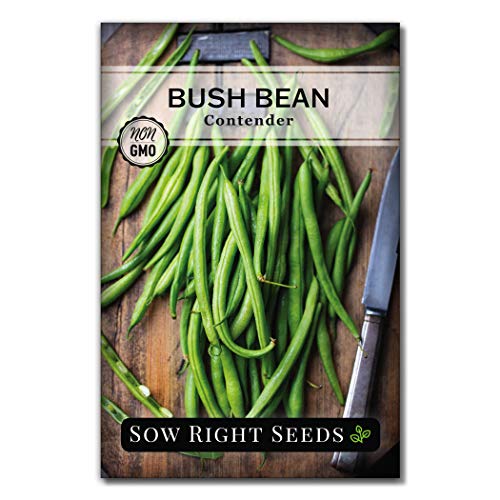
Beautiful - Large premium seed packet of Contender Bush Bean (Phaseolus vulgaris) seeds. Minimum of 16.5g per packet (about 30 seeds). Stringless bush bean that matures early and produces high yields. Adaptable, performing well in short, cool growing seasons or in hot weather. Beans are 5-8" long and retain their flavor when frozen or canned.

🧑🌾 Jade Bush Bean Seeds – A classic bush-type snap bean that grows compactly without the need for trellising. Plants produce straight, deep green pods with a clean snap and tender texture, making them a dependable choice for fresh picking and kitchen use throughout the summer season.
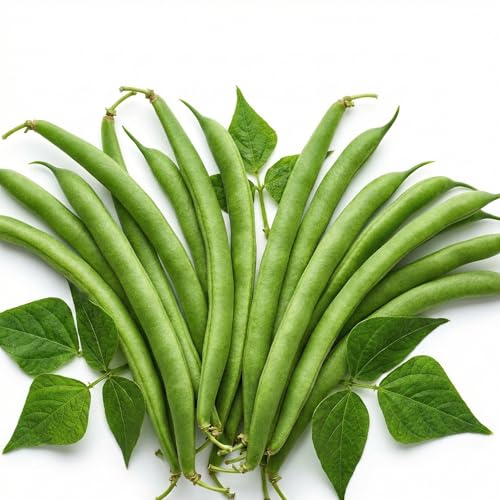
Dependable bush snap bean, Provider green bean (Phaseolus vulgaris); open-pollinated heirloom (released 1966); valued for cooler spring weather performance vs many beans; tender pods for fresh eating, freezing, and canning
Light Requirements for Green Beans
When growing green beans, one crucial aspect to consider is light. While they typically thrive in full sun, they can also do well in partial shade conditions. Here are a few key points to keep in mind regarding the light requirements for your green beans:
- Partial Shade Tolerance: Green beans can tolerate some shade, making them a versatile option for gardens with limited sunlight.
- Optimal Light Exposure: Aim for 4-6 hours of sunlight daily for your green beans to ensure healthy growth and a good harvest.
- Shade vs. Sun: While full sun is ideal, partial shade can work, but remember that too much shade can lead to poor growth and decreased yields.
- Adaptability: Green beans are adaptable plants that can adjust to different light conditions, but they thrive best in sunny spots.
- Monitor Light Levels: Keep track of how the sun moves across your garden to ensure your green beans receive adequate sunlight throughout the day.
By understanding the light requirements of green beans and providing them with the right amount of sunshine, you can set the stage for a successful harvest even in partial shade.
Benefits of Growing Green Beans in Partial Shade
When it comes to growing green beans in partial shade, there are distinct advantages that you should consider. Let’s explore some of the key benefits:
- Extended Growing Season: Green beans in partial shade might experience less stress from intense sunlight, allowing them to thrive longer into the season.
- Mitigated Heat Stress: Partial shade can offer relief from scorching temperatures, helping green beans maintain their vigor and productivity.
- Reduced Water Needs: With some shade during the day, green beans may require less frequent watering, making them a more manageable option for your garden.
- Protection from Sunburn: Excessive sun exposure can lead to sunburn in plants, but partial shade can shield your green beans from this risk.
- Versatility in Plant Placement: Growing green beans in partial shade expands your options for garden layout, making it easier to utilize different areas for cultivation.
- Sustainable Harvests: By optimizing the light conditions for your green beans, you can promote healthy growth and ensure a bountiful harvest throughout the season.
Next, let’s delve into some practical tips for successfully cultivating green beans in partial shade.
Tips for Cultivating Green Beans in Partial Shade
When growing green beans in partial shade, there are some key tips to keep in mind to ensure the best results. Here are some practical pieces of advice to help you cultivate healthy green beans in less sunny conditions:
- Choose the Right Variety: Opt for green bean varieties that are specifically suited for partial shade conditions. Look for bush varieties that require less sunlight compared to pole beans.
- Monitor Soil Moisture: Check the moisture levels in the soil regularly, as plants in partial shade may need less water than those in full sun. Ensure the soil is well-draining to prevent waterlogging.
- Provide Adequate Nutrients: Partial shade can affect a plant’s ability to photosynthesize efficiently. Consider using a balanced fertilizer to provide essential nutrients for healthy growth.
- Prune for Air Circulation: Proper airflow is crucial for preventing diseases in green bean plants. Trim any overcrowded foliage to promote air circulation and reduce the risk of fungal issues.
- Rotate Planting Locations: To maximize light exposure for your green beans, rotate their planting locations each year. This practice can help prevent nutrient depletion and pest buildup.
- Mulch for Moisture Retention: Apply a layer of mulch around your green bean plants to help retain soil moisture and regulate temperature fluctuations in partial shade conditions.
- Support Vertical Growth: If you’re growing pole beans in partial shade, provide stakes or trellises for vertical support. This can help optimize light exposure and prevent plants from sprawling.
- Harvest Frequently: Regular harvesting encourages continuous production and prevents green beans from becoming overripe. Pick pods when they are young and tender for the best flavor.
- Scout for Pests: Keep an eye out for common garden pests like aphids or bean beetles. Early detection and prompt action can help protect your green bean plants from damage.
Remember, with the right care and attention, you can successfully cultivate delicious green beans even in partial shade conditions.
Conclusion
With the right care and attention, green beans can indeed thrive in partial shade. By following the practical tips shared in this article, you can enjoy a successful harvest of delicious green beans even in areas with less sunlight. Remember to choose the right varieties, monitor soil moisture, provide necessary nutrients, and implement proper cultivation techniques. With a little effort and know-how, you can create a thriving green bean garden that rewards you with a plentiful supply of fresh beans throughout the growing season. Happy gardening!
Frequently Asked Questions
How can I grow green beans in partial shade?
To grow green beans in partial shade, choose varieties that tolerate less sunlight, monitor soil moisture, fertilize appropriately, prune for air circulation, rotate planting spots, mulch for moisture retention, support vertical growth for pole beans, harvest regularly, and inspect for pests.
What are the key tips for successfully cultivating green beans in less sunny areas?
Select suitable green bean varieties, keep an eye on soil moisture levels, ensure proper nutrition, trim for adequate air circulation, change planting locations yearly, use mulch for water retention, encourage vertical growth for pole beans, pick beans often, and monitor for pest infestations.
