

Ever wondered if green beans could thrive in a rooftop garden oasis? Picture this: You, basking in the sun on your rooftop, plucking fresh green beans for tonight’s dinner. Intriguing, isn’t it? In this article, discover the exciting world of growing green beans as part of your living roof garden.
Imagine the joy of harvesting your own organic green beans just a few steps away from your kitchen. Not only will you elevate your garden game, but you’ll also enjoy the freshest produce right at your fingertips. Ready to transform your rooftop into a green bean paradise? Let’s dive into the possibilities and benefits awaiting you in this green-filled journey.
Benefits of a Living Roof Garden
Imagine the convenience of having fresh green beans just a few steps away from your kitchen. Here are the benefits of having a living roof garden:
- Easy Access: Your rooftop garden offers quick access to fresh green beans for your recipes.
- Improved Air Quality: Rooftop greenery purifies the air, creating a healthier environment.
- Enhanced Aesthetics: Green beans add beauty and vibrancy to your rooftop space.
- Temperature Regulation: The garden helps regulate temperatures, cooling the area in hot weather.
- Sustainable Living: Growing green beans on your roof promotes sustainability.
- Personal Satisfaction: The joy of harvesting your own produce is unmatched.
Choosing the Right Green Bean Varieties
When it comes to Choosing the Right Green Bean Varieties for your living roof garden, consider the following factors:
- Bush Beans: Ideal for compact spaces and mature quickly.
- Pole Beans: Great for vertical growth in taller rooftop gardens.
- Stringless Varieties: Offer a more pleasant eating experience.
- Heirloom Beans: Bring diversity in colors and flavors to your harvest.
Select the green bean varieties that align with your space, preferences, and gardening goals. Remember, the right choice can make a significant difference in your gardening experience.
Recommended Products
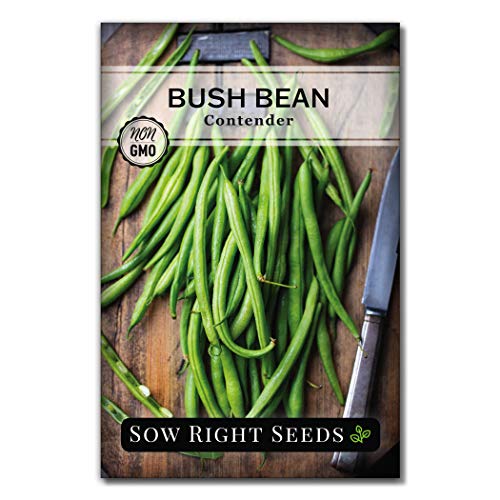
Beautiful - Large premium seed packet of Contender Bush Bean (Phaseolus vulgaris) seeds. Minimum of 16.5g per packet (about 30 seeds). Stringless bush bean that matures early and produces high yields. Adaptable, performing well in short, cool growing seasons or in hot weather. Beans are 5-8" long and retain their flavor when frozen or canned.

CLIMBING POLE BEANS SEEDS - Kentucky Wonder pole bean (Phaseolus vulgaris) seeds produce vigorous vines that climb trellises, fences, and poles, maximizing vertical space and increasing production in compact garden areas

High Germination Rate: Heirloom seeds sprout in 5–10 days. Ideal greenbeans for USDA zones 3–11, gardens, raised beds, and containers. Blue lake bush bean seeds have been known in the canning industry for years because of its reliability, huge yields and disease resistance.
Preparation and Planting Tips
When it comes to preparing your living roof garden for growing green beans, there are a few key tips to keep in mind:
- Selecting Varieties: Choose bush beans for compact spaces or pole beans for vertical growth, depending on your garden setup and available space. Consider stringless varieties for a better eating experience and heirloom beans for diverse colors and flavors.
- Soil Preparation: Ensure your soil is light, well-draining, and rich in nutrients. Mix in compost to boost soil health and fertility.
- Sunlight Requirements: Green beans thrive in full sunlight, so make sure your roof garden receives at least 6-8 hours of direct sunlight each day.
- Planting Depth: Plant your green bean seeds at a depth of about 1 to 1.5 inches in the soil. Space seeds according to the recommendations on the seed packet.
- Support Systems: For pole beans, set up trellises or stakes to provide support for vertical growth and improve air circulation around the plants.
- Watering Schedule: Keep the soil consistently moist but not waterlogged. Water deeply when the top inch of soil feels dry to the touch.
- Mulching: Apply a layer of mulch around your green bean plants to help retain moisture, suppress weeds, and regulate soil temperature.
- Pest Control: Monitor your plants regularly for signs of pests like aphids or bean beetles. Handpick pests when possible or use organic pest control methods.
By following these Preparation and Planting Tips, you can set your living roof garden up for success when growing green beans.
Recommended Products

🧑🌾 Jade Bush Bean Seeds – A classic bush-type snap bean that grows compactly without the need for trellising. Plants produce straight, deep green pods with a clean snap and tender texture, making them a dependable choice for fresh picking and kitchen use throughout the summer season.
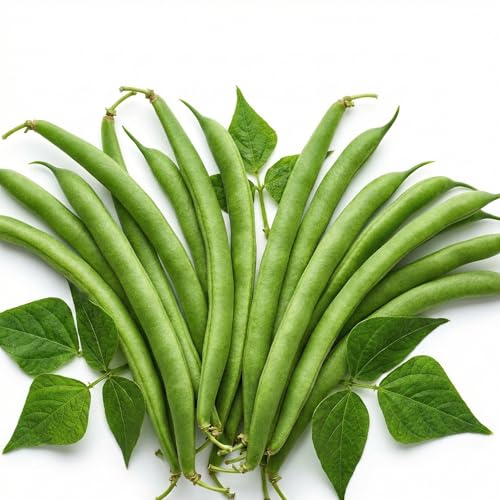
Dependable bush snap bean, Provider green bean (Phaseolus vulgaris); open-pollinated heirloom (released 1966); valued for cooler spring weather performance vs many beans; tender pods for fresh eating, freezing, and canning
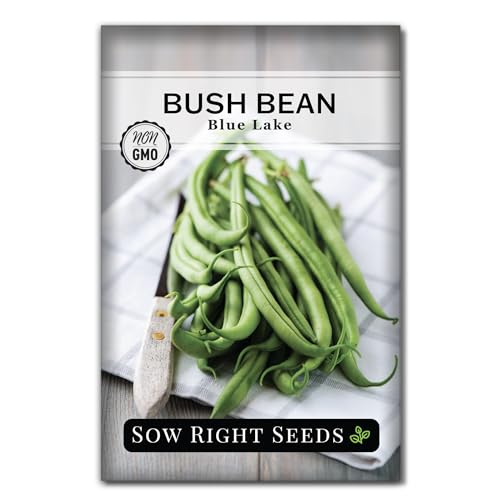
Beautiful – Large premium packet of Blue Lake Bush Bean (Phaseolus vulgaris) seeds. A classic favorite, producing a bounty of plump, stringless pods renowned for their exceptional taste and texture. The easy-to-grow bushy plants reach 15-20", making them a good choice for containers or gardens with limited space. Minimum of 15 g per packet (about 62 seeds).
Maintenance and Care
When it comes to maintaining your green beans in a living roof garden, here are some key tips to help you ensure a successful harvest:
- Watering:
- Ensure consistency in watering to keep the soil moist but not waterlogged.
- Water at the base of the plant to avoid wetting the foliage which can lead to disease.
- Weeding:
- Regular weeding helps prevent competition for nutrients and minimize pest habitats.
- Be vigilant and remove weeds while they are still small to prevent them from taking over.
- Monitoring pests:
- Keep an eye out for common pests like aphids or beetles that may damage your green beans.
- Consider natural remedies like introducing beneficial insects or using neem oil to control infestations.
- Harvesting:
- Check your green beans regularly to ensure you pick them at the right time for optimal taste and texture.
- Harvest beans when they are tender but firm, usually around 3-4 inches in size.
| Watering | Weeding | Harvesting |
|---|---|---|
| Consistent water | Regular weeding | Check regularly |
| Water at base | Remove weeds promptly | Harvest at 3-4 inches |
Remember, by prioritizing maintenance and care, you can maximize the yield and health of your green beans in your living roof garden.
Recommended Products
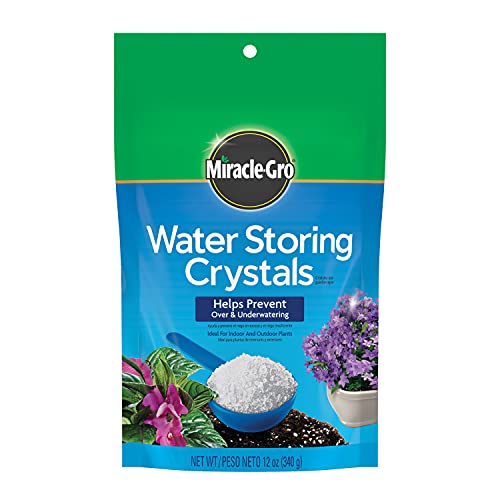
Prevents Over and Under Watering: Miracle-Gro Water Storing Crystals absorb moisture and release it back to your plants as needed, helping to prevent over and underwatering

Grow beautiful plants with less water

【Long-lasting Water Lock】:These water storing crystals are prolonged hydration for indoor and outdoor plants.Watering with this water crystals can reduce water consumption by 50%, effectively reducing the frequency of watering and the loss of important nutrients during plant growth.
Harvesting Tips
When it comes to harvesting green beans, timing is key. You want to pick them when they’re tender but firm, usually around 3-4 inches in length. Here are some tips to make the most of your green bean harvest:
- Regular Harvesting: Pick green beans every few days to encourage more production and prevent them from becoming overripe.
- Gentle Handling: Be gentle when harvesting green beans to avoid damaging the plant or other developing beans.
- Use Scissors or Pruners: Instead of pulling, cut the beans from the vine using scissors or pruners to avoid harming the plant.
- Inspect Before Picking: Check the beans for any signs of damage, discoloration, or pests before harvesting to ensure you’re getting the best produce.
- Harvest in the Morning: The morning is the best time to harvest green beans as they are crisp and full of moisture.
Maintaining a good harvesting routine will not only give you a bountiful harvest but also ensure that your green beans are at their peak flavor.
Conclusion
Growing green beans in a living roof garden can be a rewarding experience. By following proper harvesting techniques and timing, you can enjoy a bountiful supply of fresh, flavorful beans. Remember to harvest regularly, handle the plants gently, and use the right tools for the job. Inspect your beans before picking, aim for morning harvests, and stick to a consistent routine for the best results. With these practices in place, you’ll be well on your way to a successful green bean harvest on your rooftop garden. Happy gardening!
Frequently Asked Questions
What are the key harvesting tips for green beans in a rooftop garden?
Regularly harvest every few days to increase production and preserve freshness. Handle beans gently to avoid harming the plant. Use scissors or pruners for harvesting to prevent damage.
Why is inspecting beans before picking important?
Inspecting beans before picking helps ensure you harvest at the right time for optimal quality and flavor.
When is the best time to harvest green beans?
Harvesting in the morning is recommended for the best quality and flavor of green beans.
What practices can help ensure a plentiful harvest of green beans?
Maintain a consistent routine for harvesting and follow proper techniques to guarantee a bountiful crop of green beans.
