

Ever wondered why your green beans don’t flourish as expected? Are you struggling to find the perfect green bean variety that suits your climate? Picture this: eagerly planting your green bean seeds, only to be met with disappointing results. But fret not, as in this article, you’ll uncover the secrets to selecting the ideal green bean variety for your unique climate.
Imagine the satisfaction of harvesting a bountiful crop of green beans perfectly tailored to thrive in your specific weather conditions. With the right knowledge and guidance, you can transform your green bean growing experience from mediocre to magnificent. Stay tuned as we delve into the world of green bean varieties and equip you with the tools to make informed decisions for a successful harvest.
Understanding Climate Requirements for Green Beans
Green beans are sensitive to temperature and day length. Here’s a breakdown of ideal climate conditions for your green beans:
- Temperature: Warm weather is key. Plant your green beans when soil temperatures reach at least 60°F.
- Sunlight: Ensure your green beans get full sun exposure for 6-8 hours daily.
- Frost: Green beans can’t tolerate frost. Wait until all frost risks are gone before planting.
To select the best green bean variety for your climate, consider the following:
- Warm Climates: Opt for heat-tolerant varieties like Provider or Roma II.
- Cool Climates: Choose cold-tolerant types such as Blue Lake or Kentucky Wonder.
- Short Growing Seasons: Pick fast-maturing varieties like Harvester or Contender.
- Long Growing Seasons: Select pole bean varieties that produce over a longer period.
Remember, choosing the right green bean variety for your specific climate is crucial to a successful harvest.
Researching Green Bean Varieties
When Researching Green Bean Varieties for your climate, it’s crucial to consider factors like temperature, sunlight, and frost tolerance to ensure a successful harvest. Here are some practical steps you can follow:
- Start by researching the specific climate requirements of different green bean varieties. Look for heat-tolerant types if you’re in a warm climate or cold-tolerant options for cooler regions.
- Consider the length of your growing season. Opt for fast-maturing green beans if you have a shorter season, or choose pole bean varieties for a longer growing period.
- Consult local gardeners or agricultural extension services for recommendations tailored to your area. They can provide valuable insights based on their experience with growing green beans in your climate.
- Experiment with a few varieties to see which ones perform best in your specific conditions. Keep track of their growth, yield, and overall health to inform your future choices.
Remember, selecting the right green bean variety for your climate is the foundation for a bountiful harvest. Dedicate time to researching and experimenting to find the perfect match for your growing conditions.
Considering Temperature and Sunlight Needs
When selecting the best green bean variety for your climate, temperature and sunlight are crucial factors to consider:
Temperature Requirements:
- Different green bean varieties thrive in specific temperature ranges.
- Some prefer warmer climates, while others are more suited to cooler temperatures.
- It’s essential to match the variety’s temperature needs with your local climate for optimal growth.
- Green beans generally require full sunlight to flourish.
- Ensure your chosen variety receives at least 6-8 hours of direct sunlight daily.
- Lack of sunlight can lead to poor growth and low yields.
When researching green bean varieties, prioritize those that align with your region’s temperature patterns and can access ample sunlight for robust growth.
Recommended Products
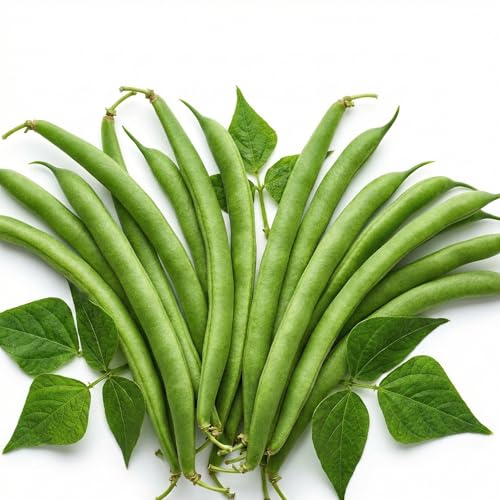
Dependable bush snap bean, Provider green bean (Phaseolus vulgaris); open-pollinated heirloom (released 1966); valued for cooler spring weather performance vs many beans; tender pods for fresh eating, freezing, and canning
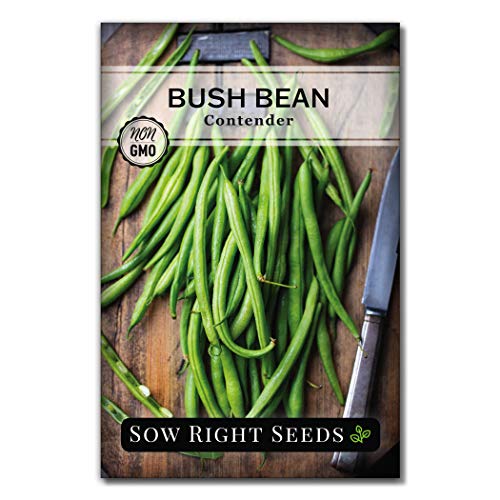
Beautiful - Large premium seed packet of Contender Bush Bean (Phaseolus vulgaris) seeds. Minimum of 16.5g per packet (about 30 seeds). Stringless bush bean that matures early and produces high yields. Adaptable, performing well in short, cool growing seasons or in hot weather. Beans are 5-8" long and retain their flavor when frozen or canned.
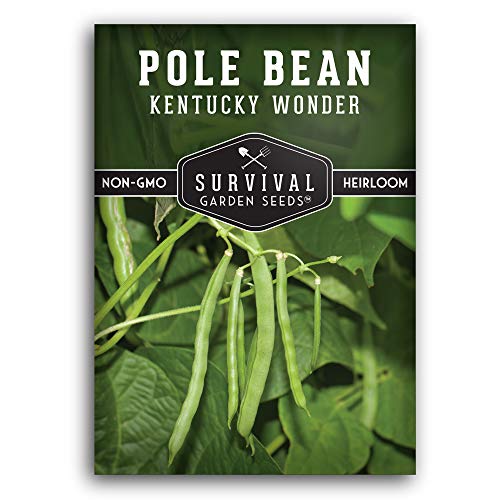
CLIMBING POLE BEANS SEEDS - Kentucky Wonder pole bean (Phaseolus vulgaris) seeds produce vigorous vines that climb trellises, fences, and poles, maximizing vertical space and increasing production in compact garden areas
Selecting Disease-Resistant Green Bean Varieties
When selecting green bean varieties for your climate, choosing disease-resistant options can help ensure a healthy and fruitful harvest.
Disease-resistant varieties are bred to withstand common bean diseases, reducing the need for chemical interventions and promoting sustainable cultivation practices.
To select disease-resistant green bean varieties tailored to your climate, consider the following tips:
- Research local diseases: Identify common bean diseases in your area to prioritize resistant varieties.
- Consult with local experts: Seek advice from agricultural extension services or nurseries for recommended disease-resistant options.
- Read seed descriptions: Look for varieties specifically labeled as resistant to prevalent bean diseases in your region.
Remember, prevention is key to maintaining a healthy crop. By selecting disease-resistant green bean varieties, you can mitigate the risk of yield loss due to diseases.
Conclusion
Selecting the best green bean variety for your climate is essential for a successful harvest. By choosing disease-resistant varieties, you can protect your crops and promote sustainable farming practices. Researching local diseases, seeking advice from experts, and reading seed descriptions are key steps in finding the right variety. Prevention is key to maintaining a healthy crop, and disease-resistant varieties can help minimize yield loss. Make informed decisions based on your climate and farming practices to ensure a bountiful green bean harvest. Happy gardening!
Frequently Asked Questions
Q: Why is it important to select disease-resistant green bean varieties?
A: Selecting disease-resistant green bean varieties is crucial to ensure a healthy and productive harvest. These varieties are specifically bred to withstand common bean diseases, reducing the need for chemical treatments and promoting sustainable farming practices.
Q: How can I choose the right disease-resistant green bean variety for my climate?
A: To choose the right disease-resistant green bean variety for your climate, research local diseases, seek advice from agricultural experts, and read seed descriptions for resistance information. This tailored approach helps in selecting varieties that can thrive in your specific climate conditions.
Q: How can disease-resistant green bean varieties help minimize yield loss?
A: Disease-resistant green bean varieties play a key role in minimizing yield loss by preventing common bean diseases. By planting these varieties, farmers can reduce crop damage caused by diseases, leading to a more robust harvest and increased productivity.
