

Ever wondered why your green beans aren’t thriving as you hoped? What if the secret lies in something as simple as the temperature? Picture this: you’ve diligently planted your green bean seeds, but they seem to be struggling to reach their full potential. Could the temperature be the missing piece of the puzzle?
In this article, we’ll uncover the ideal temperature range for growing green beans, helping you unlock the key to a bountiful harvest. By understanding the impact of temperature on your green beans, you’ll be equipped with the knowledge to nurture them to their fullest. Let’s dive into the world of green bean cultivation and discover the temperature sweet spot for optimal growth.
Factors Affecting Green Bean Growth
To ensure the successful growth of green beans, it’s vital to consider several factors that can influence their development. Temperature stands out as a significant determinant of green bean growth.
Ideal Temperature Range
- Green beans thrive best when grown in temperatures ranging between 70°F to 85°F.
- Temperatures below 60°F can hinder germination and growth, while temperatures exceeding 95°F can lead to heat stress.
Soil Conditions
- Well-drained soil is essential for green bean growth to prevent waterlogging.
- pH levels should ideally be between 6.0 to 7.0 for optimal nutrient uptake.
Sunlight Exposure
- Green beans require full sun for at least 6 to 8 hours daily to maximize photosynthesis.
Watering Needs
- Consistent moisture levels in the soil are crucial, but avoid overwatering to prevent root rot.
- Aim to water green beans deeply once a week, adjusting based on local weather conditions.
Nutrient Supply
- Nitrogen-rich fertilizers can aid in green bean growth, but avoid over-fertilization.
- Consider a balanced fertilizer with equal parts of nitrogen, phosphorus, and potassium.
Pest and Disease Control
- Monitor for common pests like aphids and spider mites, addressing promptly if found.
- Rotate crops yearly and practice companion planting to deter pests naturally.
- Providing trellises or stakes can help support the vertical growth of green bean plants.
- Keep plants well-maintained by regularly pruning dead foliage.
By carefully managing these factors, you’ll create optimal conditions for your green bean plants to thrive and produce a bountiful harvest.
Optimal Soil Temperature for Green Beans
When it comes to green beans, the right soil temperature is crucial for their growth and development. Aim to plant your green beans when the soil temperature reaches at least 60°F (15.5°C) for optimal germination.
Here’s a helpful tip: Use a soil thermometer to accurately determine the temperature before planting your green beans. This simple tool can ensure that the soil is warm enough to support healthy seedling growth.
Remember, green beans are warm-season vegetables that thrive in warm soil. Avoid planting them too early when the soil is still chilly—it could stunt their growth and affect your harvest.
Recommended Products
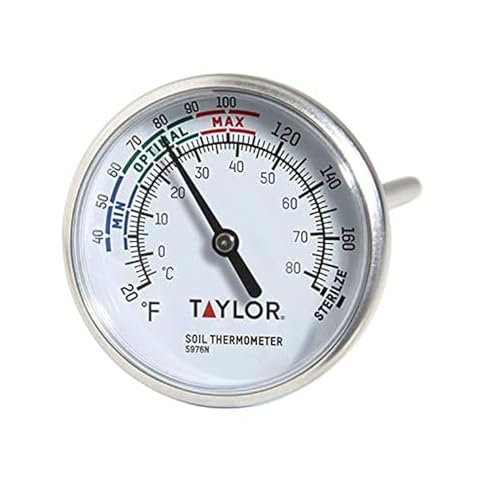
PRECISE SOIL TEMPERATURE READINGS: Measures soil temperatures from 20 degrees F to 180 degrees F (0 degrees C to 80 degrees C) with a large, easy-to-read analog dial face - no batteries or digital screens needed for reliable results every time

Easy-to-read green, yellow, and red tick marks for easy monitoring

DURABLE CONSTRUCTION: Solid 20 inch (508 mm) 0.2 inch (5mm) diameter stem; reinforced welded bolt between dial and stem for long-lasting operation and conditions; high quality 304 stainless steel
Effects of Temperature Extremes on Green Beans
When it comes to green beans, extreme temperatures can have a significant impact on their growth and overall development. Here’s what you need to know about the effects of temperature extremes on these warm-season vegetables:
- High Temperatures:
- Excessive heat can cause stress to green bean plants, leading to reduced fruit set and poor pod development.
- Flowers may drop prematurely when temperatures rise above 90°F (32°C), impacting the bean production.
- Low Temperatures:
- Green beans are sensitive to cold temperatures, which can result in stunted growth and yellowing of leaves.
- Frost damage can be particularly harmful, causing wilting and damage to plant tissues.
- Ideal Temperature Range:
- Green beans thrive in temperatures between 70-85°F (21-29°C), ensuring optimal growth and productivity.
Understanding how temperature extremes affect green beans is crucial for successful cultivation. By being mindful of these temperature considerations, you can maximize your green bean harvest.
Recommended Products

STYLISH MAX MIN THERMOMETER - Digital display garden maximum minimum thermometer showing high, low and current temperatures

STYLISH THERMO HYGROMETER - Gilt dial maximum minimum thermometer showing high, low and current temperatures and hygrometer for current humidity levels.

This temperature gauge, dedicated for charcoal grills, fits and can be easily installed on all sizes of Big Green Egg grills, including Mini, Mini-max, Small, Medium, Large, XL and 2XL, etc.
Monitoring Temperature for Green Beans
To ensure optimum growth and yield for your green beans, it’s crucial to monitor the temperature consistently. Here are some tips to help you with temperature monitoring:
- Use a Thermometer: Invest in a quality soil thermometer to accurately gauge the temperature at root level, which is vital for green bean development.
- Track Day and Night Temperatures: Green beans are sensitive to fluctuations in temperature. Keep tabs on both daytime highs and nighttime lows to get a comprehensive view of the conditions.
- Consider Microclimates: Different areas of your garden may have varying temperatures due to factors like sun exposure or proximity to structures. Be mindful of these microclimates when monitoring.
- Utilize Weather Apps: Stay updated on the weather forecast in your area. Many weather apps provide hourly temperature updates, helping you plan your green bean care accordingly.
- Protect from Extremes: If temperatures are forecasted to be outside the ideal range, consider using shade cloth to shield your green beans from scorching heat or providing coverings during frosty nights.
- Adjust Watering: Temperature impacts your green beans’ watering requirements. Hot weather may dry out the soil faster, while cool temperatures might result in excess moisture. Monitor soil moisture levels to adapt your watering routine.
Keeping a close eye on the temperature and making necessary adjustments will go a long way in cultivating healthy and thriving green beans.
Recommended Products
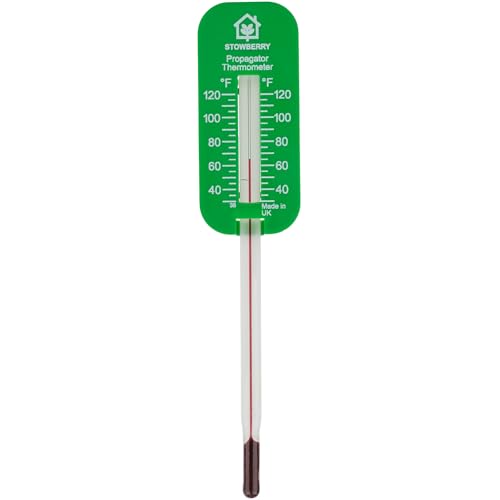
ACCURATE SOIL TEMPERATURE READINGS – Ensure the perfect growing environment for seeds and plants with this greenhouse soil thermometer, designed to give reliable and precise temperature measurements.
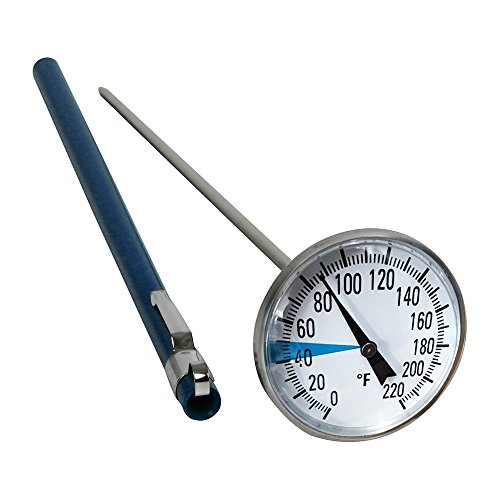
PRACTICAL SOLUTION - While other Soil Thermometers can’t tell the correct temperature, fogs up, and get broken easily, our soil thermometer has high precision performance, high-visibility, and is designed to last

Easy Compost & Soil Temperature Monitoring—Monitor compost activity and soil conditions with the easy-read color dial featuring Warm, Active, and Hot temperature zones. Designed for everyday composting, gardening, and seed starting projects.
Conclusion
Monitoring temperature is crucial for the successful growth of green beans. By using tools like a soil thermometer, keeping tabs on day and night temperatures, and considering microclimates, you can optimize your bean plants’ development. Weather apps can aid in forecasting temperature changes, allowing you to protect your plants from extreme conditions. Remember to adjust watering according to temperature fluctuations to support healthy green bean growth. With these strategies in place, you’ll be well-equipped to cultivate a bountiful harvest of vibrant green beans.
Frequently Asked Questions
Why is monitoring temperature crucial for green beans?
Monitoring temperature is vital for green beans because it directly impacts plant growth and yield. Green beans have specific temperature requirements for germination, flowering, and fruit development. By tracking temperatures, growers can ensure optimal conditions for plant health and productivity.
How can I monitor temperature for green beans effectively?
You can monitor temperature for green beans by using a soil thermometer to check soil temperature, tracking both day and night temperatures to understand overall trends, considering microclimates in your garden that may affect temperatures, utilizing weather apps for accurate forecasts, protecting plants from extreme temperatures with shading or coverings, and adjusting watering practices based on temperature conditions to support plant growth.
