

Importance of Proper Depth for Carrots in Raised Garden Beds
When it comes to growing carrots in your raised garden bed, the depth of your bed plays a crucial role in the success of your harvest.
Recommended Products

COMPATIBLE WITH DEWALT 20V MAX POWER SYSTEMS (TOOL ONLY): Locks securely with standard 20V MAX cordless platforms (DCB200, DCB204, DCB205, DCB206, etc.). This cordless garden tiller expands your toolkit without the extra cost of heavy power sources or chargers, saving you money on outdoor gear


【SEED SPACING】12 tapered spikes set exactly 1 inch apart make evenly spaced holes for seed planting in one press for consistent row seeding.
Why Depth Matters
- Carrots need deep soil for their roots to develop fully.
- Insufficient depth can result in stunted growth and misshapen carrots.
- Adequate depth allows the roots to penetrate easily, leading to straight and uniform carrots.
Ideal Depth for Carrots
- 12 inches is generally recommended as the ideal depth for raised garden beds for carrots.
- Deeper beds, around 18 inches, can accommodate longer carrot varieties.
Testing Depth
- Ensure your soil depth is sufficient by digging down into the bed to the recommended depth.
- Use a measuring tool to confirm that the soil is deep enough for healthy carrot growth.
Deep vs. Shallow Beds
- Shallow beds restrict root growth and can lead to deformed carrots.
- Deeper beds provide ample space for carrots to grow long and straight.
Soil Quality
- The depth of your raised bed also impacts soil quality and moisture retention.
- Astute attention to depth contributes to nutrient-rich soil essential for growing carrots successfully.
- Proper depth in raised garden beds is vital to successfully cultivating carrots.
- Paying attention to the ideal depth and soil quality will lead to a bountiful carrot harvest.
Factors to Consider When Determining Depth for Carrots
When deciding on the depth of your raised garden bed for growing carrots, there are a few key factors you should keep in mind. Here’s what you need to consider:
- Carrot Variety: Different carrot varieties have varying root lengths. Shorter varieties can do well in shallower beds, while longer carrot types require deeper soil to grow straight and healthy.
- Soil Quality: The quality of soil in your raised garden bed can also influence how deep it needs to be for carrots. Loose, well-draining soil allows carrots to grow longer and more uniformly compared to compacted or clay-like soil.
- Moisture Retention: Deeper beds can provide better moisture retention, which is crucial for carrot growth. Inadequate moisture can result in cracked or forked carrots, so a bed deep enough to hold sufficient water is essential.
- Root Growth: The ideal depth of a raised garden bed for carrots ensures that the roots have enough space to grow without constraints. Restricting root growth due to shallow soil can lead to deformed and undersized carrots.
- Temperature Regulation: A deeper bed can also help with temperature regulation, protecting the carrots’ roots from extreme heat or cold that may affect their growth.
Remember to take into account these factors when determining the depth of your raised garden bed for carrots to maximize your harvest.
| Key Factors for Carrot Bed Depth |
|---|
| Carrot Variety |
| Soil Quality |
| Moisture Retention |
| Root Growth |
| Temperature Regulation |
Recommended Depth for Growing Carrots in Raised Garden Beds
When it comes to growing carrots in raised garden beds, the depth of your bed is key. For the best results, consider the following guidelines:
- Carrot Varieties:
- Shorter varieties need a depth of 6-8 inches.
- Longer types like Imperator carrots require 12-18 inches for their roots to stretch and grow straight.
- Soil Quality:
- Opt for loose, well-draining soil rich in organic matter.
- Aim for a pH level of 6.0-6.8 for optimal growth.
- Moisture Retention:
- Regular watering is crucial to prevent stunted or forked carrots.
- Mulch the bed to help retain moisture and regulate soil temperature.
- Root Growth:
- Adequate depth promotes straight and uniform carrot growth.
- Compact or rocky soils can cause deformities, affecting the overall harvest.
- Temperature Regulation:
- Deep beds provide better insulation for carrots during extreme weather conditions.
- Consider companion planting to shade the soil and maintain even temperatures.
By keeping these factors in mind, you can maximize your carrot harvest in raised garden beds. Experiment with different depths based on the carrot variety and observe how they respond to find the ideal depth for your garden.
Recommended Products

Ready-to-Use Formula: No mixing or extra steps required. Simply pour and plant - perfect for gardeners of all experience levels.


100% MADE IN USA Instant raised garden bed for all plants READY TO GO OUT OF THE BOX no assembly
Tips for Maintaining the Ideal Depth for Carrots
When it comes to growing carrots in raised garden beds, ensuring the optimal depth is essential for a bountiful harvest. Here are some practical tips to help you maintain the ideal depth for your carrots:
- Regular Monitoring: Keep a close eye on your carrot seedlings as they grow. Adjust the depth of your raised bed as needed to accommodate their development.
- Staggered Planting: Consider staggering your carrot plantings by a few weeks. This way, you can experiment with different depths to see which works best for each variety.
- Seedling Thinning: Thin out overcrowded seedlings to give each carrot plant ample space to develop its roots. This can help prevent overcrowding and ensure proper growth.
- Soil Amendments: Periodically check the soil quality in your raised bed. Consider adding compost or organic matter to maintain nutrient levels for healthy carrot growth.
- Mulching: Apply a layer of mulch around your carrot plants to help retain moisture, especially during hot and dry periods. This can aid in regulating soil temperature and promoting healthy root development.
- Protection from Pests: Implement measures to protect your carrot crop from pests that may disrupt growth. Consider using natural pest control methods to safeguard your plants.
- Temperature Control: Be mindful of temperature fluctuations in your garden. Create microclimates within your raised bed to ensure consistent soil temperatures for optimal carrot growth.
By following these simple guidelines and staying attentive to your carrot plants’ needs, you can maintain the ideal depth in your raised garden bed for successful carrot cultivation.
Recommended Products
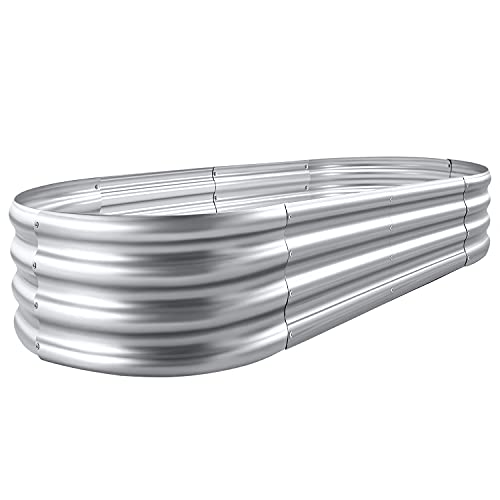
Each raised metal garden bed size: 4×2×1ft ,7.14Cu


Fabric Raised Garden Bed: Made of superior breathable felt fabric, built thick and sturdy, UV resistant, that provides exceptional air flow throughout the soil and root systems and allows excess moisture to easily drain away
Conclusion
You now understand the key factors for growing carrots in raised garden beds. By maintaining the proper depth and implementing the suggested strategies, you can set the stage for a bountiful carrot harvest. Remember to keep a close eye on your plants, make necessary adjustments, and provide the care they need. With these insights, you’ll be well-equipped to create an ideal environment for your carrots to thrive. Happy gardening!
Frequently Asked Questions
What is the key importance of maintaining the ideal depth for growing carrots in raised garden beds?
Maintaining the ideal depth ensures proper root development and optimal conditions for carrot growth, resulting in a successful harvest.
How often should I monitor the depth of carrot plantings in raised garden beds?
Regular monitoring, preferably weekly, is essential to adjust the depth and address any issues promptly for healthy carrot growth.
Why is it important to stagger plantings of carrots in raised garden beds?
Staggering plantings allows for a continuous harvest and prevents an overwhelming yield at once, ensuring a steady supply of fresh carrots.
When should I thin carrot seedlings in raised garden beds?
Thinning carrot seedlings early, when they are about 2 inches tall, helps prevent overcrowding, allowing the remaining plants to develop properly.
What is the role of amending soil in growing carrots in raised garden beds?
Amending soil with compost or well-aged manure provides essential nutrients and improves soil structure, creating a favorable environment for carrot growth.
How does mulching help with growing carrots in raised garden beds?
Mulching conserves moisture, suppresses weeds, and maintains consistent soil temperatures, promoting healthy growth and reducing maintenance efforts.
How can mulch provide pest protection for carrot plants in raised garden beds?
Mulch acts as a barrier against pests like carrot rust flies and also promotes beneficial insect populations that help control pest infestations naturally.
Why is temperature control important for growing carrots in raised garden beds?
Maintaining optimal soil temperatures promotes healthy root development and prevents stress on carrot plants, ensuring successful growth and a bountiful harvest.
