

Ever wondered why your green beans struggle to thrive in that sticky, humid climate? Picture this: your green bean plants, wilting despite your efforts. In this article, we’ll uncover the challenges faced when growing green beans in humid conditions.
Have you found yourself battling pests and diseases that seem to flourish in the dampness? We’ve all been there. This article will guide you through these common hurdles and offer solutions to help your green beans flourish despite the moisture.
Potential Challenges of Growing Green Beans in Humid Climates
When growing green beans in humid climates, you may encounter the following challenges:
- Increased Pests: Humidity provides the perfect environment for pests to thrive, such as aphids, mites, and whiteflies, which can attack your green bean plants.
- Disease Risk: Moist conditions in humid climates can lead to the development of fungal diseases like powdery mildew and downy mildew, affecting the health of your green bean crop.
- Poor Air Circulation: High moisture levels can impede air circulation around your green bean plants, potentially leading to issues like wilting and mold growth.
- Nutrient Depletion: Excessive humidity can speed up the depletion of nutrients in the soil, impacting the growth and overall health of your green beans.
To address these challenges, it’s important to take proactive steps to protect your green bean plants in humid conditions.
Impact of Humidity on Green Bean Growth
In humid climates, green bean plants face increased challenges due to the moisture-rich environment. Here’s how humidity affects the growth of green beans:
- Pest Infestation: Aphids and mites thrive in humid conditions, posing a threat to green bean plants.
- Risk of Fungal Diseases: Powdery mildew is a common issue in humid climates, affecting the health of green beans.
- Poor Air Circulation: Humidity can lead to wilting and mold growth due to the lack of proper airflow around the plants.
- Nutrient Depletion: Excessive moisture can deplete nutrients in the soil, impacting the overall growth and development of green beans.
To combat these challenges, proactive measures are key to safeguarding your green bean plants in humid climates.
Common Pests and Diseases in Humid Conditions
Challenges Await
Dealing with common pests and diseases can be a real struggle when growing green beans in humid climates.
Aphids and Mites Infestation
Humidity attracts these tiny troublemakers, causing harm to your green bean plants.
Fungal Diseases (e.g., Powdery Mildew)
Moisture in the air promotes the growth of fungi, leading to diseases like powdery mildew affecting your crop.
Poor Air Circulation
In humid conditions, proper airflow becomes a challenge, leaving your plants vulnerable to wilting and mold growth.
Nutrient Depletion
The excess moisture can wash away essential nutrients from the soil, impacting the health of your green beans.
Stay Alert
Keep an eye out for signs of infestation or symptoms of diseases to act swiftly and protect your green bean plants.
Proactive Measures
Implement preventative strategies like using natural remedies, practicing crop rotation, and maintaining good soil drainage to combat these challenges effectively.
| Key Points | |
|---|---|
| Aphids and mites infestation | High |
| Fungal diseases | Risk |
| Poor air circulation | Issue |
| Nutrient depletion | Concern |
Recommended Products
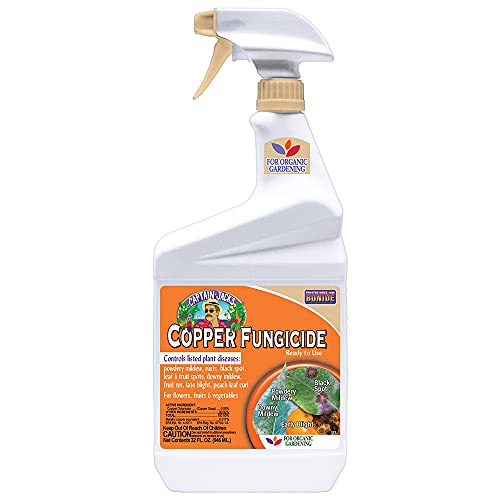
Control fungus and disease in your garden with Captain Jack’s ready-to-use Liquid Copper Fungicide!

POWERFUL MILDEW REMOVER: Destroys mildew and eliminates tough stains with bleach. Ideal for use as a bathroom mildew cleaner and on kitchen surfaces for a deep clean every time.

BROAD-SPECTRUM PLANT FUNGICIDE FOR GARDEN USE: Helps prevent and control powdery mildew, blight, leaf spot, black spot, and crown rot on houseplants, vegetables, and ornamentals. Food-grade citric acid formula works throughout the growing cycle. Safe for use on edible crops.
Strategies for Preventing and Managing Pest Infestations
When it comes to protecting your green beans from pest infestations in a humid climate, implementing proactive strategies is key. Here are some effective methods to help you combat common pests:
- Regular Inspection: Make it a habit to check your plants periodically for any signs of pest activity. Look out for aphids, mites, and other pests that thrive in humid conditions.
- Companion Planting: Consider planting repellent crops near your green beans to deter pests. Plants like marigolds and garlic can act as natural barriers against invaders.
- Organic Pest Control: Opt for natural remedies such as neem oil or insecticidal soap to combat pests without harming beneficial insects or the environment.
- Good Hygiene Practices: Keep your garden area clean and free of debris to eliminate potential hiding spots for pests. This simple step can reduce the risk of infestations.
- Physical Barriers: Use row covers or netting to protect your green beans from airborne pests while still allowing air and light to reach the plants.
- Early Intervention: Address pest issues promptly as soon as you notice them to prevent widespread infestations that can severely damage your plants.
By incorporating these strategies into your gardening routine, you can safeguard your green beans from pest infestations and ensure a healthy harvest.
Recommended Products

FUNGAL DISEASE CONTROL: Prevents and controls black spot on roses, powdery mildew, rust, downy mildew, and other listed fungal diseases when applied on a 7–14 day schedule

Protect your oasis with 3 garden products in 1 from Captain Jack’s; Bonide Captain Jack’s Ready-to-Use Neem Oil spray for plants is a multi-purpose fungicide, insecticide and miticide for your lawn & garden

READY-TO-USE CONTACT SPRAY: No mixing required. Thoroughly spray insecticide on all plant parts, including the underside of leaves. Pests must be sprayed directly to achieve control
Conclusion
Growing green beans in humid climates presents unique challenges, particularly when it comes to pest management. By implementing proactive strategies like regular inspection, companion planting, organic pest control methods, maintaining garden hygiene, using physical barriers, and addressing pest issues promptly, you can safeguard your green bean crop and boost your chances of a bountiful harvest. Remember, with the right approach and a little extra care, you can overcome these challenges and enjoy the rewards of growing your own delicious green beans in a humid climate. Happy gardening!
Frequently Asked Questions
How can I prevent pest infestations when growing green beans in humid climates?
To prevent pest infestations when growing green beans in humid climates, regularly inspect your plants for pests like aphids and mites, practice companion planting with repellent crops, use organic pest control methods such as neem oil, maintain good hygiene in your garden, employ physical barriers like row covers, and address pest issues promptly to minimize damage.
What are some effective strategies for managing pests in a green bean garden?
Effective strategies for managing pests in a green bean garden include regular inspection for pests, companion planting with repellent crops, using organic pest control methods like neem oil, maintaining good garden hygiene, utilizing physical barriers such as row covers, and addressing pest issues promptly to prevent extensive damage to the plants.
