

Understanding Iron Deficiency in Green Beans
Iron deficiency in green beans can lead to poor growth and yellowing leaves due to the lack of iron. This essential nutrient is crucial for the formation of chlorophyll, which is responsible for the plant’s green color. Without enough iron, green beans struggle to perform crucial processes like photosynthesis efficiently.
In iron-deficient green beans, you may notice pale or yellow leaves, stunted growth, and decreased yield. The lack of iron hinders the plant’s ability to transport electrons, impacting its overall health. Understanding the signs of iron deficiency is essential to address the issue promptly.
To remedy iron deficiency in green beans, consider fertilizing with iron-based products or amending the soil with organic matter rich in iron. Additionally, adjusting the soil pH to the optimal range can improve iron uptake by the plants. Remember to follow the recommended application rates to avoid over-fertilization.
Maintaining proper soil drainage is also crucial in preventing iron deficiency in green beans. Waterlogged soil can limit the plant’s uptake of iron, so ensure adequate drainage to promote healthy root development. Regularly monitor your green beans for any signs of nutrient deficiencies and take timely action to support their growth.
Identifying Symptoms of Iron Deficiency
When checking your green bean plants for iron deficiency, keep an eye out for these telltale signs:
- Pale or yellow leaves
- Stunted growth
- Reduced yield
If you notice these symptoms, it’s essential to take action promptly to address the iron deficiency issue in your green beans.
Remember, identifying these symptoms early can help you implement the necessary steps to ensure the healthy growth of your green bean plants.
Best Practices for Treating Iron Deficiency
To tackle iron deficiency in your green beans effectively, consider the following best practices:
- Use Iron-Fortified Fertilizers: Opt for fertilizers specifically formulated to combat iron deficiency in plants. Look for products labeled as “iron chelates” for efficient absorption.
- Apply Organic Matter Rich in Iron: Incorporate compost or manure high in iron content into the soil to boost iron levels and support plant health.
- Adjust Soil pH Levels: Ensure optimal pH (around 6.5) for green beans to enhance iron availability. Test your soil regularly and use amendments as needed to balance pH levels.
- Monitor Drainage: Check for adequate drainage in your soil to prevent waterlogged conditions that can hinder iron uptake by the plants.
- Early Detection is Key: Keep a close eye on your green beans for early signs of iron deficiency, such as pale or yellow leaves, to take prompt remedial actions.
With these best practices, you can effectively address and prevent iron deficiency issues in green beans, promoting healthy growth and optimal yield.
Recommended Products

GOODBYE YELLOW, HELLO LUSH GREEN LEAVES - Put an end to the frustration of yellowing leaves. Our EDDHA chelated iron for plants is specially formulated to tackle iron deficiency, rejuvenating your plants and restoring their leaves to their beautifully natural lush green color

GOODBYE YELLOW, HELLO LUSH GREEN LEAVES - Grow More iron chelate for plants is rich in organic ingredients, formulated to swiftly banish the yellowing leaves due to iron deficiency. Quickly notice the restoration of your plants' natural green color
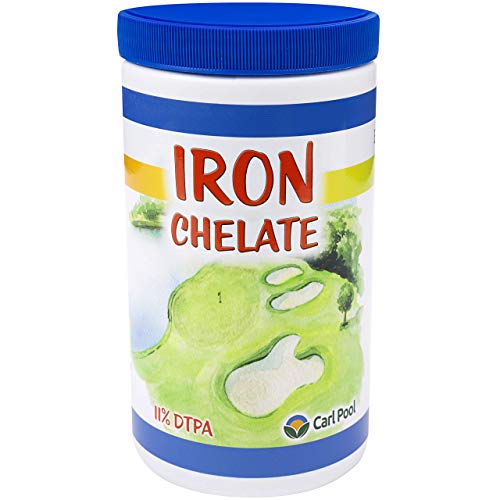
Feeds Through Roots and Leaves
Supplementing Iron in Green Beans
Iron deficiency in your green beans can impact their growth and yield. To tackle this issue effectively, supplementing iron is crucial. Here are some practical steps to help you address iron deficiency in your green beans:
- Choose the Right Fertilizer: Opt for iron chelate fertilizers specifically formulated to combat iron deficiency in plants like green beans.
- Application Method: Follow the instructions on the fertilizer label for the correct application method and dosage.
- Timing: Apply the iron-fortified fertilizer as recommended, ensuring it reaches the plants when they need it most.
- Monitor Progress: Keep an eye on your green beans after supplementation to track improvements in growth and leaf color.
- Consider Soil pH: Maintain the soil pH at around 6.5, as this helps improve iron availability to the plants.
- Prevent Waterlogging: Ensure proper drainage in your garden to prevent waterlogging, which can hinder iron uptake by the plants.
- Regular Maintenance: Incorporate iron-rich organic matter like compost into the soil regularly to support healthy iron levels in your green beans.
Implementing these steps will go a long way in boosting iron levels in your green beans and promoting healthy growth and robust yield.
Recommended Products

GOODBYE YELLOW, HELLO LUSH GREEN LEAVES - Grow More iron chelate for plants is rich in organic ingredients, formulated to swiftly banish the yellowing leaves due to iron deficiency. Quickly notice the restoration of your plants' natural green color

Nothing greens and grows like Ironite lawn fertilizer

1 Gallon Jug
Conclusion
Ensuring adequate iron levels in green beans is vital for optimal growth and yield. By supplementing with iron chelate fertilizers, following proper application techniques, monitoring progress, and maintaining soil pH, you can address iron deficiency effectively. Additionally, preventing waterlogging and incorporating iron-rich organic matter like compost are key steps to boost iron levels in your green beans. These practices contribute to healthy plant development and vibrant, productive green bean plants. Remember, a little extra care in iron supplementation goes a long way in ensuring your green beans thrive.
Frequently Asked Questions
Why is iron deficiency a concern in green beans?
Iron deficiency in green beans can lead to poor growth and yellowing leaves due to insufficient iron for chlorophyll formation.
How can I address iron deficiency in green beans?
Supplementing iron by choosing iron chelate fertilizers, following proper application methods and timing, monitoring progress, maintaining soil pH at 6.5, preventing waterlogging, and incorporating iron-rich organic matter like compost are essential steps.
What benefits do these practices provide?
These practices help boost iron levels in green beans, ensuring healthy growth and maximizing yield.
