

Have you ever noticed yellow leaves on your green bean plants and wondered what’s going on? It can be frustrating to see your plants not looking their best, but don’t worry, you’re not alone in facing this issue. Dealing with yellow leaves on green bean plants is a common challenge that many gardeners encounter.
In this article, you’ll discover practical tips and solutions to help you address the problem of yellow leaves on your green bean plants. By understanding the causes behind this issue and learning how to tackle it effectively, you’ll be able to nurture healthier and more vibrant green bean plants in your garden. Say goodbye to yellow leaves and hello to thriving green bean plants with the guidance you’ll find here.
Understanding the Causes of Yellow Leaves
Green bean plants with yellow leaves can be indicative of various underlying issues affecting their health. By understanding the reasons behind this common problem, you can take targeted action to restore your plants to their vibrant green state.
- Overwatering: Too much water can lead to yellowing leaves due to root rot. Ensure proper drainage for your plants.
- Nutrient Deficiencies: Yellow leaves may signal a lack of essential nutrients like nitrogen, iron, or magnesium. Consider using a balanced fertilizer.
- Pests and Diseases: Insects such as aphids or diseases like powdery mildew can cause leaves to yellow. Monitor your plants regularly for signs of infestation.
- Environmental Stress: Extreme temperatures, excessive sunlight, or poor soil quality can also contribute to yellowing leaves. Provide suitable conditions for optimal growth.
- Improper pH Levels: Green beans prefer slightly acidic soil. Test your soil and adjust pH if necessary to promote healthy foliage.
Understanding these key factors can help you pinpoint the specific cause of yellow leaves on your green bean plants and take the necessary steps to address them effectively.
Identifying Common Pests and Diseases
When dealing with yellow leaves on your green bean plants, it’s important to recognize that pests and diseases can also be culprits. Here are some common ones to watch out for:
- Aphids:
- These tiny insects feed on plant sap, causing leaves to yellow and distort.
- Spider Mites:
- They suck the juices from leaves, leading to stippling and yellowing.
- Whiteflies:
- These pests leave honeydew on leaves, promoting sooty mold growth.
- Bean Leaf Beetles:
- They eat away at the foliage, resulting in yellow patches and holes.
- Fungal Diseases (e.g., Powdery Mildew):
- Fungi can cause yellow spots and a powdery coating on leaves.
To determine if pests or diseases are the issue:
- Inspect the undersides of leaves for bugs or eggs.
- Look for characteristic damage patterns mentioned above.
Recommended Products

PROVEN - 3rd party lab tested during a 12 month field test conducted in a multi-story govermnet facility and health facility
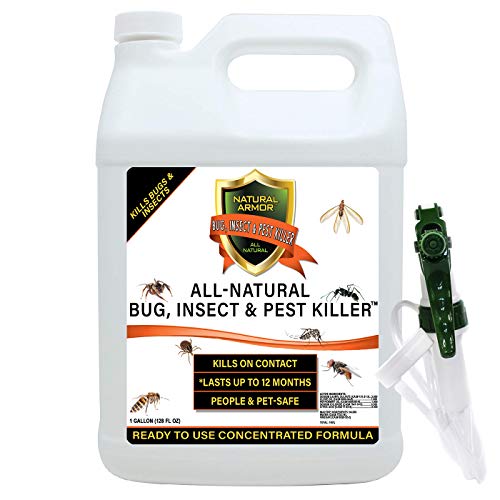
REPELS FAST FOR UP TO 12 MONTHS- Ants, Bed Bugs, Cockroaches, Dust Mites, Earwigs, Fleas, Roaches, Spiders, Stink Bugs, Ticks & Common Household Bugs

READY-TO-USE APPLICATOR: Apply this bed bug spray for homes using the included Comfort Wand to target tight and hard-to-reach places where bed bugs hide
Implementing Proper Watering Techniques
When it comes to yellow leaves on green bean plants, proper watering plays a crucial role in maintaining plant health. Here are some guidelines to help you optimize your watering practices:
- Watering Frequency: Regular but moderate watering is key. Avoid both underwatering and overwatering, as extremes can stress the plants.
- Checking Soil Moisture: Stick your finger into the soil to check for moisture. Water when the top inch of soil feels dry.
- Water in the Morning: Watering in the morning allows the plants to absorb moisture throughout the day and reduces the risk of foliage remaining wet overnight.
- Root Watering: Focus on watering the base of the plants to ensure the roots receive sufficient moisture.
- Mulching: Applying mulch around the plants helps retain soil moisture, reducing the frequency of watering.
Proper watering techniques can prevent yellow leaves caused by water stress and contribute to healthy green bean plants in your garden.
Recommended Products

✔️Accurate - A helpful tool of water meter for indoor plants which senses the moisture in the soil around plants. No more guess if the plant needs more or less water
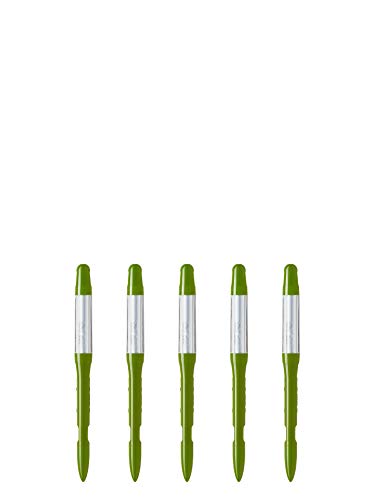
Dimensions: 0.4 x 0.3 x 4.7 inches (small) - Intended for pot sizes of 2, 2.5, and 3 - Ideal for small succulents

Dimensions: 7.09 x 0.39 x 0.31 inches (medium) - Intended for pot sizes of 3.5, 4, 5, and 6
Adjusting Sunlight and Temperature Exposure
When dealing with yellow leaves on green bean plants, consider Adjusting Sunlight and Temperature Exposure to promote plant health. Here’s how you can effectively manage these factors:
- Sunlight Exposure:
- Ensure your green bean plants receive adequate sunlight for healthy growth and development.
- Monitor their exposure and adjust as needed to prevent excessive sunburn or inadequate light levels that can lead to yellowing leaves.
- Temperature Regulation:
- Maintain optimal temperatures for green beans, typically between 70°F and 80°F.
- Protect plants from extreme heat to prevent stress that can result in yellow leaves.
By carefully managing sunlight and temperature, you can help your green bean plants thrive and minimize the risk of yellowing leaves.
Tips for Fertilizing and Nutrient Management
When it comes to fertilizing your green bean plants and managing nutrients, it’s essential to provide them with the right balance of elements for healthy growth. Here are some tips to help you maintain the well-being of your plants:
- Choose a balanced fertilizer with equal parts of nitrogen, phosphorus, and potassium to support overall plant health.
- Avoid over-fertilizing, as this can lead to nutrient imbalances and potential harm to your plants.
- Apply fertilizers according to the instructions on the product label to prevent issues like burning or nutrient deficiencies.
- Consider using organic fertilizers to promote long-term soil health and microbial activity around your green bean plants.
- Regularly monitor the soil pH to ensure it falls within the optimal range of 6.0 to 7.0 for green beans.
Remember, nutrient management plays a crucial role in the development of your plants. By following these tips, you can provide your green bean plants with the essential nutrients they need to thrive.
Recommended Products

100% Plant and Mineral Based. Safe and Sustainable — No Synthetic Chemicals or Factory-Farmed Animal Waste Inside.

Safe for the Environment: Non-toxic and safe for beneficial insects, pollinators, pets, and the surrounding ecosystem, promoting a healthier garden environment.

🫘 FORMULATED FOR ALL GREEN BEAN VARIETIES – Gardenera LIQUID POWER Green Beans Fertilizer supports explosive vine growth, flowering, and crisp pod production for bush beans, pole beans, string beans, and snap beans.
Conclusion
Remember, adjusting sunlight and temperature exposure is key to preventing yellow leaves on your green bean plants. Proper fertilizing and nutrient management play a crucial role in ensuring your plants receive the essential nutrients they need for healthy growth. By providing a balanced fertilizer, avoiding over-fertilization, following product instructions, considering organic options, and monitoring soil pH levels, you can help your green bean plants thrive. Stay attentive to their needs and make adjustments as necessary to maintain their vitality and promote optimal development. Your efforts in nutrient management will pay off in the form of vibrant, green leaves on your green bean plants.
Frequently Asked Questions
How can I prevent yellow leaves on my green bean plants?
To prevent yellow leaves on green bean plants, adjust sunlight exposure and temperature, ensuring they receive adequate but not excessive light and warmth.
What are some tips for fertilizing green bean plants?
When fertilizing green bean plants, use a balanced fertilizer, follow product instructions carefully, avoid over-fertilization, consider organic options, and monitor soil pH levels regularly.
Why is proper nutrient management important for green bean plants?
Proper nutrient management is essential for green bean plants to ensure they receive the necessary nutrients for healthy growth, development, and vitality.
