

Ever wondered why your green beans sometimes turn out disappointingly hollow? Picture this: you’re excited to cook up a delicious meal, only to find your green beans lacking in substance. Fret not, as we’ve got you covered! In this article, we’ll delve into the root causes of hollow green beans and share practical tips on how to prevent this culinary conundrum.
Have you ever encountered green beans that seem more air than veggie, leaving you scratching your head in confusion? You’re not alone! Understanding the reasons behind this common kitchen issue can save you from future cooking mishaps. Join us as we uncover the secrets to ensuring your green beans are plump, flavorful, and free from hollowness.
Understanding the Phenomenon of Hollow Green Beans
Imagine eagerly preparing a fresh batch of green beans for dinner, only to find them disappointingly hollow when you take that first bite. Hollow green beans are a common issue that can leave you wondering about the cause behind this culinary conundrum.
Reasons for Hollow Green Beans
- Rapid Growth: When green beans grow too quickly, they may not have enough time to develop fully, resulting in hollowness.
- Insufficient Pollination: Improper pollination can lead to underdeveloped beans that lack the necessary structure.
- Nutrient Deficiency: Inadequate nutrients in the soil can impact the bean’s growth and result in hollowness.
- Choose the Right Variety: Opt for stringless varieties known for their plump and full beans.
- Proper Watering: Ensure consistent watering to promote steady growth and development.
- Check Soil Quality: Test the soil to confirm it has the necessary nutrients for healthy bean growth.
Keep these factors in mind to enjoy delicious, plump green beans in your meals.
Common Causes of Hollow Green Beans
If you find yourself harvesting hollow green beans, it’s essential to understand the common reasons behind this issue to tackle it effectively. Here are some factors that may be contributing to the hollowness in your beans:
- Rapid Growth: Beans growing too quickly often result in hollowness due to the plant prioritizing speed over bean development.
- Insufficient Pollination: Poor pollination can lead to underdeveloped seeds inside the beans, causing them to be hollow.
- Nutrient Deficiency: Lack of essential nutrients in the soil can impact the bean’s growth and development, resulting in hollowness.
To ensure your green beans grow plump and delicious, it’s crucial to address these common causes effectively.
Lack of Proper Nutrition
When green beans don’t receive adequate nutrients, they can develop hollow spaces inside. Here’s how to ensure your green beans are well-nourished:
- Fertilize appropriately: Use a balanced fertilizer specifically for vegetables, following the package instructions.
- Check soil pH levels: Green beans prefer slightly acidic soil around pH 6.0-6.8; you can adjust pH levels with suitable amendments.
- Avoid over-fertilization: Too much fertilizer can lead to excessive vegetative growth, affecting bean development.
- Mulch the soil: Mulching helps retain moisture, regulate soil temperature, and gradually release nutrients to the plants.
- Regular watering: Consistent watering is crucial for nutrient uptake; aim for about 1-1.5 inches of water per week, especially during dry periods.
Poor Growing Conditions
When it comes to hollow green beans, poor growing conditions play a significant role. Inadequate nutrient levels in the soil can result in underdeveloped beans with hollow spaces inside. Factors such as imbalanced pH levels, excessive fertilization, and inconsistent watering can all contribute to this issue.
Imbalanced pH Levels
Soil pH that is too high or too low can hinder the plant’s ability to absorb essential nutrients, leading to the formation of hollow beans. To prevent this, test your soil regularly and adjust pH levels as needed to maintain optimal conditions for green bean growth.
Excessive Fertilization
While fertilizers are essential for plant growth, over-fertilizing can have negative consequences. Excessive nutrients can disrupt the balance and uptake of essential elements, affecting the development of healthy, solid green beans. Follow fertilization guidelines to avoid this issue.
Inconsistent Watering
Proper hydration is crucial for nutrient uptake in green beans. Inconsistent watering habits can lead to irregular growth and nutrient distribution, resulting in hollow beans. Establish a watering routine to ensure your plants receive adequate moisture throughout their growth stages.
By addressing these Poor Growing Conditions and maintaining a balance in your green bean cultivation practices, you can reduce the occurrence of hollow green beans and promote robust growth in your harvest.
Pests and Diseases
- Common pests that can affect green beans include aphids, bean beetles, and thrips.
- To tackle aphid infestations, introduce natural predators like ladybugs or use insecticidal soap.
- Bean beetles can be manually removed from plants or controlled with neem oil.
- Thrips can be managed with insecticidal sprays or by improving plant hygiene.
- Diseases such as bacterial blight and powdery mildew can also cause hollow spots in green beans.
- Practice crop rotation to reduce disease pressure in your bean plants.
- Ensure good air circulation around plants to prevent fungal diseases.
- Use disease-resistant bean varieties to minimize the risk of infections.
| Fact | Data |
|---|---|
| Common pests | Aphids, bean beetles, thrips |
| Disease examples | Bacterial blight, powdery mildew |
| Prevention methods | Natural predators, insecticidal soap, neem oil, crop rotation, air circulation, disease-resistant varieties |
Ways to Prevent Green Beans from Turning Hollow
When it comes to preventing green beans from turning hollow, there are several effective strategies you can implement in your garden. Here are some practical tips to help you maintain healthy green beans:
- Plant Disease-Resistant Varieties: Opt for varieties of green beans that are resistant to common diseases that can lead to hollow spots.
- Implement Crop Rotation: Rotate your crops regularly to minimize the buildup of disease-causing organisms in the soil.
- Use Natural Predators: Introduce beneficial insects that prey on pests like aphids and bean beetles to keep their populations in check.
- Maintain Good Air Circulation: Ensure that your green bean plants have adequate spacing between them to promote air circulation and reduce humidity, which can lead to fungal diseases.
- Inspect Plants Regularly: Keep an eye out for signs of pests or diseases on your green bean plants and take prompt action to address any issues.
- Practice Proper Watering: Avoid overhead watering to prevent excess moisture on the leaves, which can contribute to the development of fungal diseases.
- Harvest Promptly: Harvest green beans when they are ripe to prevent them from becoming overripe and prone to developing hollow spots.
By following these preventative measures, you can safeguard your green beans against hollow spots and promote healthy growth throughout the growing season.
Recommended Products
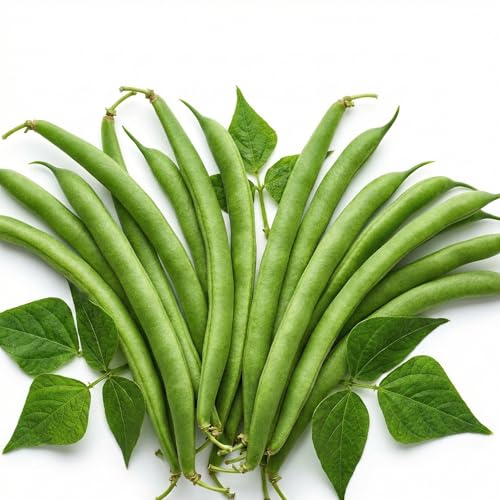
Dependable bush snap bean, Provider green bean (Phaseolus vulgaris); open-pollinated heirloom (released 1966); valued for cooler spring weather performance vs many beans; tender pods for fresh eating, freezing, and canning
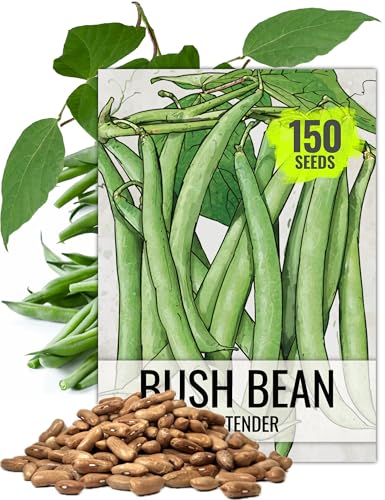
Scientific Name and Classification: Contender bush beans, scientifically known as Phaseolus vulgaris 'Contender', are a cultivar of common snap beans, belonging to the legume family Fabaceae, widely cultivated for their edible pods and seeds.

🧑🌾 Reliable Bush Bean Variety: Harvester Bush Beans produce smooth, tender green pods with a mild, classic bean flavor that works well in many kitchen dishes. The compact bush plants grow vigorously and set clusters of pods that are easy to harvest throughout the summer. A dependable choice for backyard vegetable gardens and raised beds.
Conclusion
You’ve learned about the causes of hollow green beans and effective prevention methods. By following the strategies shared in this article, you can safeguard your green beans from developing hollow spots. Remember to choose disease-resistant varieties, rotate your crops, encourage natural predators, maintain good air circulation, conduct regular plant inspections, water your plants properly, and harvest in a timely manner. These steps will help ensure that your green beans grow healthily and remain free from hollow spots throughout the growing season. Happy gardening!
Frequently Asked Questions
How can I prevent green beans from getting hollow spots?
To prevent green beans from getting hollow spots, consider planting disease-resistant varieties, practicing crop rotation, using natural predators, ensuring good air circulation, conducting regular plant inspections, employing proper watering techniques, and harvesting in a timely manner. These strategies help maintain healthy green beans during the growing season.
