

Identifying Snails and Slugs on Green Beans
When it comes to identifying snails and slugs on your green beans, keep an eye out for the following characteristics:
- Slimy trails: Look for shiny and silvery trails on your plants, especially in the morning.
- Chewed leaves: Irregular holes and damage on the leaves of your green beans can indicate the presence of these pests.
- Visible pests: You might spot the snails and slugs themselves, often feeding during the night or in damp conditions.
To effectively tackle snail and slug infestations on your green beans, it’s crucial to first identify these common garden pests.
Natural Methods to Control Snails and Slugs
Dealing with snails and slugs on your green beans can be a challenge, but there are effective natural methods to help you keep these pests at bay.
- Handpicking: Regularly handpick snails and slugs off your green beans, especially during the early morning or late evening when they are most active.
- Beer Traps: Place shallow containers filled with beer near your green beans. Snails and slugs are attracted to the yeast in the beer and will crawl in, becoming trapped.
- Copper Barriers: Create barriers using copper tape or wire around your green bean plants. When snails and slugs come into contact with copper, it gives them a mild electric shock, deterring them from crossing the barrier.
- Diatomaceous Earth: Sprinkle food-grade diatomaceous earth around the base of your green bean plants. This powder is abrasive to snails and slugs, causing dehydration and ultimately leading to their demise.
- Predatory Species: Introduce natural predators like ducks, frogs, or predatory insects to your garden. These creatures feed on snails and slugs, helping to naturally control their population.
Keeping these natural methods in mind can help you effectively manage snails and slugs on your green beans without resorting to harsh chemicals.
Recommended Products

100% Chemical-Free: Made from 8oz of food-grade freshwater diatomaceous earth with no additives or fillers. Safe for use around children, pets and farm animals when used as directed.
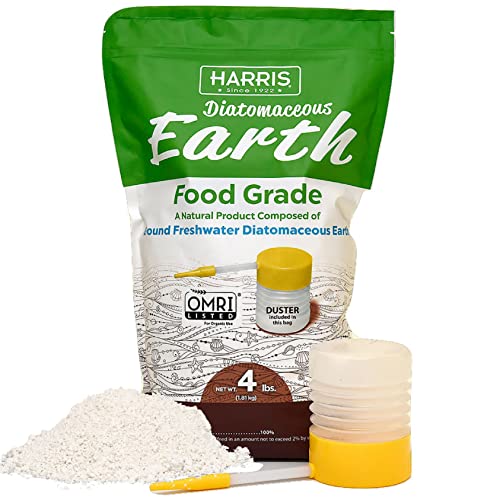
Natural Product - Composed of 4lbs of 100% ground freshwater diatomaceous earth with absolutely no additives or fillers.

✅ OMRI Listed for Organic Use – Certified by the Organic Materials Review Institute, ensuring compliance with strict organic standards for safe gardening and farming.
Creating Barriers to Protect Green Beans
When dealing with snails and slugs on your green beans, creating physical barriers can be an effective strategy. Here are some methods to consider:
- Copper Tape: Placing copper tape around the base of your plants can act as a barrier that deters these pests.
- Copper Mesh: Use copper mesh to create a physical barrier that snails and slugs are less likely to cross.
- Copper Foil: Wrapping the base of plant stems with copper foil can help protect your green beans from these slimy intruders.
By implementing these barriers, you can safeguard your green beans from snails and slugs without resorting to harsh chemicals.
Recommended Products

[EXTRA-WIDE SLUG & SNAIL BARRIER] – Protect your plants with a heavy-duty barrier. The 2-inch width provides a much larger barrier zone than standard narrow tapes, making it an incredibly effective slug and snail barrier for garden pots, raised beds, and planters

ADEQUATE COPPER FOIL TAPE - Each roll is 50mm x 10m; Wide copper foil tape can wrap the cable, machine component, connection, fan, extendable antenna, computer component fully.

Effective Slug & Snail Defense: Copper Stopper creates a powerful barrier against slugs and snails, serving as a slug repellent for garden beds in a pet-safe solution.
Using Organic Pesticides Safely
When dealing with snails and slugs on your green beans, it’s essential to use organic pesticides safely. Here are some key tips to help you effectively manage these pests without harming your plants or the environment:
- Choose the right organic pesticide: Opt for products made from natural ingredients like neem oil or pyrethrin.
- Follow the instructions: Always read and follow the manufacturer’s instructions carefully when applying organic pesticides to ensure their safe and effective use.
- Apply during the right time: Timing is crucial when using organic pesticides. Apply them during early morning or evening when the beneficial insects are less active.
- Protect yourself: Wear appropriate protective gear such as gloves, long sleeves, and eye protection when handling and applying organic pesticides.
- Store safely: Ensure that you store organic pesticides away from children, pets, and food items in a cool, dry place according to the product’s instructions.
- Monitor the effectiveness: Regularly inspect your green beans for any signs of snail or slug damage after applying organic pesticides to evaluate their efficacy.
- Consider natural alternatives: In addition to organic pesticides, companion planting with pest-repelling herbs like basil and marigold can also help deter snails and slugs from your green beans.
By following these tips, you can effectively manage snails and slugs on your green beans using organic pesticides while keeping your plants and the environment safe.
Tips for Preventing Future Snail and Slug Infestations
- Clean your garden regularly by removing debris and hiding spots for snails and slugs.
- Water your plants in the morning to allow the soil surface to dry out during the day, making it less hospitable for these pests.
- Use barriers such as copper tape around your green bean plants to deter snails and slugs.
- Encourage natural predators like birds, frogs, and ground beetles to help control snail and slug populations in your garden.
Monitoring and Early Intervention
- Inspect your plants regularly, especially during damp weather or in the evening when snails and slugs are most active.
- Handpick snails and slugs off your green bean plants and dispose of them in a bucket of soapy water.
- Set up traps using beer or yeast traps to attract and capture snails and slugs before they can cause significant damage.
Cultivation Practices
- Plant snail and slug-resistant varieties of green beans in your garden.
- Avoid over-fertilizing your plants, as lush, tender growth can be more attractive to these pests.
- Rotate your crops to reduce the buildup of snail and slug populations in your garden over time.
Additional Tips for Success
- Encourage biodiversity in your garden to create a balanced ecosystem that naturally regulates snail and slug populations.
- Consider using diatomaceous earth as a natural and effective barrier against these pests in your garden soil.
- Stay vigilant and address any signs of snail or slug damage promptly to prevent infestations from getting out of control.
| Important Data |
|---|
| Snails and slugs can lay around 30-100 eggs multiple times per year. |
| A single snail can consume the equivalent of its body weight in plant material each day. |
Conclusion
Remember, dealing with snails and slugs on your green beans requires a proactive approach. By implementing preventive measures like regular cleaning, using barriers, and attracting natural predators, you can keep these pests at bay. Stay vigilant by inspecting your plants regularly, handpicking any intruders, and setting traps when needed. Opt for resistant plant varieties and avoid over-fertilizing to deter infestations. Don’t forget to maintain biodiversity in your garden, consider using diatomaceous earth as a natural barrier, and act promptly at the first sign of damage. With these strategies in place, you can protect your green beans from snails and slugs effectively.
Frequently Asked Questions
How can I prevent snail and slug infestations in my garden?
To prevent snail and slug infestations, clean your garden regularly, use barriers like copper tape, and encourage natural predators. Monitor your garden, handpick pests, and set traps for early intervention.
What cultivation practices can help deter snails and slugs?
Plant resistant varieties, avoid over-fertilization, and promote biodiversity in your garden to deter snails and slugs. Consider using diatomaceous earth as a natural barrier.
How can I address signs of damage caused by snails and slugs?
Promptly address any signs of damage in your garden to prevent snail and slug infestations. Regular inspections, handpicking pests, and setting traps are effective methods.
