

Ever wondered why your green bean plants are looking a bit under the weather? Those sneaky green bean thrips might just be the culprits. Picture this: you’re excited to harvest your fresh green beans, only to find them plagued by these tiny pests. Fret not, dear gardener, for we’ve got your back! In this article, we’ll delve into the world of green bean thrips and equip you with the knowledge and strategies to tackle them head-on.
Understanding Green Bean Thrips
Green bean thrips are tiny insects that can cause significant damage to your green bean plants. These pests pierce the plant tissue to feed, leading to stunted growth, yellowing leaves, and reduced yields. In severe cases, they can even cause plant death.
Identification
- Look out for small, slender insects with fringed wings on your plants.
- You may also notice silvering or bronzing of the leaves.
Life Cycle
- Green bean thrips have multiple generations per year, reproducing rapidly.
Damage
- Thrips damage plants by sucking out cell contents, leading to distorted growth and reduced photosynthesis efficiency.
Prevention
- Keep your garden area clean and free of weeds, where thrips often hide.
- Introduce beneficial insects like ladybugs that prey on thrips.
Control Methods
- Prune heavily infested areas to reduce thrip populations.
- Use insecticidal soap or neem oil to treat affected plants.
- Regularly inspect your green bean plants for signs of thrips.
- Consider using yellow sticky traps to catch adult thrips.
Remember, early detection and prompt action are key to protecting your green bean plants from the damaging effects of thrips.
Identifying Signs of Infestation
Green bean thrips are tiny, slender insects that can be challenging to spot with the naked eye.
Inspect your green bean plants regularly for the following signs of thrips infestation:
- Stunted growth and development in plant
- Yellowing, silvering, or bronzing of leaves
- Black fecal spots on leaves
- Fine webbing or tiny black specks
- Distorted or curled leaves
- Presence of the thrips themselves, especially on the underside of leaves
| Key Point | Information |
|---|---|
| Green Bean Thrips Appearance | They are tiny and slender with fringed wings, making them challenging to identify without close inspection. |
| Signs of Infestation | – Stunted growth – Yellowing, silvering, or bronzing of leaves – Black fecal spots – Fine webbing or tiny black specks – Distorted or curled leaves – Actual presence of thrips |
| Importance of Early Detection | Early identification helps in preventing severe damage and aids in timely intervention to control the infestation. |
Prevention Methods
- Implement crop rotation: Rotate your crops to minimize thrips infestation.
- Use reflective mulch: Thrips are less attracted to plants with reflective mulch.
- Introduce natural predators: Encourage the presence of beneficial insects like ladybugs or lacewings.
- Maintain good garden hygiene: Regularly remove weeds and plant debris to reduce thrips hiding spots.
| Prevention Method | Effectiveness |
|---|---|
| Crop rotation | High |
| Reflective mulch | Medium |
| Natural predators | Medium |
| Garden hygiene | High |
Natural Control Options
When dealing with green bean thrips, Natural Control Options can be effective in managing infestations. Here are some methods you can consider:
- Neem oil: This botanical insecticide can help deter thrips from infesting your plants.
- Beneficial nematodes: These microscopic organisms can prey on thrips larvae in the soil.
- Diatomaceous earth: This powdery substance can be sprinkled around plants to deter and dehydrate thrips.
- Companion planting: Growing plants that repel thrips, such as marigolds or nasturtiums, alongside your beans can help protect them.
By incorporating these natural control options into your pest management strategy, you can reduce the impact of green bean thrips on your garden.
Recommended Products
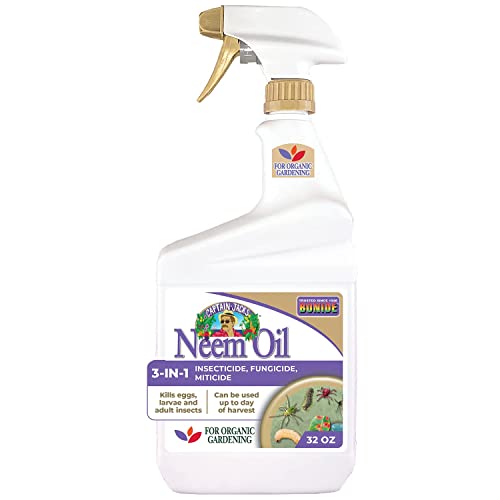
Protect your oasis with 3 garden products in 1 from Captain Jack’s; Bonide Captain Jack’s Ready-to-Use Neem Oil spray for plants is a multi-purpose fungicide, insecticide and miticide for your lawn & garden

Protect your oasis with Captain Jack’s Neem Max Concentrate; this multipurpose product acts as a 4-in-1 insecticide, fungicide, miticide and nematicide

FUNGAL DISEASE CONTROL: Prevents and controls black spot on roses, powdery mildew, rust, downy mildew, and other listed fungal diseases when applied on a 7–14 day schedule
Conclusion
Managing green bean thrips can be challenging, but with natural control options like neem oil, beneficial nematodes, diatomaceous earth, and companion planting, you can protect your plants effectively. By incorporating these methods into your gardening routine, you’ll create a healthier environment for your green beans and reduce the impact of thrips infestations. Remember, a little proactive care goes a long way in keeping your plants thriving and pest-free. Happy gardening!
Frequently Asked Questions
Q: What are the natural control options discussed in the article for managing green bean thrips infestations?
A: The article discusses using neem oil, beneficial nematodes, diatomaceous earth, and companion planting with thrips-repelling plants like marigolds or nasturtiums.
Q: How does neem oil help in deterring green bean thrips?
A: Neem oil acts as a deterrent by disrupting the feeding and breeding habits of green bean thrips, thereby reducing their population.
Q: What is the role of beneficial nematodes in controlling green bean thrips?
A: Beneficial nematodes prey on thrips larvae in the soil, helping to decrease the thrips population and prevent further infestations.
Q: How does diatomaceous earth work to manage green bean thrips?
A: Diatomaceous earth dehydrates the thrips by absorbing their protective waxy layer, eventually leading to their demise.
Q: Why is companion planting with marigolds or nasturtiums effective against green bean thrips?
A: Companion planting with thrips-repelling plants like marigolds or nasturtiums creates a natural barrier that discourages thrips from infesting the green bean plants.
