

Ever wondered how you could turn that fresh cucumber into a garden full of new possibilities? Picture this: you’re enjoying a crisp cucumber salad when it hits you – why not grow your own cucumbers from those very seeds? Exciting, isn’t it? In this article, you’ll uncover the secrets to extracting and saving cucumber seeds like a pro.
Have you ever found yourself tossing away cucumber seeds, not realizing the treasure trove they hold? By learning how to harvest and store cucumber seeds, you’re not just saving money but also gaining the power to grow your own organic cucumbers. Get ready to embark on a rewarding journey of seed saving that will fill your garden with abundance and flavor.
The Importance of Saving Cucumber Seeds
When it comes to saving cucumber seeds, the benefits reach far beyond just growing more cucumbers. Here’s why saving cucumber seeds is essential:
- Preserving Genetic Diversity: Saving cucumber seeds helps maintain the genetic diversity of cucumber varieties, ensuring resilience against diseases and changing environmental conditions.
- Sustainability: By saving cucumber seeds, you reduce reliance on purchasing new seeds each season, promoting sustainability in your gardening practices.
- Cost-Effective: Growing cucumbers from saved seeds can be a budget-friendly option, as you eliminate the need to buy seeds repeatedly.
Incorporating the practice of saving cucumber seeds not only enriches your gardening experience but also contributes to the preservation of cucumber biodiversity.
Selecting the Right Cucumber for Seed Saving
When selecting a cucumber for seed saving, opt for open-pollinated or heirloom varieties as they produce seeds that will grow into similar plants next season. Avoid hybrid cucumbers for seed saving, as they may not produce offspring true to the parent plant.
Consider traits like flavor, texture, and disease resistance that you’d like to preserve in future crops. Choose a cucumber that excels in these areas to ensure desirable qualities in the seeds you save.
Remember that cross-pollination can occur between different cucumber varieties if planted too closely. To prevent this, isolate different cucumber types by at least 1/2 mile or hand-pollinate to maintain purity.
- Select open-pollinated or heirloom cucumbers.
- Prioritize traits you want to preserve.
- Prevent cross-pollination for seed purity.
By carefully selecting the right cucumber for seed saving, you are laying the foundation for successful future harvests.
Harvesting Cucumber Seeds
To start, let’s look at how to harvest cucumber seeds effectively:
- Wait for the cucumbers to fully ripen on the vine.
- Select the healthiest and most robust cucumbers for seed extraction.
- Cut the cucumber lengthwise and scoop out the seeds with a spoon.
- Place the seeds in a bowl and rinse them thoroughly to remove any pulp.
- Spread the seeds out on a flat surface to dry completely for a few weeks.
Remember, proper seed handling is crucial for successful germination in the future.
Recommended Products

【Durable, Will Last Long】Made of food grade premium-grade stainless steel, durable and strong, not easy to bend.
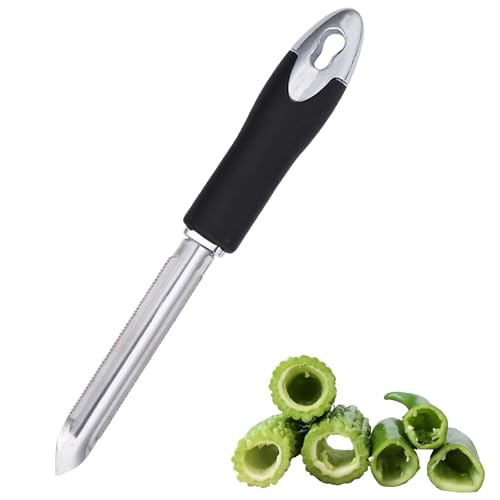
Well Made: The jalapeno pepper corer is made of stainless steel, durable & sturdy, will last long

【Durable Stainless Steel Construction】This jalapeno pepper corer is crafted from solid stainless steel, a material chosen for its strength, corrosion resistance, and longevity in a kitchen environment. The stainless steel corer maintains a sharp edge through repeated use on firm-skinned produce and will not rust or degrade when washed.
Cleaning and Storing Cucumber Seeds
After extracting cucumber seeds, the next vital step is cleaning and storing them properly. Here’s how to ensure their viability for future planting seasons:
- Cleaning Seeds:
- Rinse the seeds thoroughly with water to remove any residual pulp.
- Strain the seeds using a fine mesh strainer to separate them from the water.
- Drying Seeds:
- Spread the rinsed seeds in a single layer on a plate or parchment paper.
- Place the seeds in a warm, dry area with good air circulation.
- Periodically check the seeds and rotate or shuffle them for even drying.
- Storing Seeds:
- Ensure the seeds are completely dry before storage to prevent mold.
- Store the seeds in a cool, dark, and dry place.
- Label the seeds with the variety and date collected for easy identification.
Proper cleaning and storage practices are key to maintaining the viability of cucumber seeds for future planting.
Recommended Products

[LARGER STORAGE SPACE] The package includes 1 big plastic storage box + 64 small containers+ 1 tweezers This box can meet the needs of daily variety of seed classification storage.

This seed storage set includes 1 zippered storage bag, 60 storage bottles, 20 seed envelopes, 3 gardening tools, and label stickers, which effectively prevent moisture and light, ensuring dry and safe storage of seeds

Seed Storage Box Set: you will receive 1 piece of seed storage organizer, 100 pieces of plant labels, 50 pieces of seed envelopes and 2 pieces of marker pens, the nice combination for storing and marking all kinds of seeds
Sowing Cucumber Seeds for a Bountiful Harvest
Planting cucumber seeds is an exciting step towards a rewarding harvest. To get started, follow these simple steps:
Prepare the soil:
- Choose a sunny spot with well-draining soil.
- Mix in some compost to enrich the soil.
Sow the seeds:
- Plant the seeds about 1 inch deep and 12 inches apart.
- Water gently to avoid disturbing the seeds.
Provide proper care:
- Keep the soil consistently moist but not waterlogged.
- Once the seedlings appear, thin them to ensure proper spacing.
Support the plants:
- Consider using a trellis or stakes for vine support.
- Regularly check for pests and diseases.
- Cucumbers are ready to harvest when they reach a desirable size.
- Cut them off the vine using sharp scissors or pruners.
| Compost Ratio | 1:1 for best results |
| Planting Depth | 1 inch |
| Spacing | 12 inches apart |
| Harvesting Time | Varies by cucumber variety |
Recommended Products
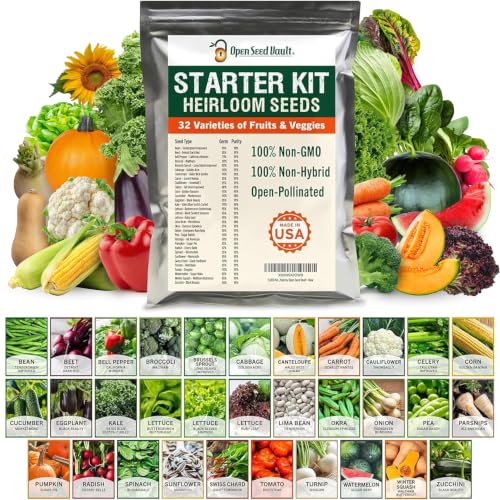
COMPLETE VEGETABLE GARDEN VARIETY PACK – Grow a thriving home garden with 32 popular vegetable seeds including Bean, Beet, Bell Pepper, Broccoli, Brussels Sprout, Cabbage, Cantaloupe, Carrot, Cauliflower, Celery, Corn, Cucumber, Eggplant, Kale, Lettuce (3 types), Lima Bean, Okra, Onion, Pea, Parsnip, Pumpkin, Radish, Spinach, Sunflower, Swiss Chard, Tomato, Turnip, Watermelon, Zucchini. A diverse mix perfect for fresh meals, backyard gardens, and sustainable growing.

Graphene Seed Heat Mat for Faster Germination: Compared to traditional electric heating mats, our graphene heat mat heats up faster and more evenly, with a built-in timer for convenience. It creates the ideal environment for indoor seed starting trays, greenhouse seed germination, and hydroponic plant propagation. Designed for indoor gardening, this waterproof and reusable heat mat accelerates growth and improves seedling survival rates.

12-LED GROW LIGHT PER TRAY — Each of the five seed starting trays features a full-spectrum grow light with 12 LED beads, providing supplemental light for indoor seedlings.
Conclusion
You now have all the essential knowledge to successfully harvest and store cucumber seeds for your next planting season. Remember to follow the steps outlined in this guide for preparing the soil, sowing the seeds correctly, and providing the necessary care for your cucumber plants. By implementing these tips, you’ll be on your way to enjoying a bountiful cucumber harvest. Happy gardening!
Frequently Asked Questions
1. Why is it important to clean and store cucumber seeds?
Keeping cucumber seeds clean and stored properly ensures their viability for future planting. This helps maintain the quality and quantity of harvests.
2. What are the key steps for sowing cucumber seeds successfully?
Prepare the soil by loosening it and adding compost. Sow the seeds at the recommended depth and spacing. Ensure consistent moisture, spacing out seedlings as they grow. Support plants with trellises or stakes and monitor for pests and diseases.
3. What is the ideal compost ratio for cucumber plants?
Aim for a compost ratio of 6:1 for cucumbers, with a higher carbon content. This helps provide essential nutrients for plant growth.
4. How deep should cucumber seeds be planted and what spacing is recommended?
Plant cucumber seeds about 1 inch deep, ensuring good soil contact. Space seeds around 6-12 inches apart, accounting for the variety’s specific needs.
5. When is the best time to harvest cucumbers?
Harvest cucumbers when they reach the desired size and color based on the variety. Regular harvesting promotes continuous fruit production.
