

Ever wondered how to give your garden a natural boost without breaking the bank? What if we told you that the answer might be hiding in your kitchen? Picture this: you’re savoring a delicious meal with green beans, but did you know that these humble veggies could be the key to enriching your soil? Intrigued? In this article, we’ll explore the fascinating world of using green beans to fix nitrogen in the soil.
Imagine saying goodbye to expensive fertilizers and hello to a sustainable solution that benefits both your plants and the environment. By tapping into the nitrogen-fixing superpower of green beans, you can enhance the health of your soil, leading to lusher gardens and bountiful harvests. Ready to unlock the secrets of this eco-friendly gardening hack? Let’s dig in and discover how green beans can be your soil’s new best friend.
Understanding Nitrogen Fixation
Nitrogen fixation is a process in which certain plants, like green beans, work with bacteria to convert atmospheric nitrogen into a form that plants can use. This process is crucial for enriching soil with nutrients essential for healthy plant growth.
Legumes, including green beans, have specialized structures called nodules on their roots where this process occurs. Inside these nodules, nitrogen-fixing bacteria convert nitrogen into ammonia, a form plants can absorb.
By planting green beans in your garden, you can harness their ability to fix nitrogen and enhance the soil naturally. This not only benefits the green beans but also improves the overall soil quality for other plants in your garden.
Remember to rotate your crops each season to maximize the benefits of nitrogen fixation. This practice helps maintain a balanced nutrient cycle in your garden and promotes sustainable soil health for future plantings.
The Role of Green Beans in Soil Enrichment
Green beans play a vital role in fixing nitrogen in the soil, benefiting not only themselves but also enhancing soil quality for other plants. This process, known as nitrogen fixation, is facilitated by the collaboration between green beans and specific bacteria in their roots.
The nodules on green bean roots house these bacteria that convert atmospheric nitrogen into a plant-usable form, ultimately transforming it into ammonia—a crucial nutrient for plant growth. By planting green beans, you can naturally enrich your soil and promote sustainable soil health for future plantings.
To optimize the nitrogen-fixing benefits of green beans and maintain a balanced nutrient cycle, consider implementing crop rotation in your garden. By rotating your crops annually, you can harness the nitrogen-fixing abilities of green beans while preventing nutrient depletion in the soil.
Enhancing your soil with green beans not only boosts the health of your plants but also contributes to environmental sustainability by reducing the need for synthetic fertilizers. So, consider incorporating green beans into your garden to reap the benefits of nitrogen fixation and foster a thriving, nutrient-rich soil ecosystem.
Methods of Incorporating Green Beans in Garden Practices
So, you’re eager to boost the nitrogen levels in your soil with green beans. Here are some practical ways to seamlessly incorporate green beans into your gardening routine:
- Crop Rotation: Rotate your crops annually, planting green beans in different sections each year to optimize nitrogen fixation benefits.
- Interplanting: Consider interplanting green beans with other crops to enhance soil quality and overall plant health.
- Cover Cropping: Utilize green beans as a cover crop during off-seasons to prevent soil erosion and maintain nitrogen levels.
- Companion Planting: Explore companion planting techniques by strategically placing green beans alongside other plants that can benefit from their nitrogen-fixing properties.
- Mulching: After harvesting green beans, mulch the soil with the plant remains to promote nutrient retention and organic matter decomposition.
Embracing these methods will not only enrich your soil with nitrogen but also foster a vibrant and sustainable garden ecosystem.
Recommended Products
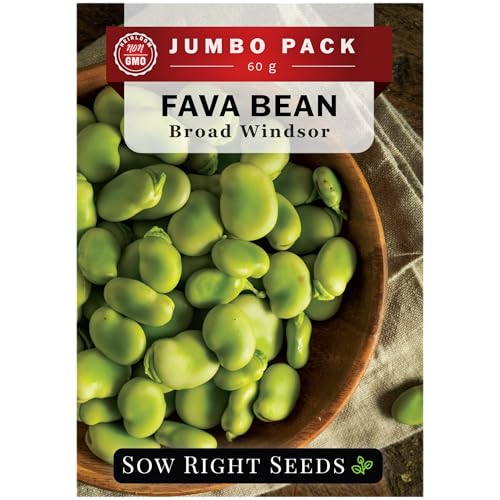
Grow All You Want - Extra large bulk packet of Broad Windsor Fava Bean (Vicia faba) seeds. Also known as broad beans, these cool season loving legumes are highly nutritious, full of protein and vitamins. Enjoy a bountiful harvest with this jumbo pack, ensuring a steady supply of these versatile beans. Can also be grown as a cover crop to improve the soil. And it makes a great variety to grow as a family! Minimum of 60g per packet (about 30 seeds).

5 COVER CROP VARIETIES INCLUDED - Oats (Avena sativa), Buckwheat (Fagopyrum esculentum), White Clover (Trifolium repens), Crimson Clover (Trifolium incarnatum), hairy Vetch (Vicia villosa)
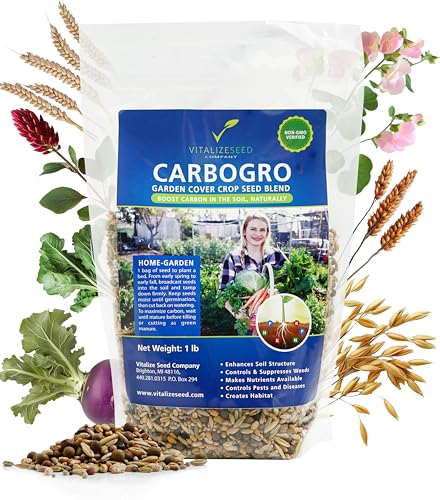
🌱 DIVERSE COVER CROP MIX WITH 16 SPECIES: Carbogro offers an unmatched blend of 16 species, including grains, brassica, clovers, and more. This diverse seed mix ensures a well-balanced approach to cover cropping, benefiting both soil health and crop productivity.
Benefits of Using Green Beans for Soil Health
By now, you may be wondering about the specific benefits green beans bring to your soil. Let’s dive into the advantages of incorporating them into your gardening practices:
- Nitrogen Fixation: Green beans have a unique ability to fix nitrogen from the air into the soil, contributing to enhanced soil fertility.
- Soil Enrichment: The nitrogen-fixing properties of green beans enrich the soil, providing essential nutrients for other plants in your garden.
- Erosion Prevention: The roots of green beans help hold the soil in place, reducing erosion and maintaining soil structure.
- Nutrient Retention: The organic matter produced by green beans improves soil moisture retention and nutrient availability for plant growth.
- Sustainable Gardening: Incorporating green beans in your gardening practices promotes a sustainable and eco-friendly approach to soil health.
Envision a garden teeming with life, where green beans work tirelessly beneath the surface to nurture the soil and support the growth of your plants.
Recommended Products
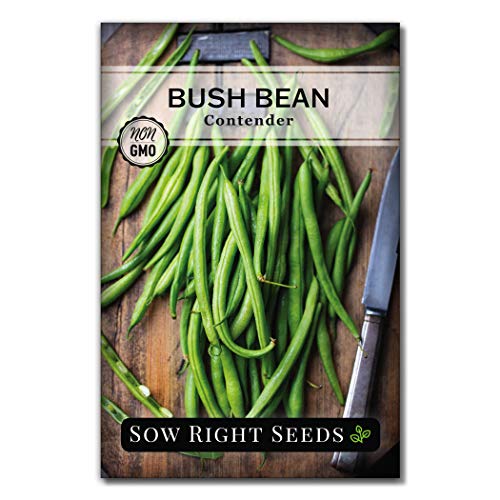
Beautiful - Large premium seed packet of Contender Bush Bean (Phaseolus vulgaris) seeds. Minimum of 16.5g per packet (about 30 seeds). Stringless bush bean that matures early and produces high yields. Adaptable, performing well in short, cool growing seasons or in hot weather. Beans are 5-8" long and retain their flavor when frozen or canned.

High Germination Rate: Heirloom seeds sprout in 5–10 days. Ideal greenbeans for USDA zones 3–11, gardens, raised beds, and containers. Blue lake bush bean seeds have been known in the canning industry for years because of its reliability, huge yields and disease resistance.
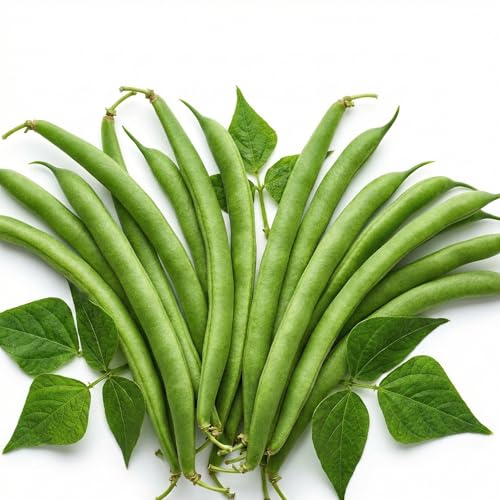
Dependable bush snap bean, Provider green bean (Phaseolus vulgaris); open-pollinated heirloom (released 1966); valued for cooler spring weather performance vs many beans; tender pods for fresh eating, freezing, and canning
Tips for Maximizing the Nitrogen-Fixing Potential
When it comes to maximizing the nitrogen-fixing potential of green beans in your soil, there are a few key strategies you can implement to ensure optimal results:
- Choose the Right Variety: Select nitrogen-fixing varieties of green beans, such as pole beans or bush beans, to enhance their ability to fix nitrogen in the soil effectively.
- Rotate Crops: Incorporate a crop rotation strategy by planting green beans in different areas of your garden each year. This practice helps prevent nutrient depletion in the soil.
- Avoid Excess Nitrogen: While green beans are beneficial for fixing nitrogen, avoid over-fertilizing with nitrogen-rich fertilizers, as this can hinder the plant’s natural nitrogen-fixing process.
- Maintain Soil Moisture: Ensure that the soil where green beans are planted remains consistently moist but not waterlogged, as adequate moisture levels are essential for nitrogen fixation.
- Support with Trellises: If growing pole beans, provide trellises or other supports for the plants to climb. This not only conserves space but also promotes better air circulation and healthier growth.
| Key Tip | Description |
|---|---|
| Choose the Right Variety | Select nitrogen-fixing varieties like pole beans |
| Rotate Crops | Prevent nutrient depletion by planting in different areas yearly |
| Avoid Excess Nitrogen | Over-fertilizing can hinder natural nitrogen-fixing process |
| Maintain Soil Moisture | Ensure consistent moisture levels for optimal nitrogen fixation |
| Support with Trellises | Provide trellises for climbing beans to promote healthier growth |
By following these tips, you can harness the full nitrogen-fixing potential of green beans in your garden while supporting soil health and promoting sustainable gardening practices.
Recommended Products
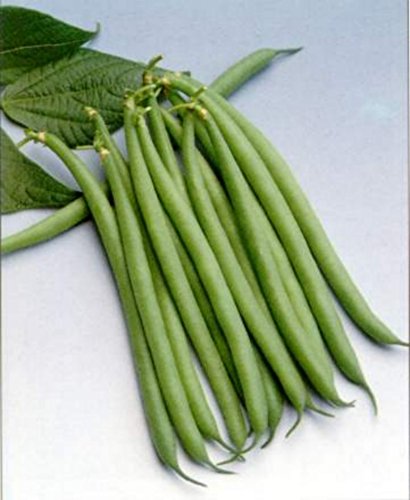
Bush Plant, No Strings: This variety is a bush-type plant with no strings, making harvesting easier

Vigna unguiculata - Non-GMO, Heirloom, Untreated, Open-Pollinated, Always Fres

🧑🌾 Jade Bush Bean Seeds – A classic bush-type snap bean that grows compactly without the need for trellising. Plants produce straight, deep green pods with a clean snap and tender texture, making them a dependable choice for fresh picking and kitchen use throughout the summer season.
Conclusion
You now have a range of effective strategies at your disposal for harnessing the nitrogen-fixing power of green beans in your soil. By carefully selecting the right varieties, practicing crop rotation, avoiding excessive nitrogen fertilization, keeping the soil moist, and providing proper support for pole beans, you can create an environment where green beans thrive and contribute significantly to soil health. Implement these tips in your gardening routine to make the most of green beans’ natural ability to fix nitrogen and promote sustainable gardening practices. Happy gardening!
Frequently Asked Questions
How can I maximize the nitrogen-fixing potential of green beans in soil?
To maximize green beans’ nitrogen-fixing potential, choose nitrogen-fixing varieties, rotate crops, avoid excessive nitrogen fertilization, keep soil moist, and support pole beans with trellises. These strategies help optimize green beans’ nitrogen-fixing abilities, support soil health, and promote sustainable gardening practices.
