

Selecting the Right Variety of Green Beans
When selecting green bean varieties for your urban garden, consider:
- Bush vs. Pole Beans: Bush beans are compact and an excellent choice for smaller spaces, while pole beans need support but offer higher yields.
- Climbing vs. Non-Climbing: Climbing beans utilize vertical space efficiently, perfect for tight urban gardens.
- Disease-Resistant Varieties: Opt for disease-resistant green beans to mitigate common urban garden challenges.
- Short vs. Long Maturing: Short-maturing varieties can be harvested sooner, ideal for quick urban garden turnover.
Ensure your green bean variety selection aligns with your space, time, and disease resistance needs.
Limited Space and Sunlight Challenges
Growing green beans in urban gardens often comes with limited space and sunlight challenges. With buildings, trees, and other structures casting shadows, finding adequate sunlight for your green bean plants can be a struggle. This lack of sunlight may result in stunted growth and poor yields. To overcome this challenge, consider the following tips:
- Choose a sunny spot: Select an area that receives at least 6-8 hours of sunlight daily for optimal growth.
- Utilize vertical space: Grow climbing varieties of green beans to make the most of limited ground space.
- Consider container gardening: Plant green beans in containers or hanging baskets that can be moved to capture sunlight throughout the day.
- Prune neighboring plants: Trim back overhanging branches or tall plants to allow more sunlight to reach your green bean plants.
To ensure a bountiful harvest of green beans in your urban garden, addressing these space and sunlight challenges is crucial.
Recommended Products
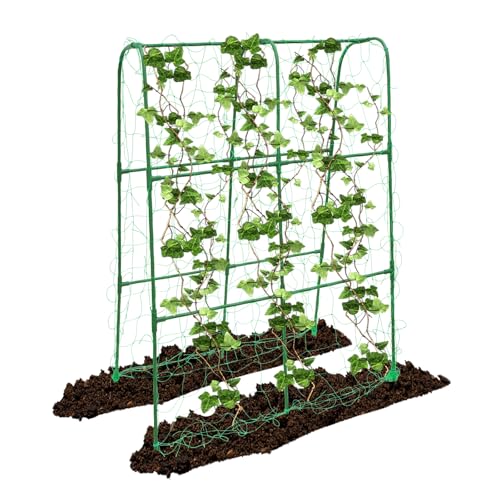
U frame Vegetable Trellis -- Dimensions (W x H):80 x 120cm / 31.5 x 47.5inches, nylon garden netting included
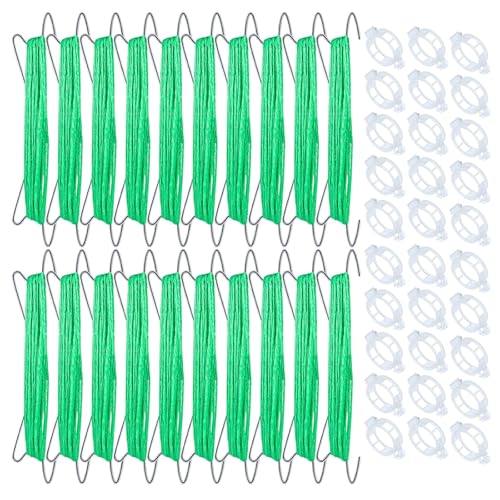
Package included- You will get 20 tomato hooks with thread (20 green) and 30 plant support clips, garden clips with 1.2-inch round holes for better securing vines, beans and stems and other plants, and tomato stand hooks with 32.8 feet of thread.

Assembles in Minutes, No Tools or Frustration - Say goodbye to complicated setups. Our A-frame trellis includes easy-connect joints and step-by-step instructions for fast, hassle-free assembly for plant trellis
Soil Quality and Nutrient Management
Growing green beans in urban gardens comes with its challenges, especially when it comes to soil quality and nutrient management. To ensure your green beans thrive in urban settings, it’s essential to pay attention to the following factors:
- Soil Quality: Urban environments often have compromised soil quality. Consider testing your soil to determine its pH levels and nutrient composition. This will help you understand what amendments may be necessary for optimal green bean growth.
- Composting: One way to improve soil quality is through composting. Kitchen scraps, yard waste, and organic matter can be composted to create nutrient-rich soil amendments that benefit your green bean plants.
- Fertilization: Green beans are nutrient-hungry plants. Incorporating a balanced fertilizer or compost into the soil before planting can provide the necessary nutrients for healthy plant development.
- Mulching: Mulching around your green bean plants can help conserve moisture in the soil, regulate soil temperature, and suppress weed growth. Organic mulches like straw or shredded leaves are excellent choices.
By focusing on soil quality and nutrient management, you can create an optimal growing environment for your green beans in your urban garden.
| Soil Quality Testing | Composting | Fertilization | Mulching |
|---|---|---|---|
| Test pH levels and nutrients | Transform organic waste | Provide essential nutrients | Conserve soil moisture |
Recommended Products

ACCURATELY MEASURES SOIL PH - Lawns thrive in soil with pH levels between 6.2 and 7.0. Our soil test kit accurately determines soil pH levels in just 10 minutes.

Quick, at home results for Soil pH, Nitrogen, Phosphorous and Potash Innovative and inexpensive soil test kit features an easy-to-use capsule system and patented color comparators

Comprehensive Soil Analysis: Liquid soil test kits offer a comprehensive analysis of essential soil parameters, including pH, ammonia, nitrogen, phosphorus, and potassium. Having all these measurements in one kit provides a holistic understanding of the soil's fertility and health.
Pests and Disease Control
When growing green beans in urban gardens, dealing with pests and diseases can be a significant challenge. Here are some key points to consider:
- Common Pests: Look out for pests like aphids, spider mites, and bean beetles that can damage green bean plants.
- Natural Predators: Encourage natural predators like ladybugs and lacewings to help control pest populations organically.
- Companion Planting: Planting herbs like basil or flowers like marigolds near green beans can deter pests.
- Crop Rotation: Rotate your crops yearly to prevent the buildup of soil-borne diseases specific to green beans.
- Early Detection: Regularly inspect your plants for any signs of pest infestations or disease development to address issues promptly.
- Organic Control: Utilize organic pest control methods such as neem oil spray or insecticidal soap to protect your green beans.
Remember, staying proactive and implementing preventive measures is key to protecting your green bean plants from pests and diseases in an urban garden setting.
Recommended Products

FUNGAL DISEASE CONTROL: Prevents and controls black spot on roses, powdery mildew, rust, downy mildew, and other listed fungal diseases when applied on a 7–14 day schedule

Protect your oasis with 3 garden products in 1 from Captain Jack’s; Bonide Captain Jack’s Ready-to-Use Neem Oil spray for plants is a multi-purpose fungicide, insecticide and miticide for your lawn & garden

PLANT DISEASE CONTROL: Natria Neem Oil acts as an insecticide and fungicide in one convenient spray; Ready-to-use trigger sprayer requires no mixing
Harvesting and Maintenance Tips
When harvesting green beans from your urban garden, remember to pick them regularly to encourage more production. Aim to harvest before the beans get too large, which can result in a tougher texture. Check your plants daily to ensure you don’t miss any ripe beans.
For maintenance, providing adequate support for your green bean plants is essential. Use trellises, stakes, or cages to prevent the plants from falling over due to the weight of the beans. Water your plants deeply but infrequently to promote healthy root growth and avoid wetting the leaves, which can lead to diseases.
To foster continuous growth, consider feeding your green bean plants with a balanced fertilizer every few weeks. Remove any weeds around the plants to prevent competition for nutrients and space. Monitor your plants for signs of pests or diseases regularly and take action promptly to protect your harvest.
Remember, proper care and attention throughout the harvesting and maintenance processes are key to a successful green bean crop in your urban garden.
Conclusion
Growing green beans in urban gardens presents unique challenges that require careful attention and maintenance. Regular harvesting and providing adequate support are essential for a successful crop. Deep watering, proper fertilization, weed management, and pest control are crucial for ensuring the health and productivity of your green bean plants. By following these tips and staying vigilant throughout the growing season, you can overcome the challenges of urban gardening and enjoy a bountiful harvest of fresh green beans. Remember, with dedication and proper care, you can successfully cultivate green beans in your urban garden and reap the rewards of your efforts. Happy gardening!
Frequently Asked Questions
What are some key tips for harvesting green beans in urban gardens?
Harvest green beans regularly to promote continuous production and maintain ideal texture. Provide support to prevent plant damage and ensure optimal growth.
How often should I water my green bean plants?
Water green bean plants deeply but infrequently. Keep the soil consistently moist but not waterlogged to support healthy growth.
Is fertilization important for green bean plants?
Yes, balanced fertilization is crucial for green bean plants. Use organic fertilizers to provide essential nutrients for robust growth and improved yield.
How can I prevent pests and diseases in my green bean crop?
Regularly monitor your green bean plants for pests and diseases. Practice weed removal to reduce pest habitats and consider natural pest control methods for prevention.
Why is proper care during maintenance essential for a successful green bean harvest?
Proper care during maintenance, including watering, fertilizing, and pest control, is vital for a thriving green bean crop in urban gardens. Consistent attention and care promote healthy plants and bountiful harvests.
