

Understanding Green Beans
Green beans are versatile, easy-to-grow vegetables that thrive in various soil conditions. Their ability to grow in sandy soil makes them a popular choice for many gardeners. Here are some key points to help you understand green beans better:
- Varieties: Green beans come in various types, including snap beans, string beans, and pole beans.
- Soil Conditions: Green beans prefer well-draining soil, making sandy soil a suitable option. This type of soil allows for proper root growth and prevents waterlogging.
- Nutritional Value: Green beans are a nutritious source of vitamins A, C, and K, as well as fiber and antioxidants. Including them in your diet can contribute to overall health.
- Planting Tips: When planting green beans in sandy soil, consider adding organic matter to improve soil fertility. Ensure proper watering to support growth.
- Harvesting: Green beans are typically ready for harvesting within 50-60 days after planting. Pick them regularly to encourage continuous production.
- Pest Control: Keep an eye out for common pests like aphids or Mexican bean beetles. Natural remedies like neem oil can help protect your plants.
Characteristics of Sandy Soil
When it comes to sandy soil, it’s essential to understand its unique qualities and how they can impact the growth of your green beans. Here are a few key characteristics of sandy soil to keep in mind:
- Drainage: Sandy soil is known for its excellent drainage properties. It allows water to pass through quickly, which can be both a benefit and a challenge.
- Aeration: The loose texture of sandy soil promotes good aeration, ensuring that plant roots have access to sufficient oxygen for healthy growth.
- Fertility: Sandy soil tends to be low in fertility as it struggles to retain nutrients. It may require additional supplementation to support the growth of green beans.
- Warmth: Sandy soil warms up quickly in the spring, which can be advantageous for seed germination and early plant growth.
- Weed Control: The loose nature of sandy soil may make it easier for weeds to take root. Implementing mulching techniques can help suppress weed growth.
- Nutrient Retention: Sandy soil leaches nutrients more rapidly compared to other soil types. Regular fertilization may be necessary to ensure that your green beans receive essential nutrients.
Remember, understanding the characteristics of sandy soil is crucial for successfully cultivating green beans in this type of environment. By addressing the unique needs of your soil, you can support optimal plant growth and ensure a bountiful harvest.
Growing Requirements of Green Beans
When growing green beans in sandy soil, there are key factors to keep in mind for successful cultivation:
- Watering: Sandy soil drains quickly, so increased watering may be necessary to ensure proper moisture levels for green beans.
- Fertilization: Since sandy soil lacks nutrients, regular fertilization is crucial to support plant growth and yield.
- Mulching: Apply mulch around plants to help retain moisture and improve soil fertility over time.
- Weed Control: Regular weeding is essential in sandy soil to prevent competition for nutrients and maintain plant health.
Recommended Products
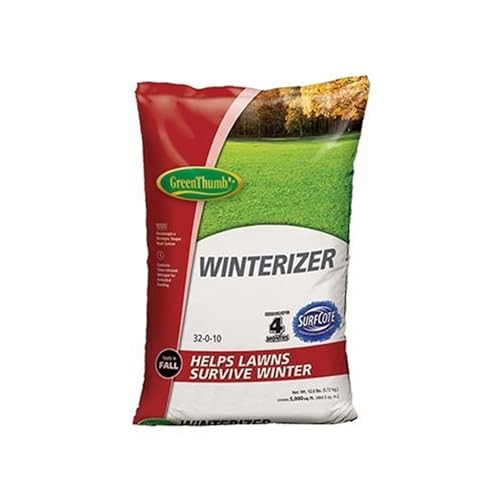
Helps your lawns to survive the winter stress

ONE-PIECE DESIGN — BUILT FOR GARDENING, NOT SHIPPING, Unlike multi-piece rings, our solid one-piece design won’t leak, shift, or require assembly. The continuous circular wall keeps water contained and delivers it directly to the root zone for better plant performance.

🫘 FORMULATED FOR ALL GREEN BEAN VARIETIES – Gardenera LIQUID POWER Green Beans Fertilizer supports explosive vine growth, flowering, and crisp pod production for bush beans, pole beans, string beans, and snap beans.
Green Beans Planting Tips
Consider the following tips for planting green beans in sandy soil:
- Amend Soil: Incorporate organic matter like compost to enhance soil fertility.
- Spacing: Plant green beans at the recommended distance to allow for proper growth.
- Support: Use stakes or trellises for vine varieties to encourage upward growth.
- Sunlight: Ensure green beans receive adequate sunlight for optimal photosynthesis.
Recommended Products

UNIQUE STYLING DESIGN: Fit perfectly with the plants in the pot, the branch shape fits better with the plant itself, allowing PERSZEN monstera plant support suitable for almost all types of potted plants without standing out. The green color of plant trellis indoor makes it easier to blend in with the plants, providing support for your plants without affecting the aesthetics

COLOR: Medium Green beans provide a classic appearance for your garden harvest

【Durable Grow Bags】These tomato grow bags feature excellent drainage and breathability, promoting optimal soil air circulation and helping prevent root decay. The spacious 10-gallon capacity provides ample room for healthy root growth. With sturdy handles and durable material, they are easy to move as needed.
Harvesting Green Beans
- Regular Harvest: Pick green beans frequently to promote continuous growth.
- Harvesting Method: Gently snap green beans off the plant to avoid damage.
- Storage: Store harvested green beans in a cool, dry place to maintain freshness.
| Important Facts | |
|---|---|
| Watering | Increased watering is needed in sandy soil. |
| Fertilization | Regular fertilization is crucial due to nutrient deficiency. |
| Mulching | Mulching helps retain moisture and improve fertility. |
| Weed Control | Regular weeding is necessary to prevent competition. |
Tips for Growing Green Beans in Sandy Soil
Growing green beans in sandy soil can be successful with the right approach. Here are some tips to help you cultivate healthy green beans in your sandy garden:
- Amend the Soil: Add compost or well-rotted manure to improve soil structure and provide essential nutrients for green bean growth.
- Provide Adequate Water: Sandy soil drains quickly, so make sure to water regularly to prevent the soil from drying out and harming your green beans.
- Mulch for Moisture Retention: Applying a layer of mulch around your green bean plants can help retain moisture in the sandy soil, keeping the roots hydrated.
- Control Weeds: Remove weeds regularly to prevent them from competing with your green beans for water and nutrients in the sandy soil.
- Consider Vertical Support: For vine varieties, install trellises or stakes to provide vertical support for the plants to grow properly.
- Ensure Proper Spacing: Plant green beans at the recommended distance apart to allow for healthy growth and adequate sunlight exposure.
- Optimal Sunlight: Green beans thrive in full sun conditions, so ensure they receive at least 6-8 hours of sunlight daily for optimal growth.
Recommended Products

[DURABLE AND STURDY] Crafted from robust hollow steel, this garden stakes features a fade-resistant green plastic coating, offering reliable protection against wind, rain, and rust. With anti-slip ridges, it's easy to tie on plant ties, aiding in plant climbing. the pointed bottom design of tomato stakes enables effortless soil insertion, ensuring a secure anchoring effect with minimal effort

[High Quality] - The Bamboo stakes are made of high quality natural bamboo.It’s very strong and durable,great for plant support!Each stakes is inspected manually to ensure quality.

【Package included】:Crafted from robust hollow steel, this garden stakes features a fade-resistant green plastic coating, offering reliable protection against wind, rain, and rust. This Trellis for Climbing Plants Outdoor comes complete with everything you need to get started: 17pcs metal stakes, 8pcs T shape connect pipe, 2 A-shaped connectors, and a 0.9x1.8meter bird net.
Conclusion
Growing green beans in sandy soil requires specific care techniques like amending the soil with compost or manure for nutrient supply. Regular watering and mulching are crucial to ensure proper hydration and moisture retention. Weed control is necessary to avoid competition for water and nutrients. Providing vertical support and maintaining proper spacing and sunlight exposure are essential for successful green bean growth in sandy soil. Remember these tips to enjoy a bountiful harvest of green beans from your sandy soil garden.
Frequently Asked Questions
What are the key care techniques for growing green beans in sandy soil?
To grow green beans in sandy soil, amend it with compost or manure for nutrients, water regularly due to quick drainage, use mulch for moisture retention, control weeds to avoid competition, provide vertical support for vines, and ensure proper spacing and sunlight exposure.
Why is amending sandy soil with compost or manure important?
Amending sandy soil with compost or manure is crucial to supply essential nutrients to green beans, as sandy soil lacks the necessary nutrients for healthy plant growth.
How does mulching help in growing green beans in sandy soil?
Mulching helps retain moisture in sandy soil, ensuring proper hydration of green bean roots by reducing water evaporation and maintaining soil moisture levels.
Why is weed control necessary when cultivating green beans in sandy soil?
Weed control is essential in sandy soil to prevent weeds from competing with green beans for water and essential nutrients, promoting healthier growth and better yields.
Why is providing vertical support important for vine varieties of green beans in sandy soil?
Vine varieties of green beans require vertical support to ensure proper growth, prevent damage to plants, and maximize sunlight exposure for photosynthesis and productivity.
