

Ever wondered why your beans don’t quite turn out like the ones in the pictures? Are you struggling to choose between bush beans and pole beans for your garden? Picture this: You’re standing in the produce aisle, staring at the array of beans, feeling overwhelmed.
Do you opt for the compact bush beans or the climbing pole beans? The choice can be daunting. But fear not! In this article, we’ll unravel the mystery behind bush beans and pole beans, helping you make an informed decision for your garden.
Understanding Bush Beans
Bush beans are an excellent choice for smaller gardens or container growing. They grow in a compact, bushy shape and do not require support like trellises or stakes.
- Ideal for beginning gardeners.
- Grow quickly and are ready for harvest in 40-60 days.
- Less maintenance as they do not need extensive pruning or training.
Plant your bush beans in an area that receives full sunlight and make sure to water evenly to avoid issues like blossom end rot.
Consider varieties such as Blue Lake or Provider for consistent yields and great flavor. Succession planting every few weeks can ensure a continuous harvest throughout the growing season.
If you have limited space or want a low-maintenance option, bush beans are a fantastic choice for your garden.
Recommended Products
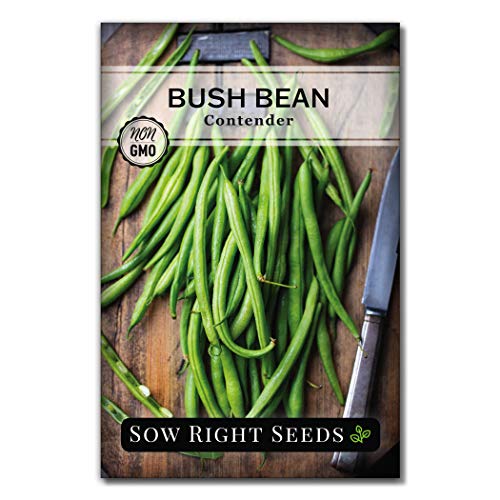
Beautiful - Large premium seed packet of Contender Bush Bean (Phaseolus vulgaris) seeds. Minimum of 16.5g per packet (about 30 seeds). Stringless bush bean that matures early and produces high yields. Adaptable, performing well in short, cool growing seasons or in hot weather. Beans are 5-8" long and retain their flavor when frozen or canned.

4 HEIRLOOM BUSH BEANS – Blue Lake, Golden Wax, Royal Burgundy, and French Green Slenderette (Phaseolus vulgaris); classic snap bean varieties selected for compact growth and dependable harvests

FAST HARVEST PERFORMANCE - Contender bush beans (Phaseolus vulgaris) are known for early maturity, producing tender green beans quickly so you can harvest sooner, ideal for short growing seasons and quick turnaround gardens
Characteristics of Pole Beans
Pole beans, unlike bush beans, are vining plants that require support structures to grow properly. They have a climbing habit and can reach heights of 5-10 feet.
Varieties include Kentucky Blue, Kentucky Wonder, and Romano. They tend to have a longer growing season compared to bush beans but can produce a higher yield per plant.
Pole beans are ideal for vertical gardening and can make good use of limited garden space. Trellises or poles are commonly used as support structures, allowing the vines to grow upwards.
When planting pole beans, ensure they are in a sunny location with well-drained soil. Regular harvesting promotes continued production, and proper pruning helps manage the plant’s growth.
For succession planting with pole beans, sow new seeds every 2-3 weeks for a continuous harvest throughout the growing season. This ensures a steady supply of fresh beans for your enjoyment.
Investing time and effort in caring for your pole beans will result in a rewarding harvest of delicious, homegrown produce.
Growing Bush Beans vs. Pole Beans
When it comes to growing bush beans vs. pole beans, there are several key differences to consider. Here’s a breakdown to help you decide which type of bean is best for your garden:
Space and Support
- Bush Beans:
- Ideal for smaller gardens with limited space.
- Compact growth habit, typically reaching 1-2 feet in height.
- Do not require a support structure.
- Pole Beans:
- Well-suited for vertical gardening or larger spaces.
- Vining nature can reach heights of 5-10 feet.
- Need sturdy trellises or poles for support to grow effectively.
Harvesting Convenience
- Bush Beans:
- Tend to produce beans all at once, making harvesting simpler.
- Pole Beans:
- Produce beans continuously throughout the growing season.
- Requires regular harvesting to encourage more bean production.
Yield and Harvest Duration
- Bush Beans:
- Typically offer a more concentrated yield per plant.
- Pole Beans:
- Have a longer growing season and can yield more per plant over time.
Maintenance and Care
- Bush Beans:
- Easier to maintain with less need for pruning.
- Pole Beans:
- Require regular pruning to promote upward growth and maximize yield potential.
- Bush Beans:
- Suited for traditional garden beds and container gardening.
- Pole Beans:
- Ideal for vertical gardening, creating visual interest and maximizing garden space.
Whether you opt for bush beans or pole beans, both varieties offer delicious, fresh produce with unique characteristics and growing requirements. Experiment with both types to discover which suits your gardening style and space availability best.
Harvesting and Care Tips
When it comes to harvesting and care, there are key differences between bush beans and pole beans that can impact the way you tend to your plants. Here are some tips for maintaining and optimizing the growth of each type:
- Bush Beans:
- Harvesting: Pick beans frequently to encourage new growth.
- Care: Keep the area around the plants weed-free to prevent competition for nutrients.
- Support: Bush beans generally don’t require additional support structures.
- Pole Beans:
- Harvesting: Regular picking promotes continuous bean production.
- Care: Maintain a steady pruning schedule to enhance yield potential.
- Support: Pole beans need trellises or other vertical structures for growth support.
Conclusion
Now that you’re equipped with the essential care tips for both bush beans and pole beans, you’re ready to cultivate a thriving bean garden. Remember to harvest frequently, maintain a weed-free environment, and provide the necessary support structures based on the type of beans you’re growing. By following these guidelines, you’ll ensure a bountiful harvest and healthy growth for your beans. Happy gardening!
Frequently Asked Questions
1. How often should I harvest bush beans and pole beans?
For bush beans, it is recommended to harvest every 2-3 days to encourage more bean production. With pole beans, harvesting every 2-3 days promotes continuous growth and prevents overripening.
2. Do bush beans and pole beans require support structures?
Bush beans typically do not need support structures as they grow as compact bushes. However, pole beans need trellises or vertical structures for climbing and support during their growth.
3. Should I prune my bean plants for better yield?
Yes, pruning is beneficial for pole beans as it encourages more lateral growth leading to increased bean production. Regularly pinch off the terminal buds to promote branching and higher yields.
4. How important is weed management for bean plants?
Weed management is crucial for both bush and pole beans as it prevents competition for nutrients, water, and sunlight. Keep your bean bed weed-free to ensure optimal growth and yield.
