

Wondering when to plant broccoli in North Carolina? Picture this: you’re eager to start your vegetable garden, but unsure about the ideal timing for your broccoli crop. Don’t fret – this article is here to guide you through the process! By understanding the best planting times, you’ll set yourself up for a successful harvest of fresh, homegrown broccoli. Let’s dive in and explore the perfect planting schedule for your North Carolina garden.
Understanding the North Carolina Climate
North Carolina offers a diverse climate ideal for broccoli cultivation. Here’s a breakdown to help you grasp the nuances of the state’s climate:
- Temperature: Summers are warm, allowing broccoli to thrive, while winters are generally mild in most regions.
- Frost Dates: Knowing your average last spring frost date (late March to early April) and first fall frost date (mid to late October) is crucial for planning your planting schedule.
- Rainfall: North Carolina experiences varying rainfall patterns, so monitoring local forecasts to adjust your watering schedule is essential.
- Microclimates: Different areas within the state may have microclimates influencing temperatures, so consider your specific location when planting.
With this understanding, you can leverage the unique North Carolina climate to cultivate robust and healthy broccoli crops.
Best Time to Plant Broccoli
When it comes to planting broccoli in North Carolina, timing is key for a successful harvest. The best time to plant broccoli in North Carolina is in early spring. Aim to start your seeds indoors about 4-6 weeks before the last frost date. Transplant your seedlings once they have a few true leaves and the soil is workable.
For a fall crop, start your seeds indoors in mid-summer, around 8-10 weeks before the first fall frost date. This will give your broccoli plants enough time to mature before the cold weather sets in.
Remember to consider your specific location within North Carolina as microclimates can affect planting times. Coastal areas may have slightly different planting schedules compared to mountain regions. Keep an eye on the average frost dates for your area to plan accordingly.
| Planting Season | Timing |
|---|---|
| Spring | Early |
| Fall | Mid-summer |
Preparing the Soil for Broccoli
To ensure successful broccoli growth, preparing the soil correctly is crucial. Follow these steps:
- Test the soil to determine pH levels. Broccoli thrives in slightly acidic soil with a pH of 6.0 to 7.0.
- Amend the soil with organic matter like compost to improve drainage and provide essential nutrients.
- Ensure good drainage to prevent waterlogging, which can lead to root rot. Raised beds can help improve drainage.
- Remove weeds to reduce competition for nutrients and water.
By taking these steps, you’ll create optimal conditions for your broccoli plants to flourish.
Recommended Products

Quick, at home results for Soil pH, Nitrogen, Phosphorous and Potash Innovative and inexpensive soil test kit features an easy-to-use capsule system and patented color comparators

Kindly NOTE: This soil tester can not be applied to test pH value of any other liquid. If the soil is too dry the indicator will not move, and water it before testing.

Accurate Soil pH Testing: Dewildetradingco Soil pH Test Strips offer measurements of soil pH levels (pH 3.5-9). As an essential tool for every gardener and grower, these test strips help determine the optimal pH for various plants, such as outdoor plants, indoor plants, gardens, grass lawns, fruit trees, flowers, vegetables, and forest shrubs.
Planting Broccoli Seedlings
When Planting Broccoli Seedlings in North Carolina, timing is crucial for a successful harvest. You’ll want to start by considering the average last frost date in your area, which typically ranges from mid-March to early April. Once you have this date in mind, you can work backward to determine the optimal time to transplant your broccoli seedlings.
Here are some key steps to planting broccoli seedlings effectively:
- Prepare the Soil: Ensure the soil is well-draining and amend it with compost or aged manure to provide essential nutrients.
- Select Healthy Seedlings: Choose seedlings that are stocky with dark green leaves and no signs of disease.
- Transplant Carefully: Plant the seedlings in fertile soil, spacing them 18-24 inches apart in rows spaced 24-36 inches apart.
- Watering: Provide adequate water immediately after transplanting to help the seedlings establish.
- Mulching: Consider mulching around the plants to retain moisture and control weeds.
By following these steps, you can set up your broccoli plants for success and enjoy a bountiful harvest in your North Carolina garden.
Recommended Products

GROW FRESH SPROUTS AT HOME: Grow crisp broccoli and alfalfa sprouts in just days with a simple jar system designed for easy rinsing, draining, and dependable results.
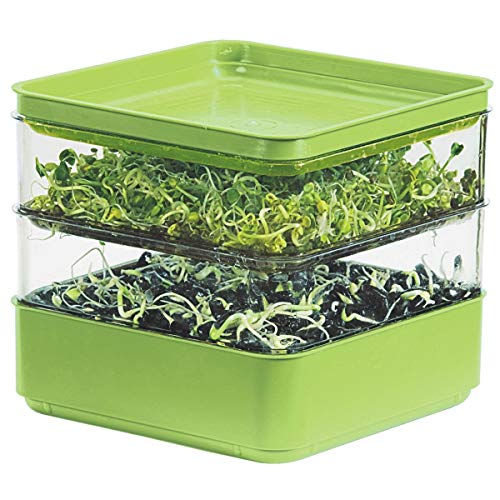
TWO TIER STACKABLE MINI SEED SPROUTER - Personalized microgreens grow kit features transparent trays for observing your plants, and supports up to 4 additional trays to sprout various kinds of seeds simultaneously

Complete Broccoli Sprout Growing Kit: This all-in-one sprouting kit includes 2 wide-mouth quart mason jars, 2 premium 304 stainless steel mesh lids, 2 blackout sleeves, 2 adjustable metal stands, 1 water drip tray, and 1 cleaning brush. No extra parts required — start growing fresh broccoli sprouts, alfalfa, mung beans, and other microgreens right on your kitchen countertop in just 3-5 days.
Caring for Broccoli Plants
When it comes to Caring for Broccoli Plants, there are a few key steps to ensure they thrive and provide you with a bountiful harvest. Here’s what you need to do:
- Watering: Make sure you water your broccoli plants consistently. They need about 1-1.5 inches of water per week. Monitor soil moisture to avoid over or under-watering.
- Mulching: Mulch around the base of your broccoli plants to help retain moisture, suppress weed growth, and maintain even soil temperatures. This will also reduce the need for frequent watering.
- Fertilizing: Consider fertilizing your broccoli plants with a balanced fertilizer during the growing season. Be sure to follow the instructions on the fertilizer package for best results.
- Pest Management: Keep an eye out for common pests like aphids and cabbage worms. Inspect your plants regularly and take action if you notice any signs of pest damage.
- Harvesting: Know when to harvest your broccoli. You’ll want to pick the heads while the florets are still tight and before they start to turn yellow.
| Water Requirement | 1-1.5 inches per week |
|---|
Recommended Products
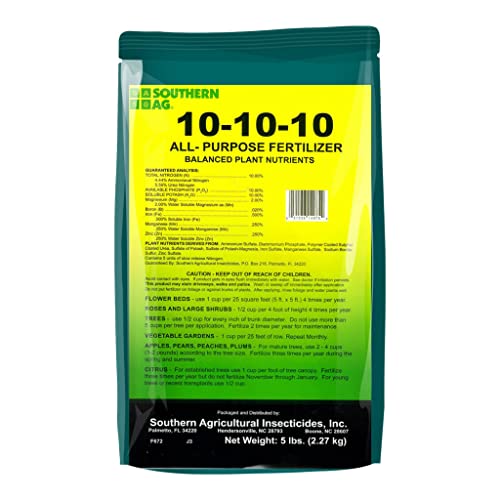
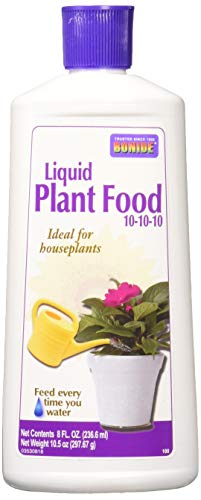

PREMIUM QUALITY INGREDIENTS – Cz Garden 5-10-10 is all-purpose fertilizer for all indoor/outdoor flowers, lawn, and garden vegetables.
Conclusion
Now that you know the ins and outs of planting broccoli in North Carolina, you’re ready to get your hands dirty and start your own broccoli garden. Remember to provide consistent watering, mulch around the plants, fertilize appropriately, and keep an eye out for pests. By following these tips, you’ll be on your way to a bountiful harvest of delicious broccoli heads. Happy gardening!
Frequently Asked Questions
Q: How much water do broccoli plants need per week?
A: Broccoli plants need 1-1.5 inches of water per week for optimal growth and yield.
Q: Why is mulching recommended for broccoli plants?
A: Mulching helps retain moisture, suppress weeds, and regulate soil temperature around broccoli plants.
Q: What is the importance of fertilizing broccoli plants?
A: Fertilizing with a balanced fertilizer is crucial to provide essential nutrients for healthy broccoli growth.
Q: How can I manage pests like aphids and cabbage worms on broccoli plants?
A: Managing pests involves using organic pesticides or insecticidal soaps to keep aphids and cabbage worms at bay.
Q: When is the right time to harvest broccoli heads?
A: Harvest broccoli heads when they are firm and compact, typically when the florets are deep green in color before flowering.
