

Ever wondered what it takes to grow your own fresh and delicious broccoli right in your backyard? Imagine stepping outside and picking your own vibrant green florets for dinner. Sounds enticing, doesn’t it?
Picture this: You’re at the grocery store, staring at wilted broccoli, unsure of its freshness. Wouldn’t it be great to have your own supply at home, always crisp and ready for your favorite recipes?
Selecting the Right Variety of Broccoli
When choosing a broccoli variety, consider your climate and growing season. Some varieties are better suited for warmer climates, while others thrive in colder regions.
Look for resistance to common pests and diseases, as this can make your growing experience much smoother. Opt for varieties that are known for their hardiness and ability to withstand typical broccoli challenges.
Consider the maturity date of the broccoli variety. If you’re looking for an early harvest, choose a variety with a shorter growth period. On the other hand, if you want to extend your harvest season, select a variety that offers a longer window for picking.
Here are some popular broccoli varieties and their key characteristics:
| Variety | Climate Suitability | Pest Resistance | Maturity Date |
|---|---|---|---|
| Belstar | Warm climates | High | 65 days |
| Calabrese | Cold climates | Medium | 70-90 days |
| Packman | All climates | High | 53-103 days |
| Marathon | Warm climates | High | 70-75 days |
| De Cicco | Cold climates | Low | 48-125 days |
Choosing the Best Location for Growing Broccoli
When choosing a location to grow broccoli, keep the following points in mind:
- Sunlight: Select a spot that receives full sun for at least 6-8 hours a day.
- Soil Quality: Opt for well-draining soil rich in organic matter to promote healthy growth.
- pH Level: Broccoli thrives in soil with a pH level between 6.0 and 7.0.
- Water Drainage: Ensure the area has proper water drainage to prevent waterlogging.
- Wind Protection: Shield your broccoli plants from strong winds to avoid damage.
Remember, the right location sets the foundation for a successful broccoli harvest.
Preparing the Soil for Broccoli Planting
To set your broccoli plants up for success,1 it’s essential to prepare the soil properly. Here are the steps to get your soil ready for planting your broccoli seeds or seedlings:
- Start by clearing the planting area of any weeds or debris.
- Incorporate compost to enrich the soil with nutrients.
- Test the soil to ensure the pH level is between 6.0 and 7.0, ideal for broccoli growth.
- Amend the soil with lime if the pH is too low or sulfur if it’s too high.
- Ensure the soil has good drainage to prevent waterlogging, which can harm your broccoli plants.
For optimal broccoli growth and a bountiful harvest,2 investing time in soil preparation will pay off in the long run.
Sowing Broccoli Seeds or Planting Seedlings
When sowing broccoli seeds, start indoors roughly 6-8 weeks before your region’s last frost date. Simply plant seeds in a shallow tray filled with seed-starting mix. Water gently, cover the tray to maintain moisture, and place it in a warm area. Once seedlings have a couple of true leaves, transplant them into individual pots.
For planting seedlings, choose a cloudy day or late afternoon for minimal stress on the plants. Dig a hole slightly deeper than the seedling container, gently remove the plant, and place it in the hole. Backfill with soil, firm around the base, and water well.
Tips for Success:
- Protect seedlings from harsh sun initially.
- Mulch around plants to retain moisture.
- Space broccoli plants 18-24 inches apart.
- Fertilize with a high-nitrogen blend every 3-4 weeks.
- Monitor for pests like aphids or cabbage worms.
| Aspect | Information |
|---|---|
| Seedling depth | Plant seedlings slightly deeper than they were in their containers. |
| Spacing | Broccoli plants require 18-24 inches of space between each other for proper growth. |
| Fertilization | Use a high-nitrogen blend every 3-4 weeks to promote healthy broccoli development. |
Caring for Broccoli Plants
Growing healthy broccoli plants involves more than just planting them. To ensure a bountiful harvest, maintain a consistent care routine that includes watering, fertilizing, and pest management.
Recommended Products

PEST DEFENSE - Insecticidal Super Soap controls species of adelgid, ant, aphid, borer, caterpillar, spider mite, cricket, chinch bug, weevil, fly, thrip, & more.
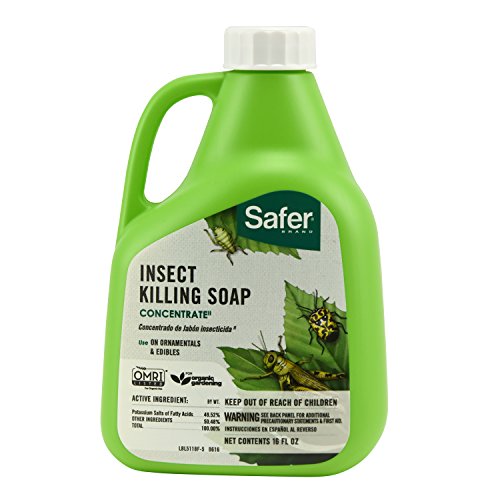
GENTLE ON MOST PLANTS - This aphid spray is ideal for use on flowers, herbs, vegetables, houseplants, lawn, tree, shrubs, and more

EASY TO USE: The ready-to-use indoor bug spray bottle makes application easy
Watering
- Keep the soil consistently moist throughout the growing season.
- Water deeply to encourage robust root development.
- Avoid overhead watering to prevent fungal diseases.
Fertilizing
- Use a high-nitrogen fertilizer every 3-4 weeks to promote leafy growth.
- Side-dress with compost for additional nutrients.
- Follow package instructions for proper application.
Pest Management
- Regularly inspect your plants for pests like aphids and cabbage worms.
- Handpick larger pests and use insecticidal soap for smaller ones.
- Encourage beneficial insects like ladybugs and lacewings.
- Harvest broccoli heads when they are compact and dark green.
- Cut the main head at an angle to promote side shoots.
- Continue to harvest side shoots for an extended harvest.
Remember, caring for your broccoli plants with attention to detail will result in a successful and rewarding gardening experience.
Conclusion
You’ve now learned the key steps to successfully grow broccoli in your garden. Remember to provide consistent watering, deep enough for strong roots, and avoid overhead watering to prevent diseases. Regularly feed your plants with high-nitrogen fertilizer and enrich the soil with compost. Keep an eye out for pests and manage them effectively. When it’s time to harvest, pick the main heads promptly and encourage side shoots for more yield. By following these care tips, you’ll be on your way to enjoying a bountiful harvest of fresh, homegrown broccoli. Happy gardening!
Frequently Asked Questions
How often should I water my broccoli plants?
Water your broccoli plants consistently, aiming for about 1-1.5 inches of water per week. It’s important to water deeply to encourage root development and avoid shallow watering that can lead to stress and stunted growth.
What type of fertilizer should I use for my broccoli plants?
Use a high-nitrogen fertilizer to promote healthy leafy growth in your broccoli plants. You can apply the fertilizer regularly throughout the growing season to support plant development.
How can I prevent fungal diseases in my broccoli plants?
Avoid overhead watering to prevent fungal diseases in your broccoli plants. Instead, water at the base of the plants to keep the foliage dry and reduce the risk of fungal infections.
What should I do to manage pests on my broccoli plants?
Practice proper pest management techniques such as handpicking pests like caterpillars and using insecticidal soap as needed to control pest populations on your broccoli plants.
When is the best time to harvest broccoli heads?
Harvest broccoli heads when they reach a desirable size and firmness, usually around 6-8 inches in diameter. Cut the main head at an angle to encourage side shoot development for an extended harvest.
