

Thinking about whether to buy organic broccoli? Ever wonder if it’s worth the extra cost? Picture this: you’re in the produce aisle, eyeing the vibrant green bunches. But is choosing organic really that important? In this article, you’ll uncover the reasons why opting for organic broccoli could be a game-changer for you and your family. Ready to dive into the world of fresh, pesticide-free greens? Let’s explore the benefits of choosing organic broccoli and how it can impact your health and well-being.
Health Benefits of Organic Broccoli
When it comes to choosing organic broccoli, you’re not just making a delicious choice, but a healthy one too. Here are some key advantages to keep in mind:
- Higher Nutrient Content: Organic broccoli tends to have higher levels of certain nutrients like Vitamin C, iron, and calcium compared to conventionally grown broccoli.
- Fewer Pesticides: By opting for organic broccoli, you reduce your exposure to harmful pesticides commonly used in conventional farming practices.
- Antioxidant Powerhouse: This green veggie is packed with antioxidants like beta-carotene and sulforaphane, which can help protect your cells from damage.
- Supports Digestive Health: The fiber content in organic broccoli can contribute to a healthy digestive system, aiding in digestion and promoting regularity.
- Potential Cancer-Fighting Properties: Research suggests that compounds found in broccoli, such as sulforaphane, may have anti-cancer properties, making it a valuable addition to your diet.
Make the switch to organic broccoli not just for its taste, but for the numerous health benefits it offers.
Pesticide Residue in Conventional Broccoli
When it comes to pesticide residue in conventional broccoli, it’s essential to be aware of the potential risks associated with exposure to these chemicals. Conventional farming practices often involve the use of synthetic pesticides to protect crops from pests and diseases.
Conventional broccoli is among the vegetables that tend to retain pesticide residue due to these farming methods. Even after washing, some residues may linger on the surface of the broccoli, posing a risk of ingestion.
Exposure to pesticide residues has been linked to various health concerns, including potential risks to neurological health, developmental issues in children, and disruption of the endocrine system. Choosing organic broccoli can be a safer option to minimize your exposure to these harmful substances.
Environmental Impact of Organic Farming
When you choose organic broccoli, you not only benefit your health but also contribute to a positive impact on the environment. Here’s why:
- Reduction of Chemical Runoff: Organic farming practices eliminate the use of synthetic pesticides and fertilizers, leading to a decrease in chemical runoff into water sources.
- Promotion of Biodiversity: By avoiding harmful chemicals, organic farms support diverse ecosystems, including beneficial insects, birds, and soil organisms essential for plant health.
- Soil Health: Organic farming methods focus on building healthy soil structures, fostering nutrient-rich soil that improves plant growth and reduces erosion.
- Energy Efficiency: Organic farms often utilize renewable energy sources and focus on energy conservation practices, resulting in a more sustainable use of resources.
- Water Conservation: Organic agriculture typically uses less water than conventional methods, promoting efficient water use and conservation efforts.
- Climate Change Mitigation: By sequestering carbon in the soil and reducing reliance on fossil fuels, organic farming plays a role in climate change mitigation.
By opting for organic broccoli, you’re not just making a choice for your well-being but also supporting a greener and more sustainable future.
Cost Comparison: Organic vs. Conventional Broccoli
- Organic broccoli typically comes with a higher price tag than its conventional counterpart. This pricing difference is often a result of the more labor-intensive farming practices involved in organic agriculture.
- While conventional broccoli may seem more budget-friendly, it’s essential to consider the potential long-term health benefits and environmental impacts associated with organic produce.
- Shopping in season can help reduce costs when buying organic broccoli, as prices may fluctuate based on availability and demand.
- Consider prioritizing organic broccoli for the “Dirty Dozen” list, which highlights produce with the highest pesticide residues. Opting for organic in these cases may outweigh the price difference for your health.
- Explore local farmer’s markets or food co-ops for potentially lower-priced organic broccoli options compared to mainstream grocery stores.
- Keep in mind that certified organic broccoli meets strict regulations and avoids synthetic pesticides and fertilizers, which contribute to its higher price point.
| Key Point: | Organic broccoli is generally pricier than conventional broccoli due to more labor-intensive farming practices. |
| Consideration: | Shopping in season can help reduce costs when purchasing organic broccoli. |
| Tip: | Prioritize buying organic broccoli for produce on the “Dirty Dozen” list due to higher pesticide residues. |
Recommended Products


BROCCOLI FLORETS: Deep, emerald green and delicious, broccoli is packed with wonderful flavor and loads of essential nutrients; pair with pasta, chicken, salads and more.

FROZEN VEGETABLES: Ready-to-roast frozen veggies to complement any protein or recipe; Serve them as a family favorite side dish or meal addition
Making an Informed Decision
When deciding whether to buy organic or conventional broccoli, consider the following factors to make a well-informed choice:
- Health Benefits: Organic broccoli may offer higher nutrient content due to soil quality and farming practices.
- Pesticide Concerns: Conventional broccoli may contain pesticide residues, while organic broccoli is grown without synthetic chemicals.
- Environmental Impact: Organic farming practices promote sustainable agriculture and biodiversity conservation.
- Cost Consideration: While organic broccoli is often pricier, weighing the benefits against the cost is essential for your budget.
- Seasonal Availability: Buying organic broccoli when in season can potentially reduce the price.
- Local Options: Exploring nearby markets or co-ops may unveil affordable organic broccoli choices.
Remember, making a conscious choice between organic and conventional broccoli involves understanding the trade-offs and aligning your preferences with your values.
Recommended Products
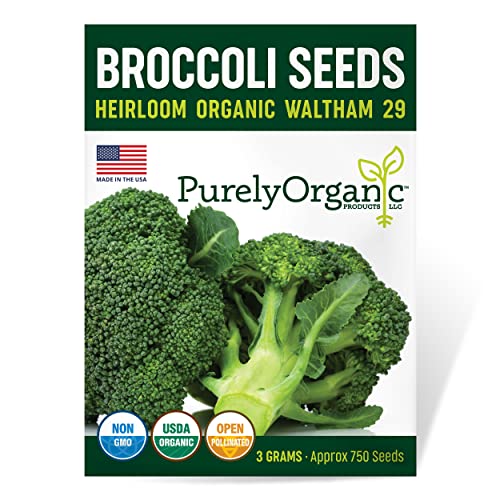
Brassica Oleracea Var. Italica: These finest quality, non-GMO, USDA Organic Waltham 29 Broccoli seeds produce crisp, crunchy, dark greenish-blue florets, leaves and stems that are packed with flavor and vitamins. They’re great on a plate!
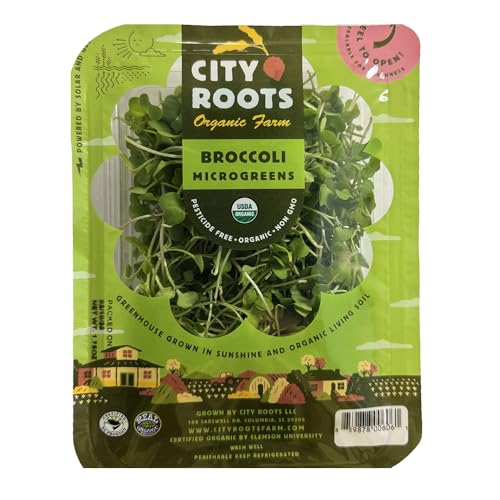

Fermented Broccoli for Detox Support: Dr. Mercola Fermented Broccoli Sprouts helps support your body's healthy detoxification processes and overall cellular health*
Conclusion
You’ve learned about the key factors to consider when deciding whether to buy organic broccoli. From health benefits to environmental impact, there are various aspects to weigh. While organic broccoli may come with a higher price tag, its nutrient content and sustainable farming practices could be worth the investment. Remember to explore local options and buy in season to make it more budget-friendly. Ultimately, it’s about aligning your values with your preferences when it comes to choosing between organic and conventional broccoli. Make an informed choice that suits your lifestyle and priorities.
Frequently Asked Questions
Q: What are the main factors to consider when choosing between organic and conventional broccoli?
A: Factors to consider include health benefits, pesticide concerns, environmental impact, cost, seasonal availability, and local options.
Q: What are the advantages of organic broccoli?
A: Organic broccoli may offer higher nutrient content and is grown without synthetic chemicals, promoting sustainable agriculture.
Q: How can I reduce the cost of buying organic broccoli?
A: Buying in season and exploring local markets can help reduce the costs associated with purchasing organic broccoli.
Q: How do I make an informed decision between organic and conventional broccoli?
A: Understanding the trade-offs and aligning preferences with values are essential when deciding between organic and conventional broccoli.
