

Ever wondered what to do with those leftover green bean plants after harvest? You’re not alone. Picture this: you’ve just finished picking the last of your green beans, and now you’re left with a pile of wilted plants. What’s the best way to handle them?
Importance of composting green bean plants
When it comes to your garden, composting green bean plants can be a game-changer. Here’s why it’s so crucial:
- Nutrient Boost: Composting green bean plants adds essential nutrients back into the soil, helping your future plants thrive.
- Soil Health: The decomposition process enriches the soil, improving its structure and fertility over time.
- Sustainable Practice: Reducing waste and lowering landfill contributions by composting your green bean plants is an eco-friendly choice.
Ready to dig in and start composting those green bean plants for a healthier garden?
Preparing green bean plants for composting
When it comes to preparing your green bean plants for composting, following these simple steps can make the process easy and efficient. By properly preparing your plants, you can ensure that the composting process is effective and yields nutrient-rich soil for your garden. Here are some tips to get you started:
- Harvesting: Begin by harvesting your green bean plants once they have reached maturity. Make sure to remove any leftover beans and discard diseased or pest-infested plant parts.
- Cutting: Cut the plants into smaller pieces to speed up the decomposition process. You can use pruners or scissors to chop the stalks, leaves, and vines into more manageable pieces.
- Mixing: Mix the green bean plants with other compostable materials, such as kitchen scraps, yard waste, and cardboard. This helps create a balanced compost pile with a good mix of greens and browns.
- Layering: Create alternating layers of green and brown materials to optimize decomposition. Green materials like green bean plants provide nitrogen, while brown materials like dried leaves or straw offer carbon.
- Moisture: Ensure that your compost pile has the right moisture level by watering it occasionally. The pile should be damp, similar to a wrung-out sponge, to support decomposition.
By following these steps, you can prepare your green bean plants for composting effectively, ultimately contributing to the health of your garden soil.
Recommended Products

CLEAN CUTS FOR LIVE GROWTH: Bypass blade design is ideal for pruning delicate flower stems and green growth, helping reduce crushing and plant damage while cutting stems and small branches up to 5/8” in diameter

· ULTRA-SHARP SK5 STAINLESS STEEL - Engineered with premium SK5 stainless steel, these heavy duty pruning shears deliver razor-sharp precision and maximum hardness. The rust-resistant blades are designed to stay sharp longer, effortlessly resisting corrosion and sap buildup for smooth, friction-free garden shears performance year after year.

IDEAL BRANCH TRIMMER: 28" Steel blade garden bypass lopper that glides through up to 1.5" thick branches for easy cuts; Works well for trimming tree branches to maintain your yard and garden, and to encourage overall plant health and appearance
Choosing the right composting method
When it comes to composting green bean plants, choosing the right method is crucial for a successful process. Here are some options to consider:
- Traditional Composting: Layer green bean plants with other compostable materials like grass clippings and leaves in a pile or bin. Turn the pile regularly to aerate it and speed up decomposition.
- Vermicomposting: Utilize worms to break down green bean plants into nutrient-rich compost. Create a worm bin and add in shredded green bean plants, along with some food scraps. The worms will do the rest.
- Bokashi Composting: Ferment green bean plants with bokashi bran in an air-tight bin. This method works well for those without outdoor space for traditional composting.
- Trench Composting: Bury green bean plants directly in a garden bed or trench. This method can help enrich the soil directly where your plants will grow.
Remember, the best method for composting green bean plants depends on your space, time, and resources. Choose the one that fits your needs and conditions best.
Recommended Products

Converting organic waste into nutrient-rich garden materials has created a year-round outdoor fine composting system, optimizing horticultural practices and promoting environmental protection

Compact, High-Efficiency Footprint Designed to maximize composting capacity while minimizing floor space.

Turning green bean plants into nutrient-rich compost
Once you have harvested your green bean plants, it’s time to turn them into nutrient-rich compost that will benefit your garden’s soil. Here are some methods you can use:
- Traditional Composting:
- Chop up the green bean plants into small pieces.
- Layer them with brown materials like leaves or straw in your compost bin.
- Turn the compost pile regularly to aerate it and speed up the decomposition process.
- Vermicomposting with Worms:
- Instead of heat, worms will break down the green bean plants into compost.
- Create a worm bin with bedding material and add the green bean plants.
- The worms will eat through the plants, producing vermicompost rich in nutrients.
- Bokashi Composting:
- Ideal for indoor spaces, bokashi composting uses a special mix of microbes to ferment the green bean plants.
- Layer the plants in a bokashi bin and sprinkle the microbial mix.
- Seal the bin and let it ferment for a few weeks before mixing it into your garden soil.
- Trench Composting:
- Simply bury the green bean plants directly into garden beds.
- This method enriches the soil as the plants break down over time.
These methods offer environmentally-friendly ways to recycle your green bean plants into compost, reducing waste and improving soil fertility for future plantings.
Recommended Products

【In Ground Compost Bin】Transform kitchen scraps and organic waste into rich, nutrient-packed compost with this buried compost bin. Its 360-degree ventilation design features small air holes that promote optimal heat retention and air circulation, Designed to be partially buried in the soil, creating a contained space for composting while allowing worms to move freely and help loosen the surrounding soil.
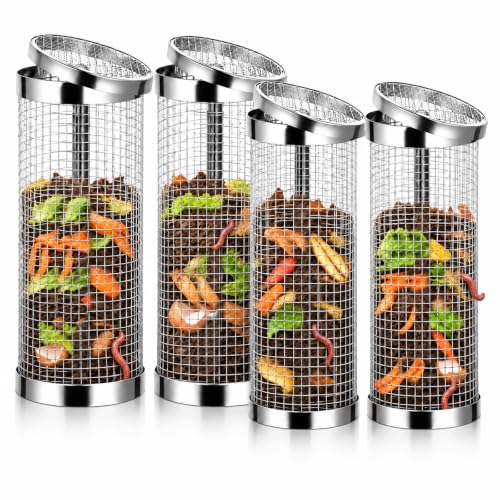
【Complete 4-Piece Set for Multi-Stage Use】:This worm composting bin set includes two 3.6 x 3.6 x 11.8-inch and two 4.3 x 4.3 x 12.2-inch bins. Use smaller bins for kitchen scraps and larger ones as an in-ground worm composter or garden compost bin. A flexible worm farm kit for different garden spaces.

Efficient Air Circulation: The holes on the garden compost bin facilitate excellent air circulation, increasing surface contact and improving fermentation. This speeds up the composting of materials like leaves, grass clippings, cardboard, coffee grounds, and kitchen scraps. Note: Due to the lightweight nature of the product, it is recommended to securely hold the composter in place after assembly.
Tips for successful composting
When composting your green bean plants, there are a few key tips to keep in mind to ensure successful decomposition and nutrient-rich soil for your garden:
- Chop Your Green Bean Plants: Breaking down the plants into smaller pieces will help speed up the composting process. Aim for pieces that are around 4-6 inches in length.
- Balance Your Compost: Remember to balance the green nitrogen-rich materials from your green bean plants with brown carbon-rich materials like dried leaves or straw. This balance is crucial for successful decomposition.
- Turn Your Compost Pile: Regularly turning your compost pile will help aerate it, allowing for better decomposition and preventing unpleasant odors. Consider turning your pile every 1-2 weeks.
- Monitor Moisture Levels: Keep an eye on the moisture levels in your compost pile. It should feel like a damp sponge – not too dry and not too soggy. Adjust by adding water or dry materials as needed.
- Be Patient: Composting takes time. Depending on the method you choose, it can take anywhere from a few weeks to several months for your green bean plants to fully break down.
- Use Finished Compost Wisely: Once your compost is ready, use it to enrich your garden soil. Mix it into the top few inches of soil to improve fertility and provide essential nutrients for your plants.
By following these tips, you can successfully compost your green bean plants and create nutrient-rich soil to support healthy plant growth in your garden.
Conclusion
You now have the tools to compost green bean plants effectively. Remember to chop them into smaller pieces, balance green and brown materials, turn the pile regularly, monitor moisture levels, and be patient. Your efforts will pay off when you use the nutrient-rich compost to enhance your garden soil. Happy composting!
Frequently Asked Questions
How should I prepare green bean plants for composting?
To prepare green bean plants for composting, chop them into smaller pieces to speed up the decomposition process and promote airflow within the compost pile.
What should I do to ensure successful composting of green bean plants?
To ensure successful composting of green bean plants, balance nitrogen-rich green materials (like green bean plants) with carbon-rich brown materials, turn the compost pile regularly to aerate it, monitor moisture levels to keep it damp but not soggy, and be patient as composting can take several weeks to months.
How can I use the finished compost in my garden?
Use the finished compost to enrich garden soil by mixing it into the soil before planting or as a top dressing around existing plants. The nutrient-rich compost will help improve soil structure, moisture retention, and provide essential nutrients for healthy plant growth.
