

Ever wondered why those once vibrant green bean leaves suddenly start looking like they’ve seen better days? Picture this: you’re tending to your garden, and you notice peculiar orange spots spreading across your beloved bean plants. What’s going on there? Don’t fret, we’ve got you covered!
Understanding Bean Rust
Bean rust is a common fungal disease that affects bean plants and can lead to significant damage if not addressed promptly. Here’s what you need to know:
- Signs of Bean Rust:
- Orange Spots: One of the most noticeable signs of bean rust is the appearance of small, circular orange spots on the leaves of your bean plants.
- Leaf Deterioration: As the disease progresses, the affected leaves may start to deteriorate, affecting the overall health of the plant.
- Reduced Plant Growth: Bean rust can hinder the growth and productivity of your bean plants if left untreated.
- Treatment Options:
- Fungicides: Applying fungicides can help control and prevent the spread of bean rust on your plants.
- Pruning: Removing infected leaves and plants can help stop the spread of the disease.
- Improving Air Circulation: Enhancing air circulation around your plants can help prevent the development of bean rust.
- Prevention Tips:
- Plant Resistant Varieties: Opt for bean plant varieties that are resistant to rust to reduce the risk of infection.
- Crop Rotation: Rotate your bean crops with non-host plants to minimize the chances of bean rust recurrence.
- Maintain Plant Health: Keeping your bean plants healthy with proper watering, fertilization, and maintenance can make them less susceptible to diseases like rust.
Take proactive steps to identify and address bean rust to ensure the health and productivity of your bean plants.
Recommended Products

STOPS THE PATCHES SPREADING - Brown patch, dollar spot, summer patch and rust start small and move fast in warm, damp weather. Treat at the first discolored ring, not once the lawn thins out.

CONTROLS A VARIETY OF INSECTS AND DISEASES - Sulfur Plant Fungicide is effective against rust, leaf spot, powdery mildew, chiggers, thrips, scale, and listed mites.

Control and prevent common garden diseases with Sulfur Plant Fungicide Micronized Spray or Dust from Bonide!
Signs of Bean Rust
If you’re wondering how to spot bean rust early, keep an eye out for these key indicators:
- Look for orange rust-colored spots on the leaves.
- Watch for signs of leaf deterioration like yellowing or browning.
- Notice any stunted or reduced growth in your bean plants.
Treatment Options
When dealing with bean rust, it’s important to act promptly. Consider these treatment methods:
- Apply fungicides to control the spread of rust.
- Prune infected plant parts to prevent further damage.
- Improve air circulation around your plants by spacing them adequately.
Remember, early detection and swift action are crucial in managing bean rust effectively.
Prevention Methods
To prevent bean rust from affecting your plants, here are some proactive measures you can take:
- Plant Resistant Varieties: Choose bean varieties known to be resistant to rust.
- Maintain Plant Health: Keep your plants healthy by providing proper nutrition and watering.
- Spacing: Plant your beans with adequate spacing to enhance air circulation.
- Avoid Overhead Watering: Minimize wetting the foliage to prevent ideal conditions for rust development.
- Remove Infected Debris: Regularly remove and dispose of infected plant parts to prevent the spread of the disease.
Remember, prevention is key in protecting your bean plants from the damaging effects of rust.
Recommended Products
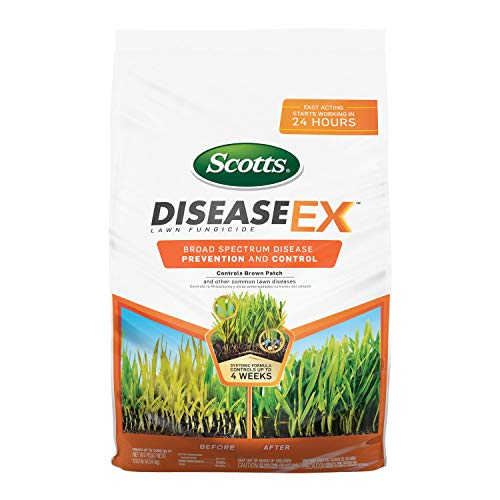
DISEASE CONTROL & PREVENTION: Use Scotts DiseaseEx Lawn Fungicide, a fungus control for lawns, to prevent disease before it appears and control disease at the first sign of symptoms

CURES & PREVENTS LAWN DISEASES: Fungus Control for Lawns controls and prevents listed lawn diseases; Can be used on all lawn types; Use only on lawns

3-in-1 FORMULA: Aphid spray for outdoor plants for use on roses, flowers, shrubs and trees to control listed insects, disease and mites
Treatment Options
When it comes to treating bean rust, there are several approaches you can take to help your plants recover and thrive. Here are some effective treatment options for dealing with this pesky fungal disease:
- Fungicides: Applying fungicides at the first sight of rust can help prevent further spread and protect unaffected leaves. Look for fungicides specifically formulated for bean rust for optimal results.
- Pruning: Carefully pruning away infected parts of the plant can help stop the rust from spreading to healthy areas. Remember to sanitize your tools after each cut to prevent contamination.
- Cultural Practices: Implementing good cultural practices can also play a crucial role in managing bean rust. This includes ensuring proper plant spacings, avoiding overhead watering, and promptly removing any infected debris to prevent the disease from taking hold.
- Resistant Varieties: Choosing bean varieties that are resistant to rust can provide an added layer of protection for your plants. Check with your local extension office or nursery for recommendations on resistant cultivars.
- Organic Approaches: For those looking for organic treatment options, consider neem oil or copper-based fungicides, which can help control rust while minimizing harm to the environment.
To effectively combat bean rust, a combination of these Treatment Options along with preventative measures is key to ensuring the health and vitality of your bean plants.
Recommended Products

FOR ORGANIC GARDENING - Captain Jack's NeemMax is a perfect pest control solution for any garden dealing with mites, flies, mildew, and more. This product is a four-in-one insecticide, fungicide, miticide, and nematicide.

Protect your oasis with 3 garden products in 1 from Captain Jack’s; Bonide Captain Jack’s Ready-to-Use Neem Oil spray for plants is a multi-purpose fungicide, insecticide and miticide for your lawn & garden

Protect your oasis with Captain Jack’s Neem Max Ready-to-Use Spray; this multipurpose product acts as a 4-in-1 insecticide, fungicide, miticide and nematicide
Conclusion
You now have a good understanding of the signs of bean rust and how to treat it. By considering the treatment options discussed in the article, such as using fungicides, pruning infected parts, and implementing cultural practices, you can effectively manage bean rust and ensure the health of your bean plants. Remember to combine these treatments with preventative measures for the best results. Keep an eye out for early signs of bean rust and take prompt action to protect your bean crop. With the right approach, you can successfully combat bean rust and enjoy a thriving bean harvest.
Frequently Asked Questions
What are the treatment options for managing bean rust?
There are several treatment options for managing bean rust:
- Fungicides: Utilize commercial fungicides to control the spread of bean rust.
- Pruning: Remove and discard infected plant parts to prevent further infestation.
- Cultural practices: Maintain proper plant spacing and remove debris to reduce humidity levels.
- Varietal selection: Opt for bean varieties that are resistant to bean rust.
- Organic approaches: Consider using neem oil or copper-based fungicides for eco-friendly control.
Why is it essential to combine treatments with preventative measures?
Combining treatments with preventative measures is crucial to effectively combat bean rust because:
- Prevention: Helps reduce the chances of bean rust developing.
- Overall plant health: Supports the general well-being of bean plants.
- Long-term protection: Provides lasting defense against future infestations.
- Integrated approach: Ensures a holistic strategy for managing bean rust effectively.
