

Ever wondered how to grow vibrant, delicious beets right in your own garden? Imagine stepping outside and harvesting fresh, juicy beets for your salads or soups. Sounds enticing, doesn’t it?
Picture this: you’re at the grocery store, eyeing those pricey organic beets, when suddenly you remember your garden at home. What if you could effortlessly cultivate your own beets, saving money and enjoying a bountiful harvest?
In this article, you’ll discover simple yet effective tips on growing beets in your garden. From planting to harvesting, we’ve got you covered. Get ready to elevate your gardening game and savor the satisfaction of homegrown beets on your plate.
Choosing the Right Beet Varieties
When choosing beet varieties for your garden, consider the following:
- Hestia Beets: Perfect for small spaces and container gardening.
- Boltardy Beets: Resistant to bolting, great for beginners.
- Chioggia Beets: Unique pink and white rings when sliced, adds color to dishes.
- Golden Beets: Mild and sweet flavor, don’t stain like red beets.
Select varieties based on space, growing conditions, and personal preferences.
Preparing the Soil for Beet Cultivation
When it comes to growing beets in your garden, preparing the soil is a crucial step that sets the foundation for successful cultivation. Here are some key tips to ensure your beet seeds have the best environment to thrive:
- Choose a Sunny Spot: Select a sunny location with well-draining soil for optimal beet growth.
- Clear the Area: Remove any weeds or debris from the planting site to prevent competition for nutrients.
- Loosen the Soil: Use a garden fork to loosen the soil at least 12 inches deep to promote good root development.
- Add Organic Matter: Mix in compost or aged manure to enrich the soil with nutrients essential for beet growth.
- Avoid High Nitrogen: Beets prefer soil with moderate nitrogen levels, so avoid using high-nitrogen fertilizers.
- Test the pH: Ensure the soil pH is between 6.0 and 7.0, as beets thrive in slightly acidic to neutral soil.
| Soil pH Range | Beet Growth |
|---|---|
| 6.0-7.0 | Optimal |
Follow these soil preparation steps to create an ideal growing environment for your beet crop.
Recommended Products

Quick, at home results for Soil pH, Nitrogen, Phosphorous and Potash Innovative and inexpensive soil test kit features an easy-to-use capsule system and patented color comparators

Accurate Soil pH Testing: Dewildetradingco Soil pH Test Strips offer measurements of soil pH levels (pH 3.5-9). As an essential tool for every gardener and grower, these test strips help determine the optimal pH for various plants, such as outdoor plants, indoor plants, gardens, grass lawns, fruit trees, flowers, vegetables, and forest shrubs.

Kindly NOTE: This soil tester can not be applied to test pH value of any other liquid. If the soil is too dry the indicator will not move, and water it before testing.
Planting Beet Seeds or Seedlings
When planting beet seeds or seedlings in your garden, follow these simple steps to ensure a successful start for your beet crop:
- Choose the Right Time: Plant beet seeds directly in the garden two to four weeks before the last expected frost date in your area. Alternatively, you can start seedlings indoors three to four weeks before the last frost date to get a head start.
- Prepare the Soil: Ensure the soil is loose, well-draining, and rich in organic matter. Dig 1-2 inches deep furrows in rows about 12-18 inches apart.
- Planting Depth: Plant beet seeds 1/2 inch deep and 2 inches apart. If using seedlings, plant them carefully in the furrows.
- Thin Seedlings: Once the beet seedlings reach 2-3 inches in height, thin them to stand 3-4 inches apart to give each plant enough room to grow.
- Watering: Keep the soil consistently moist but not waterlogged. Beets require about 1-2 inches of water per week, depending on the weather.
- Fertilizing: Avoid high-nitrogen fertilizers as they can promote more leaf growth than root development. Instead, opt for a balanced fertilizer.
- Mulching: Consider mulching around the beet plants to help retain moisture in the soil and suppress weed growth.
- Beet Variety: Choose a beet variety that suits your preferences, whether you prefer red, golden, or striped beets.
By following these steps, you can plant your beet seeds or seedlings with confidence, setting the stage for a bountiful harvest in your garden.
Recommended Products

NUTRIENT-RICH, NATURAL, AND ORGANIC SOIL: Grow a bountiful garden in your home with the Back to the Roots All-Purpose Natural and Organic Peat-Free 3-in-1 Seed Starting Mix, packed with the nutrients needed for your plants, flowers, and vegetables to thrive

Miracle-Gro Indoor Potting Mix for Seed Starting grows stronger roots for seeding success (vs unfed when used as directed)

Includes Back to the Roots Compressed Seed Starting Potting Mix that expands to 12qt of soil. A balanced pH, which means it’s truly all-purpose. Use alone or as an amendment for anything in a pot or in the ground — vegetables, flowers, herbs, and even starting seeds.
Caring for Beet Plants
Taking care of your beet plants is crucial for a successful harvest. Here are some essential tips to keep your beet plants healthy and thriving:
- Watering: Beet plants require consistent watering to keep the soil evenly moist, especially during hot weather. Water deeply to encourage root development.
- Weeding: Regularly check for weeds around your beet plants and remove them promptly to prevent competition for nutrients and water.
- Harvest: Harvest your beets when they reach the desired size, typically around 1-3 inches in diameter. Use a garden fork to gently lift them from the soil.
- Pest Control: Keep an eye out for common pests such as aphids and flea beetles. Consider natural remedies or insecticidal soap to manage infestations.
| Watering Schedule | Twice a week, 1-2 inches per week |
|---|---|
| Harvest Size | Typically 1-3 inches in diameter |
| Common Pests | Aphids, flea beetles |
By following these care tips, you’ll ensure your beet plants grow vigorously and reward you with a bountiful harvest.
Recommended Products
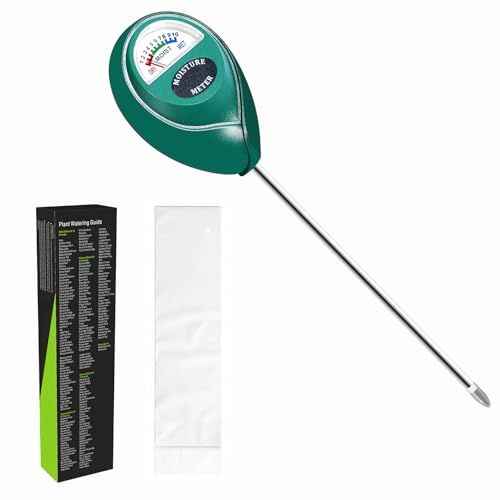
Trusted Since 2015: Become one of the many plant lovers who rely on the proven accuracy of XLUX. Established in 2015, our soil moisture meter has earned over 60,000+ verified ratings for its consistent performance. While many many newer brands come and go, we provide the long-term reliability and quality that American households have trusted for over a decade.
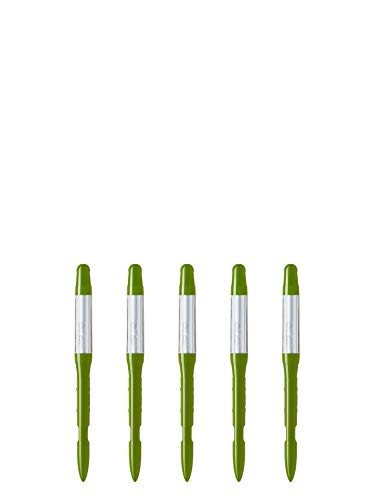
Dimensions: 0.4 x 0.3 x 4.7 inches (small) - Intended for pot sizes of 2, 2.5, and 3 - Ideal for small succulents
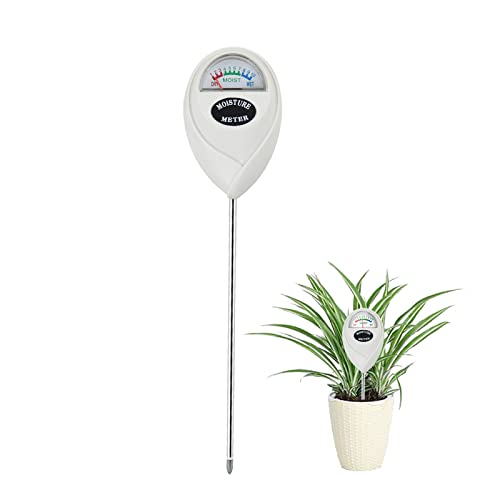
【SAVE YOUR PLANTS】: Over watering can cause problems with your plants or even kill them. This soil moisture meter helps you know the soil is dry, moist or wet.No more over watering!
Harvesting and Storing Your Beets
When it’s time to harvest your beets, you want to ensure they’ve reached 1-3 inches in diameter for the best flavor and texture. Here are some steps to follow:
- Gently loosen the soil around the beets to avoid damaging them.
- Take hold of the green tops and pull the beets out one by one.
- Remove the tops, leaving an inch or so of stem to prevent bleeding.
For storage, here’s what you can do:
- Store unwashed beets in the refrigerator for up to 2-3 weeks.
- If you want to store them longer, remove the tops and freeze the beets after blanching.
- You can also pickle your beets for a tasty treat all year round.
Conclusion
Now that you’ve learned the essential care tips for growing beets in your garden, you’re well on your way to enjoying a plentiful harvest. Remember to water your plants regularly, keep the weeds at bay, and harvest your beets when they’re the perfect size. By following these simple steps, you’ll soon be able to savor the delicious taste of homegrown beets. Whether you choose to store them in the fridge, freeze them for later use, or pickle them for a zesty treat, your efforts in caring for your beet plants will surely pay off. Happy gardening and enjoy the fruits (or veggies!) of your labor!
Frequently Asked Questions
How often should I water my beet plants?
Water beet plants consistently, aiming for about 1-2 inches of water per week, including rainfall.
When is the best time to harvest beets?
Harvest beets when they reach 1-3 inches in diameter for the best flavor and texture.
How do I store harvested beets?
Store harvested beets in the refrigerator for 2-3 weeks with the tops intact. For longer storage, remove the tops and freeze after blanching or pickle for a tasty treat.
What are common pests that affect beet plants?
Common pests that affect beet plants include aphids, leafminers, and flea beetles. Monitor your plants regularly and treat infestations promptly.
