

Ever found yourself staring at your beet patch, wondering if those vibrant roots are ready to be pulled from the ground? How do you know when beets are at their peak for harvesting? Picture this: you’re eagerly anticipating the sweet crunch of homegrown beets on your plate, but the uncertainty lingers. In this article, we’ll unravel the mystery and guide you through the telltale signs that scream, “Harvest me!” Get ready to transform your beet-growing game with confidence.
Understanding Beet Growth Cycle
To determine the ideal harvest time for your beets, it’s essential to understand the beet growth cycle. Here’s a breakdown:
- Germination: Beets typically germinate within 5 to 10 days after planting.
- Leaf Growth: Shortly after germination, beet leaves begin to grow, and they will reach their full size within 4 to 6 weeks.
- Root Development: The real prize of the beet, the root, starts to form around 6 to 8 weeks after planting.
As you monitor your beets’ progress, keep an eye on the root size to gauge when they are ready to be harvested.
Checking Beet Size and Shape
When it comes to determining if your beets are ready for harvest, checking their size and shape is a crucial step. Here are some key points to consider:
- Beet Size:
- Look for beets that are about 1 to 3 inches in diameter. This is typically a good indicator that they have reached a mature size.
- Avoid letting beets grow too large, as they might become tough and lose flavor.
- Beet Shape:
- A mature beet is usually round or oval in shape. Irregularly shaped beets may still be edible but might not have developed as fully as desired.
- Consistency:
- Gently squeeze the beet to assess its firmness. A beet ready for harvest should be firm to the touch, indicating a good level of maturity.
- Visual Appearance:
- Inspect the beet for a smooth skin texture. Rough or cracked skin could be a sign of over-maturity or poor growing conditions.
By keeping these points in mind and regularly monitoring the size, shape, and consistency of your beets, you’ll be better equipped to know when the time is right to harvest them.
Remember, the best way to ensure a successful beet harvest is to pay close attention to these visual cues and adjust your harvesting schedule accordingly.
Assessing Beet Color and Texture
When assessing beet color and texture, aim for vibrant hues and a firm feel:
- Beet color: Look for deep, rich colors like purple, red, or golden yellow.
- Texture: Feel for a smooth, firm skin without soft spots.
As beets mature, their color intensifies, signaling readiness for harvest:
- Young beets may have a lighter color, while mature ones boast a deeper hue.
Monitoring Beet Growth Progress
To ensure optimal harvest time, track beet growth regularly:
- Check color and size at least every few days to gauge progress.
- Use a gentle touch to assess texture as beets develop.
Testing Beet Tenderness
To assess the tenderness of your beets, try gently pressing a finger against the skin. A ripe beet should offer a slight give, indicating juiciness and flavor.
Opt for beets with smooth skins and firm textures as these are signs of readiness. Overly soft spots might suggest the beet is past its prime.
When harvesting, remember that smaller beets tend to be more tender, perfect for salads or pickling. Consider the ways you plan to use your beets when determining the ideal tenderness for your harvest.
Ensure you regularly check the tenderness as beets continue to grow, waiting for the moment when they reach the perfect balance of flavor and texture for your preferences.
| Fact | Data |
|---|---|
| Ripe beets have a slight give when gently pressed | |
| Smooth skins and firm textures indicate readiness | |
| Smaller beets are generally more tender | |
| Check tenderness regularly as beets continue to grow |
Harvesting Techniques
- When it comes to harvesting beets, there are a few key techniques to keep in mind to ensure you pick them at the peak of readiness. Here are some practical tips to guide you:
1. Assessing Size:
- Beet size is a good indicator of readiness. Smaller beets, typically around 1 to 2 inches in diameter, tend to be more tender and sweet. Larger beets may still be tasty but can be tougher in texture.
2. Checking Firmness:
- Gently squeeze the beet to check for firmness. Ripe beets should feel dense yet slightly yielding, indicating juiciness and optimal flavor. Avoid beets that feel too hard or soft.
3. Inspecting Skin Texture:
- Opt for beets with smooth, wrinkle-free skins. Rough or blemished skins may indicate over-maturity or damage, impacting both texture and taste.
4. Consider Intended Use:
- Think about how you plan to use your beets. If you’re looking for a more tender beet, harvest them on the smaller side. For pickling or roasting, you might prefer slightly larger beets.
- Keep a close eye on your beets as they grow. Check their tenderness regularly by gently pressing the skin to find the perfect balance of flavor and texture that suits your preferences.
Remember, the key to harvesting delicious beets is patience and careful observation throughout the growing process.
Recommended Products

ULTRA STRONG WORK GLOVES HELP YOU GET THE JOB DONE - Pine Tree Tools yard work gloves and gardening gloves provide ultimate protection for your hands while undertaking almost any task.

Durable Synthetic Leather Grip: Made of 100% faux suede leather, our puncture proof garden gloves will keep your hands safe from most thorns or spikes. Protect delicate skin away from scratches while digging, pulling or picking fruits. Greatly help to remove fear of thorny rose, cactus, blackberry, barberry, raspberry, dewberry, gooseberry, hawthorn, pyracantha and etc
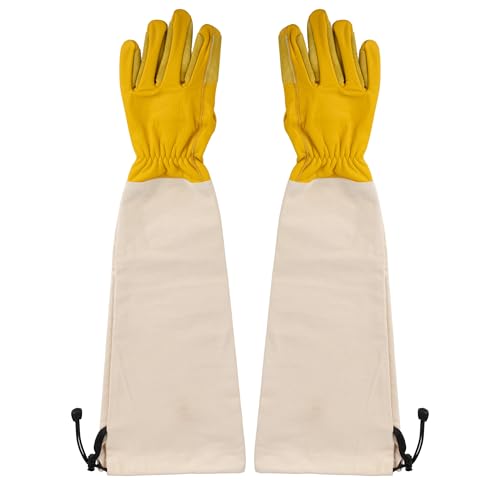
LARGE MENS GARDENING GLOVES - Tackle tough yard work tasks like pruning rose bushes and pulling prickly weeds with these thorn proof gardening gloves. The rose gloves feature tough but flexible materials that allow ease of movement for intricate tasks.
Conclusion
Harvesting beets at the right time ensures the best flavor and texture. Remember to consider size, firmness, and skin smoothness when determining readiness. Whether you prefer tender beets for salads or firmer ones for pickling, monitoring their growth is essential. By being patient and attentive, you’ll be rewarded with delicious beets for your culinary creations. Happy harvesting!
Frequently Asked Questions
How should I determine when to harvest beets?
Harvest beets when they reach 1.5-3 inches in diameter, favoring smaller beets for tenderness and sweetness.
How can I check if a beet is ready for harvest?
Gently squeeze the beet to check for firmness and juiciness. Select beets with smooth skins to avoid over-maturity or damage.
What should I consider when selecting beets for harvesting?
Consider your intended use – whether for tenderness or pickling – when choosing beets for harvest.
Why is monitoring beet tenderness important during growth?
Regularly monitoring beet tenderness allows you to achieve the desired balance of flavor and texture.
What is the key to harvesting delicious beets?
Patience and careful observation are essential when harvesting beets to ensure delicious flavor and optimal readiness.
