

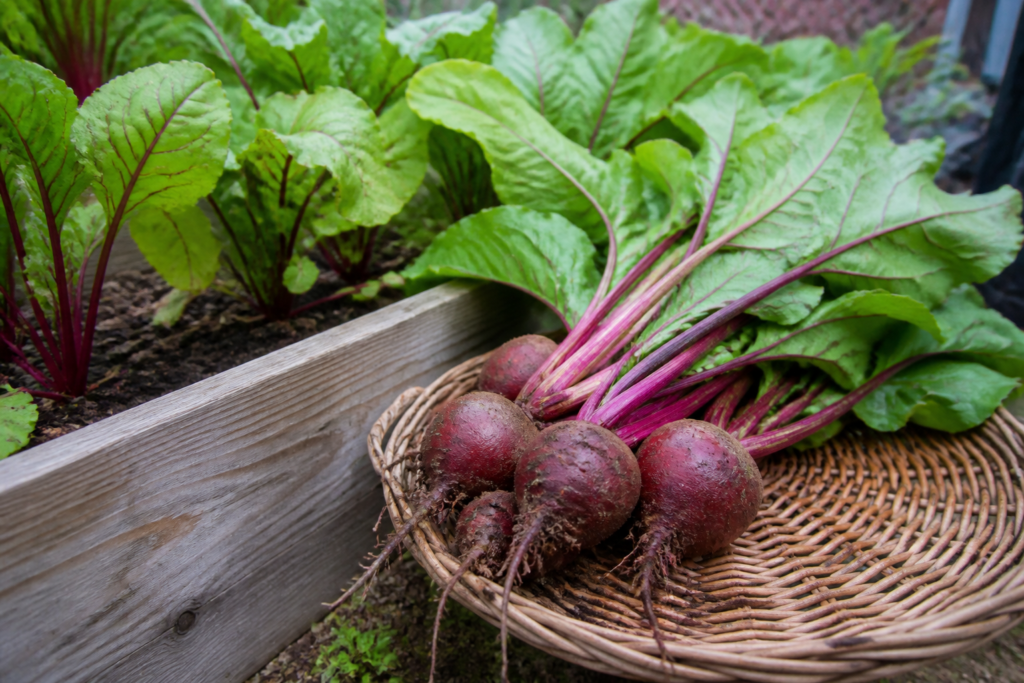
Beets can be harvested over a long window because both the roots and greens are edible and the “right” size depends on how you plan to use them. The calendar is only a checkpoint. A better harvest decision combines the variety’s maturity range, the visible root shoulder, weather, and whether you want tender baby beets, medium roots for cooking, or a larger storage crop.
This guide helps you choose a harvest moment, lift roots without damage, handle greens properly, and store what you pick. For planting and care before harvest, see the Complete Guide to Growing Beets.
Use days to maturity as a checkpoint, not a command
Many beet varieties reach a useful size about 50 to 80 days after sowing, but temperature, light, soil, thinning, and variety affect the pace. Cool fall weather can lengthen the schedule; hot, dry weather can toughen roots before they become very large. Start checking a few plants near the early end of the packet range instead of waiting for every root to reach the same date.
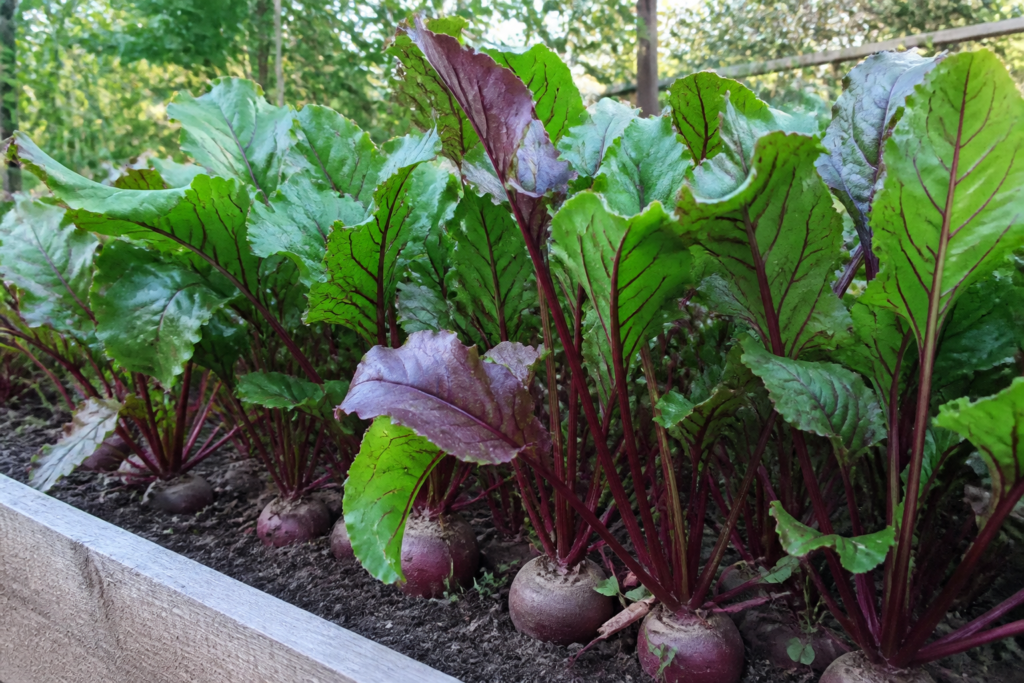
Brush a small amount of soil away from the shoulder of a representative beet. Compare the visible diameter to the variety description and to your intended use. Roots around golf-ball to tennis-ball size are often a good quality range, but there is no need to wait for the largest possible root. Selective harvest gives remaining plants more room and lets you learn what the variety does in your garden.
Choose the harvest day and prepare the bed
Harvest when the soil is slightly moist rather than bone dry or waterlogged. Dry soil grips roots and can make tops break; saturated soil clings to roots and compacts easily. If rain has not arrived and the bed is hard, water lightly several hours before harvest. If the ground is muddy, wait until it drains enough to work without smearing the bed.
Use a hand fork, broadfork, or trowel to loosen soil beside the row. Work from the side so you do not spear the root. This matters most in clay, raised beds that have settled, and plantings where roots are close together. The Beet Soil Guide explains why a loose root zone makes both growing and lifting easier.
Lift beets without snapping the tops
- Choose a root that is at the size you want, or choose the smallest plant in a crowded patch.
- Insert a fork or trowel several inches beside the root and lift the soil gently.
- Hold the crown and pull only after the soil has loosened. Do not yank hard on foliage alone.
- Shake off loose soil; wash only when you are ready to use or refrigerate the roots.
- Twist or cut greens about an inch above the crown if storing roots for more than a few days.
Broken tops are not a disaster. Loosen the soil again and lift the root from the side rather than digging straight down through the row. If a root is nicked, use it first; damaged roots do not store as long as sound ones.
Harvest greens without sacrificing the whole root crop
Young beet greens are edible and can be used like other leafy greens. You can harvest a few outer leaves from established plants while leaving the center growth intact. Do not remove most of the foliage repeatedly from plants you want to finish into large roots; leaves provide the energy that supports root growth. Thinnings are another easy source of tender greens. The thinning guide explains how to use them.
Separate greens from roots promptly after a root harvest. Leaves draw moisture from the root, so attached tops shorten storage life. Refrigerate greens in a breathable bag or container and use them sooner than the roots.
Match storage to the amount you harvested
| Harvest amount | Best handling approach | What to expect |
|---|---|---|
| A few roots for this week | Trim greens, refrigerate unwashed roots in a bag with some airflow. | Good quality for ordinary kitchen use. |
| Greens and bunches | Keep leaves cool and use quickly; store roots separately. | Greens fade faster because they lose water readily. |
| Large fall harvest | Trim tops, cool promptly, and store sound roots cold and humid. | Beets can keep for months near 32–35°F with very high humidity. |
| Damaged or oversized roots | Use first by roasting, grating, pickling, or soup-making. | Quality may be fine for cooking but less suitable for long storage. |
Home refrigerators vary, and dry refrigerator air can shrivel roots. A perforated bag or covered container helps retain humidity while still allowing some airflow. Check stored roots periodically and remove any that are soft or decaying so they do not affect the rest.
Fall harvest and cold weather decisions
Established beets tolerate light frost better than warm-season crops, and cool weather can improve the quality of many fall roots. However, the safe plan depends on local conditions. Where soil freezes hard, roots can be damaged or become impossible to lift. Where autumn is mild, you may leave near-mature roots in the bed and harvest gradually. A thick mulch layer can moderate soil temperature in some gardens, but it is not a substitute for monitoring a severe freeze forecast.
Use your local frost history and soil conditions, not a single universal date. The seasonal timing guide can help you decide when a fall crop needs to be lifted.
Common harvest problems and what they mean
- Foliage breaks off: soil was too firm or the root was pulled before it was loosened. Dig beside the root and lift gently.
- Roots are cracked: uneven moisture during growth is a common contributor. Use cracked roots promptly.
- Roots are small: check whether the stand was crowded, the crop is still early, or the bed became hot, dry, or shaded. See why beets make leaves but small roots.
- Roots are woody or coarse: they may have grown too long through heat or water stress. Harvest younger from the next sowing.
- Green shoulders: a little exposed crown can discolor; trim if desired and cover roots lightly during growth next time.
Harvest over time or clear the bed?
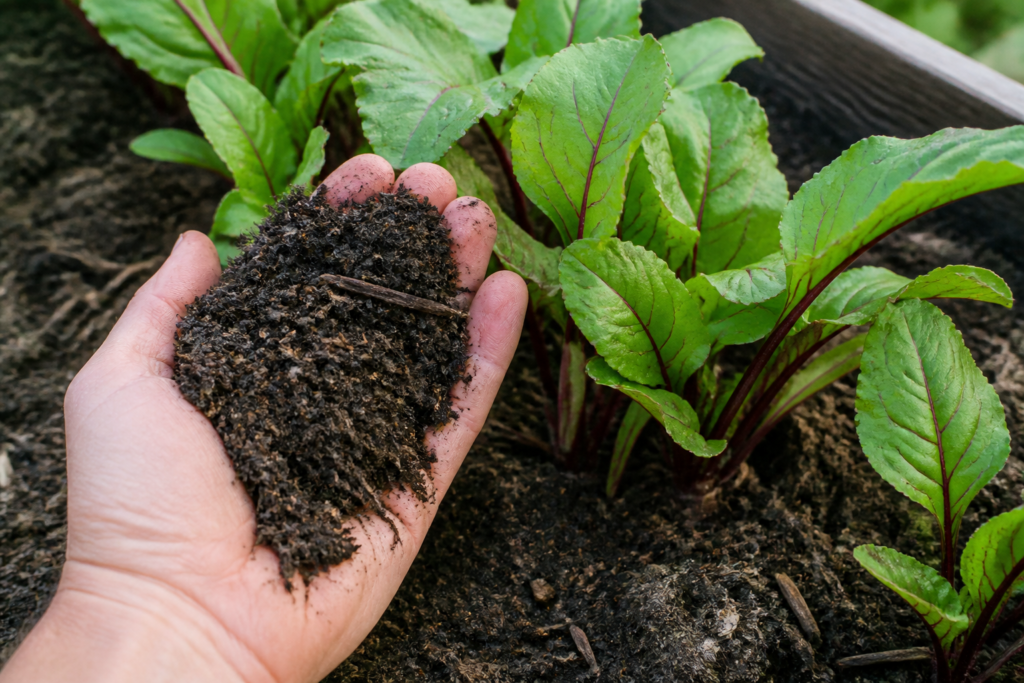
Selective harvesting suits gardeners who want a longer kitchen harvest. Pull the largest roots first, then let smaller, well-spaced plants continue. Clearing the bed at once makes sense when a hard freeze is expected, a new crop needs the space, or you plan to store a large batch. In either case, remove plant debris that looks diseased and avoid planting beets or closely related chard in the same spot repeatedly if root disease has been a concern.
Use harvest size to manage the row
Harvesting is also a spacing tool. If two roots are close together, pull the smaller one first and let the other finish. This works especially well in a row that was intentionally left slightly close for a baby-beet harvest. Check the next plants a week or two later rather than pulling the entire row based on one root.
For a storage harvest, select only sound roots with no deep cuts, soft spots, or signs of decay. Separate damaged roots immediately for cooking. This simple sorting step is more useful than trying to make every beet keep for the same length of time.
Keep quality after harvest
Roots lose moisture slowly; greens lose it quickly. Trim tops, keep roots cool, and avoid leaving a harvest in sun or a warm car. If you are not storing a large crop, a refrigerator crisper or bagged container is usually enough for short-term use. For long storage, cool roots as soon as practical and check them periodically rather than forgetting them until spring.
Reset the bed thoughtfully
After harvest, remove diseased debris and weeds, but leave healthy roots and fine plant material only if you are composting them properly. Avoid compacting the empty bed while cleaning it up. Note where the crop was planted so you can rotate beets and chard to another area if disease was a problem.
Make a harvest note for the next planting
Record the sowing date, first harvest date, variety, average root size, and any storage issue. If roots were consistently small, cracked, or coarse, the note will help distinguish a harvest-timing problem from a season-long issue with spacing, soil, or moisture. A simple record makes the next sowing easier to adjust.
Frequently Asked Questions
Can beets stay in the ground after they reach harvest size?
Yes for a period, especially in cool weather, but quality can decline if roots become very large, the soil freezes hard, or the crop faces repeated water stress. Harvest based on size and conditions rather than leaving them indefinitely.
Are beet leaves edible?
Yes. Young leaves and thinnings are edible. Harvest a few outer leaves at a time if you still want the root to grow.
Should I wash beets before storage?
For a large stored harvest, brush off loose soil and keep roots cool; washing is often best delayed until use unless you can dry and chill them promptly. For short-term refrigerator storage, clean roots can be bagged after drying.
