

Ever wondered why your beet seeds just won’t sprout? Picture this: you eagerly plant your seeds, but days go by with no signs of life. Frustrating, right? Well, fret not, dear gardener! In this article, you’ll unlock the secrets to successfully germinating beet seeds.
What if you could transform those dormant seeds into thriving beet plants? Imagine the joy of seeing those vibrant green shoots emerge from the soil, promising a bountiful harvest. With our simple yet effective tips, you’ll soon be on your way to a flourishing beet garden in no time.
Selecting high-quality beet seeds
To ensure successful germination, choosing high-quality beet seeds is crucial. Here are some tips to help you pick the best seeds for your beet garden:
- Check the Date: Opt for fresh seeds. Older seeds may have a lower germination rate.
- Look for Certifications: Choose certified organic or non-GMO seeds for healthier plants.
- Read Reviews: Research and select reputable seed suppliers with positive feedback.
- Consider Varieties: Pick beet seed varieties that are suitable for your climate and desired taste.
When selecting your beet seeds, remember that starting with quality seeds sets the foundation for a successful germination process.
Recommended Products

TOP-RATED NUTRITIONAL HEIRLOOM: Detroit Dark Red is a premium, high-yielding, and stress-resistant beet variety that stands at the pinnacle of root vegetables. This all-season favorite is a mid-early universal cultivar, perfect for consistent home harvests of professional quality.

These finest quality USDA Organic Golden Detroit Beet Seeds produce golden orange and yellow beetroots. They're fast growers with a unique look and a crisp, sweet taste ideal for cooking and salads.
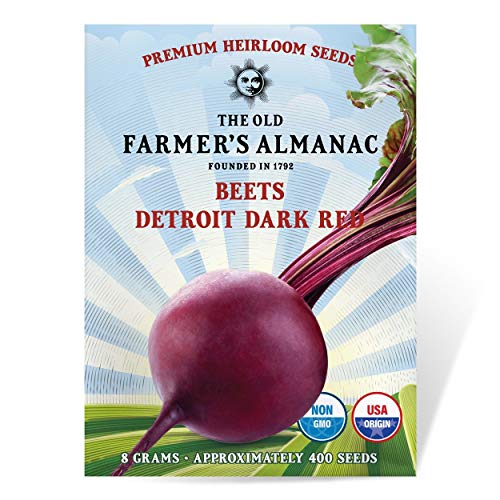
Growing Tips - Beets are a cool weather crop best sown directly in early spring, after the danger of frost has passed, or in early fall. After 45-55 days, beets should be 2-3" wide; but they can be harvested earlier if “baby” beets are preferred.
Providing optimal growing conditions
To germinate beet seeds successfully, it’s essential to create optimal growing conditions for them. Here are some key factors to consider:
- Moisture: Keep the soil moist but not waterlogged during germination.
- Temperature: Maintain a consistent temperature between 60-75°F (15-24°C) for best results.
- Light: Beet seeds don’t require light to germinate, but seedlings need 12-16 hours of light daily.
- Air Circulation: Good air circulation helps prevent issues like mold and damping-off disease.
- Soil Quality: Use well-draining, fertile soil to support healthy germination.
Remember, providing optimal growing conditions sets the stage for successful germination of your beet seeds.
Pre-soaking beet seeds
Before planting beet seeds, consider pre-soaking them. Here’s how:
- Place the seeds in a small container.
- Cover them with room temperature water.
- Soak for 24 hours.
- Ensure the water level remains constant.
By pre-soaking, you can help speed up the germination process.
Recommended Products

🌱 Heirloom Bull’s Blood Beet Seeds – Grow a classic beet variety known for deep red roots, beautiful burgundy stems, and flavorful edible greens.

Vibrant Color Fusion: A stunning mix of rainbow beetroots, blending deep reds, golden yellows, and earthy whites for a visually striking dish or juice.

Classic sweet beetroot + greens, Detroit Dark Red, a dependable heirloom table beet (Beta vulgaris); deep red, round roots with strong tops; great for roasting, salads, pickling, and storage
Planting beet seeds correctly
When it comes to planting beet seeds, there are a few key steps to follow to ensure successful germination. Here’s how you can do it right:
- Prepare the Soil: Make sure the soil is loose, well-draining, and weed-free to provide the best environment for the seeds to sprout.
- Planting Depth: Sow your beet seeds about half an inch deep to give them the ideal start for germination.
- Spacing: Space the seeds about 2 inches apart to allow the beets to grow without overcrowding and competing for resources.
- Watering: Keep the soil consistently moist, especially during the germination period. Don’t let it dry out.
- Sunlight: Beets thrive in full sun, so make sure they have access to at least 6-8 hours of sunlight per day.
- Temperature: Beets prefer cool temperatures for germination, ideally around 50-85°F.
By following these tips, you’ll be on your way to successfully germinating beet seeds for a thriving beet garden.
Recommended Products

PRECISE SOIL TEMPERATURE READINGS: Measures soil temperatures from 20 degrees F to 180 degrees F (0 degrees C to 80 degrees C) with a large, easy-to-read analog dial face - no batteries or digital screens needed for reliable results every time
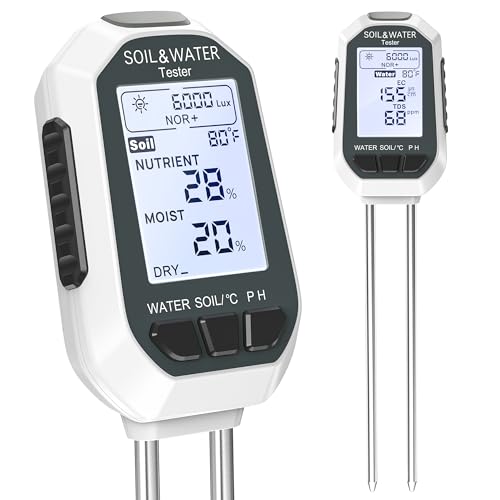
【7-in-1 Features】This is a 7-in-1 multi-function soil tester. Our soil tester quickly measures soil moisture, pH, temperature and light intensity, and its fertility function helps you take better care of your plants. With this device you can measure the soil moisture, pH, temperature and light intensity for your plants and with the EC and TDS functions you will know when it is time to water the soil.

Easy-to-read green, yellow, and red tick marks for easy monitoring
Caring for germinating beet seeds
When Caring for germinating beet seeds, consistency is key.
- Stay committed to regularly watering the seeds.
- Avoid overwatering, which can lead to rot.
- Check soil moisture daily – it should be damp but not waterlogged.
To prevent drying out or overheating:
- Mulch the area around the seeds.
- Provide shade during hot periods.
Remember:
- Thin out overcrowded seedlings.
- Apply a balanced fertilizer after the first true leaves appear.
Germination Tips and Tricks
For a successful outcome:
- Maintain a soil temperature of around 50-85°F.
- Expect germination in 5-14 days.
For best results:
- Label your rows to keep track of different varieties.
- Note the planting date for future reference.
Troubleshooting Common Issues
If germination is poor:
- Check the seed quality and expiration date.
Yellowing leaves?
- Ensure proper drainage to prevent waterlogging.
Just Keep Growing!
With these tips, you’re on your way to enjoying a bountiful beet harvest in no time.
Conclusion
You’re now equipped with the knowledge to successfully germinate beet seeds. Remember to provide consistent watering, monitor soil moisture, and offer shade to your seedlings. Thinning overcrowded plants, applying fertilizer, and maintaining soil temperature are key steps. Expect germination within a specific timeframe and troubleshoot any issues that may arise. By following these guidelines, you’re on your way to a bountiful beet harvest. Happy planting!
Frequently Asked Questions
How often should I water germinating beet seeds?
Water germinating beet seeds consistently to keep the soil moist but not waterlogged. Avoid overwatering as it can lead to damping off.
Should I mulch around germinating beet seeds?
Yes, mulching around germinating beet seeds can help retain soil moisture, prevent weed growth, and regulate soil temperature.
When should I thin overcrowded beet seedlings?
Thin overcrowded beet seedlings when they have grown a few inches tall to ensure proper spacing for healthy growth.
Is it necessary to label rows when planting beet seeds?
Labeling rows when planting beet seeds is beneficial for organization and easy identification of different varieties.
What should I do if I notice poor germination or yellowing leaves?
If you notice poor germination or yellowing leaves, check soil moisture, temperature, light exposure, and nutrient levels to troubleshoot and address the issue.
