

Ever wondered why your cucumber plants aren’t thriving as you hoped? Are they looking a bit droopy or yellow? It might just be a case of too much or too little water. Finding that sweet spot can be a game-changer for your garden.
Imagine the satisfaction of harvesting crisp, juicy cucumbers straight from your backyard. By mastering the art of watering, you’re not just nurturing your plants; you’re setting the stage for a bountiful harvest.
Importance of Proper Watering for Cucumber Plants
Proper watering is essential for the health and growth of your cucumber plants. When watering your cucumbers, consistency is key. Overwatering can lead to root rot, while underwatering can cause stunted growth and bitter fruit.
Here are some key points to keep in mind when watering your cucumber plants:
- Frequency: Cucumber plants generally need about 1-1.5 inches of water per week.
- Soil: Ensure the soil is well-draining to prevent waterlogging.
- Time: Water in the morning to allow leaves to dry before nightfall, reducing the risk of diseases.
- Signs of Watering: Check the soil moisture level by sticking your finger about an inch into the soil. Water when it feels dry.
Remember, a well-watered cucumber plant will reward you with a bountiful harvest of delicious cucumbers.
Factors Influencing Watering Frequency
When determining how often you should water your cucumber plants, several factors come into play. Understanding these factors can help you develop a watering schedule that keeps your plants healthy and thriving.
- Weather Conditions: Hot, dry weather increases the need for watering, while cooler, humid conditions may require less frequent watering.
- Soil Type: Well-draining soil helps prevent waterlogged conditions that can harm the plant roots. Sandy soils dry out faster than clay soils, impacting watering frequency.
- Plant Growth Stage: Young plants need more frequent watering to establish roots, while mature plants may need less water but more deeply.
- Container vs. Garden Bed: Container plants dry out faster than those in the ground, often needing more frequent watering.
- Mulching: Adding a layer of mulch helps retain soil moisture, reducing the frequency of watering needed.
- Rainfall: Adjust your watering schedule based on natural precipitation. During rainy periods, you may need to water less, while dry spells require more frequent watering.
By considering these factors and adjusting your watering routine accordingly, you can ensure that your cucumber plants receive the right amount of water to thrive.
Signs of Overwatering Cucumber Plants
If you’re noticing these signs in your cucumber plants, it might indicate that you’re overwatering them:
- Yellowing leaves and wilting
- Mold growth or fungus
- Root rot
- Stunted growth
- Pest infestations
- Waterlogged soil
Remember, it’s important to pay attention to these indicators to ensure your cucumber plants are healthy and thriving.
Signs of Underwatering Cucumber Plants
If you’re wondering how often you should water your cucumber plants, it’s essential to also be aware of the signs that indicate they are not getting enough water. Underwatering can have detrimental effects on your plants, so keep an eye out for the following indicators:
- Wilting: Leaves that appear droopy and limp are a clear sign that your cucumber plants are thirsty.
- Dry Soil: Stick your finger into the soil about an inch deep. If it feels dry to the touch, your plants might need more water.
- Slow Growth: If your plants are not growing as quickly as they should, insufficient water could be the culprit.
- Yellowing Leaves: Cucumber leaves can turn yellow and crispy when they lack adequate water.
- Leaf Curling: Look for leaves that are curling or cupping inward, another common sign of dehydration.
Keep a close watch on your cucumber plants and adjust your watering schedule as needed to ensure they stay healthy and hydrated.
Best Practices for Watering Cucumber Plants
To maintain healthy cucumber plants, here are some best practices to keep in mind:
- Consistent Schedule: Water your cucumber plants regularly to keep the soil evenly moist.
- Morning Watering: Watering your plants in the morning allows them to absorb moisture efficiently throughout the day.
- Root Zones: Direct your watering efforts to the root zone of the plants to ensure they receive water where it’s needed most.
- Avoid Wet Leaves: Try to avoid wetting the leaves when watering to prevent issues like mold or mildew.
Recommended Products

Trusted Since 2015: Become one of the many plant lovers who rely on the proven accuracy of XLUX. Established in 2015, our soil moisture meter has earned over 60,000+ verified ratings for its consistent performance. While many many newer brands come and go, we provide the long-term reliability and quality that American households have trusted for over a decade.
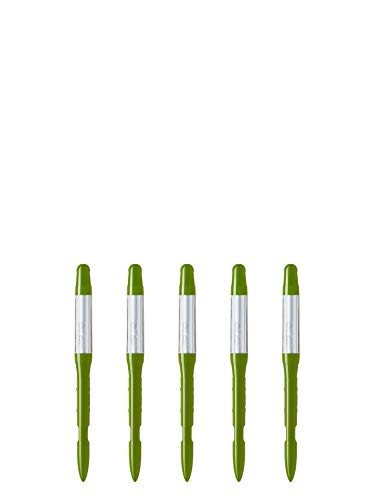
Dimensions: 0.4 x 0.3 x 4.7 inches (small) - Intended for pot sizes of 2, 2.5, and 3 - Ideal for small succulents
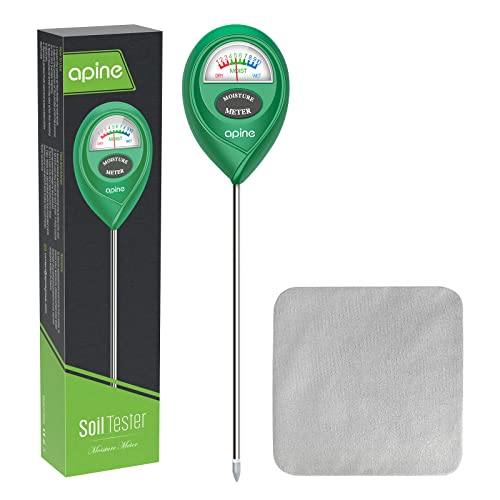
Quick Measurement:Just insert the probe of the plant water meter into the soil about two to four inches,wait a few seconds,you can get the soil moisture immediately.The color division of the dial is simple and clear,and the elderly can easily use it
How Much Water Cucumber Plants Need
Cucumber plants generally require about 1-1.5 inches of water per week. Here’s a general guideline to help you determine the watering needs of your plants:
- Ensure the top inch of soil is moist but not waterlogged.
- Adjust watering frequency based on weather conditions and plant size.
By following these best practices, you’ll help your cucumber plants thrive.
Conclusion
Keep a close eye on your cucumber plants for signs of dehydration to ensure they stay healthy and vibrant. Remember to water them consistently, focusing on the root zone and avoiding overhead watering. Adjust your watering schedule based on the weather and plant size to provide the optimal amount of moisture. By following these simple guidelines, you’ll be well on your way to nurturing thriving cucumber plants in your garden.
Frequently Asked Questions
How can I recognize signs of underwatering in cucumber plants?
Look for wilting, dry soil, slow growth, yellowing leaves, and leaf curling.
How often should I water my cucumber plants?
Water regularly on a consistent schedule, about 1-1.5 inches per week, adjusting based on weather conditions and plant size.
When is the best time to water cucumber plants?
Preferably in the morning to allow efficient moisture absorption throughout the day.
