

Ever wondered when the perfect time is to plant those vibrant red beets in your garden? Picture this: you’re eager to get your hands dirty and sow those seeds, but you’re not quite sure if it’s the right moment. Don’t worry, we’ve got you covered! In this article, we’ll guide you through the optimal timing for planting red beets, ensuring a bountiful harvest that’ll make your taste buds sing with joy.
Imagine the satisfaction of harvesting your very own homegrown red beets, knowing you planted them at just the right time. By learning the ideal planting schedule, you’ll set yourself up for success and a delicious reward down the line. Stay tuned as we share valuable insights and tips to help you achieve a thriving beet crop that’ll have you proudly showcasing your gardening skills to friends and family.
Best Time of Year to Plant Red Beets
- Choose a sunny spot with well-draining soil for planting red beets.
- Check the temperature – red beets prefer cooler weather to thrive.
- Sow seeds directly into the garden once the soil is workable – typically around 55°F (13°C).
- Plan to sow a second batch of red beet seeds.
- This additional planting ensures a continuous supply of fresh red beets.
| Temperature | Planting Time |
|---|---|
| Below 75°F (24°C) | Early Spring |
| Above 75°F (24°C) | Late Summer to Fall |
Soil Preparation Tips for Red Beet Planting
When it comes to planting red beets, proper soil preparation is key to ensuring a successful harvest. Here are some essential tips to get your soil ready for planting:
- Loosen the Soil: Before planting your red beet seeds, make sure to loosen the soil to a depth of at least 6-8 inches. This will help the roots to penetrate easily and allow for proper growth.
- Amend the Soil: Add compost or well-rotted manure to enrich the soil and provide essential nutrients for your red beets. This will help promote healthy growth and improve overall yield.
- Ensure Good Drainage: Red beets prefer well-draining soil to prevent waterlogging, which can lead to root rot. If your soil tends to retain water, consider adding sand or organic matter to improve drainage.
- Adjust Soil pH: Red beets thrive in slightly acidic soil with a pH level between 6.0 and 7.0. You can test your soil using a pH meter and adjust it accordingly using lime to raise pH or sulfur to lower pH.
- Remove Rocks and Debris: Clear the planting area of any rocks, weeds, or debris that could impede root growth or cause misshapen beets. A clean planting bed will help your red beets grow undisturbed.
By following these soil preparation tips, you’ll create an ideal environment for planting your red beets and set the stage for a bountiful harvest. Happy planting!
Recommended Products

Quick, at home results for Soil pH, Nitrogen, Phosphorous and Potash Innovative and inexpensive soil test kit features an easy-to-use capsule system and patented color comparators

Kindly NOTE: This soil tester can not be applied to test pH value of any other liquid. If the soil is too dry the indicator will not move, and water it before testing.

Quick, at home results for Soil pH
Planting Schedule for Red Beets
Now that you’ve prepared your soil, it’s essential to consider the optimal timing for planting your red beets to ensure a successful growing season.
Sowing Red Beet Seeds: Dos and Don’ts
When it comes to sowing red beet seeds, there are essential guidelines to follow to ensure a successful planting process. Here’s what you need to know:
Do:
- Sow seeds directly outdoors 2-4 weeks before the last spring frost.
- Plant seeds in well-draining, loose soil for optimal root development.
- Space seeds 2-4 inches apart and 1/2 inch deep in rows about 12-18 inches apart.
- Keep the soil consistently moist but not waterlogged to aid germination.
- Plant seeds too deep as they may struggle to sprout.
- Overcrowd seeds, as this can lead to competition for nutrients and stunted growth.
- Forget to thin seedlings to 2-3 inches apart once they are a few inches tall for better root growth.
Following these dos and don’ts will set you on the right path for a successful red beet planting season.
Recommended Products

TOP-RATED NUTRITIONAL HEIRLOOM: Detroit Dark Red is a premium, high-yielding, and stress-resistant beet variety that stands at the pinnacle of root vegetables. This all-season favorite is a mid-early universal cultivar, perfect for consistent home harvests of professional quality.
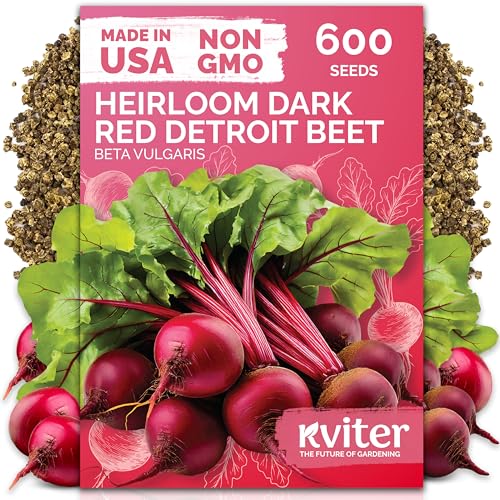
55-60 Day Harvest: Red beet seeds mature fast with tender 2-3 inch roots and sweet classic flavor; sow in loose, well-drained soil at 55-70 °F for best vegetable seeds results.
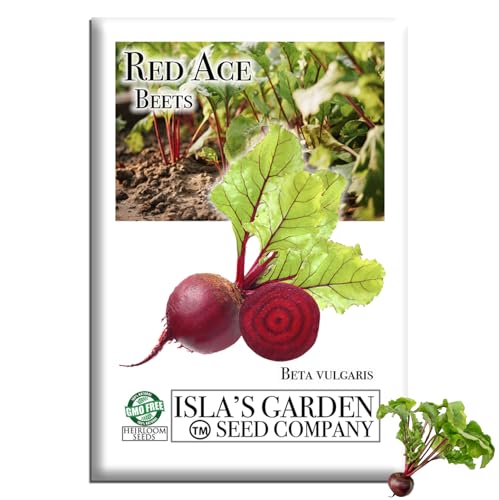
🥬 Productive Garden Beet Variety: Red Ace Beets produce smooth, round roots with a deep red color and dependable growth in home gardens. The sturdy plants develop leafy green tops while forming uniform beet roots beneath the soil. A reliable choice for backyard vegetable gardens and raised beds where gardeners want steady root harvests.
Caring for Growing Red Beet Plants
As your red beets begin to grow, proper care is essential to ensure a bountiful harvest. Here are some tips to help you nurture your red beet plants to their full potential:
- Watering: Keep the soil consistently moist. Avoid overwatering to prevent rot. Aim for about 1-2 inches of water per week.
- Weeding: Regularly remove weeds to prevent competition for nutrients and sunlight.
- Fertilizing: Consider side-dressing with a balanced fertilizer to promote healthy growth.
- Mulching: Mulch around plants to retain soil moisture and suppress weed growth.
- Pest Control: Keep an eye out for pests such as aphids or flea beetles. Use organic pest control methods when needed.
- Harvesting: Harvest your red beets when they reach a desirable size, usually around 1-3 inches in diameter.
- Storage: Cut off the green tops before storing the beets in a cool, moist environment to prolong their freshness.
Recommended Products

Gardening Kit: 55 Most Popular Vegetable Seeds Variety Pack NON GMO Heirloom Seeds LESS THAN $0.70 PER SEED VARIETY PACK 35,600+ seeds including: Artichoke, Arugula, Bean, Beet, Bok Choy, Broccoli, Brussel Sprouts, Cabbage, Carrot, Cauliflower, Celery, Collard, Corn, Cucumber, Curled Cress, Eggplant, Endive, Kale, Kohlrabi, Lettuce, Mache Corn Salad, Okra, Leek, Scallion, Onion Parsnip, Pea, Pepper , Pumpkin, Radish, Rapini, Spinach, Squash, Sunflower, Swiss Chard, Tomatoes, Turnip, Zucchini.
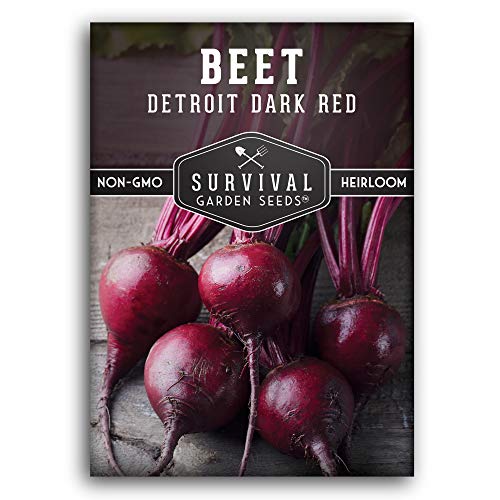
HIGH YIELD ROOT CROP - Detroit Dark Red Beets produce uniform 3-inch roots with deep red flesh; dependable harvests make them a staple for home and market gardens

Complete Garden Selection: Includes 32 premium heirloom seeds for planting vegetables and fruits; Features Contender Beans, Waltham Broccoli, Oregon Sugar Peas, Marglobe Tomatoes, Black Beauty Squash; Perfect veggie seeds for planting home garden
Harvesting and Storing Red Beets
Now it’s time to reap what you’ve sown. Harvesting red beets at the right size is key for optimal taste and texture. They are ready for picking when they reach about 1 to 3 inches in diameter, usually around 50 to 70 days after planting. Here are some steps to follow:
- Gently loosen the soil around the plants
- Grasp the leaves close to the root
- Give a gentle tug to avoid damaging the vegetable
- Remove the greens, leaving an inch of stem to prevent bleeding
Storing Freshness
- Remove the greens to prevent moisture loss
- Store in a cool, dark place
- Use a root cellar or basement for extended storage
| Timing for Harvest | 50-70 days after planting |
|---|---|
| Optimal Size | 1-3 inches in diameter |
| Freshness in Fridge | Up to 3 weeks |
Conclusion
Now that you’ve learned about the harvesting and storing process of red beets, you’re equipped with the knowledge to enjoy fresh and flavorful beets straight from your garden. Remember to pick them at the optimal size of 1 to 3 inches in diameter after the recommended 50 to 70 days of planting. Harvesting your beets with care, removing the greens, and storing them properly will ensure their freshness and taste for weeks to come. By following these simple steps, you can savor the delicious flavor of homegrown red beets in your meals. Happy planting and harvesting!
Frequently Asked Questions
When is the best time to harvest red beets?
The best time to harvest red beets is when they reach around 1 to 3 inches in diameter, which is typically after 50 to 70 days of planting.
How should red beets be harvested?
To harvest red beets, gently loosen the soil around them, pull the beets by the leaves near the root, and leave about an inch of stem to prevent bleeding.
Why is it important to remove the greens from red beets?
Removing the greens from red beets is essential to maintain their freshness for longer periods as the greens can cause the roots to lose moisture and become limp.
Where is the best place to store red beets for extended storage?
For extended storage, the best place to store red beets is in a cool, dark place like a root cellar or basement to maintain their freshness and texture.
How long can red beets be kept fresh in the fridge?
Red beets can be kept fresh in the fridge for up to 3 weeks by placing them in a perforated plastic bag to maintain humidity levels.
