

Ever wondered if your garden veggies could be best buds? Picture this: you’re tending to your garden, eyeing those vibrant beets and crunchy carrots. But are they just neighbors, or could they be the ultimate gardening companions?
Imagine the convenience of planting these two together, saving space and boosting growth. In this article, you’ll uncover the secrets of companion planting with beets and carrots.
Get ready to dive into a world where beets and carrots thrive side by side, creating a harmonious garden duo that not only looks good but also benefits each other.
Understanding Companion Planting
When planting a vegetable garden, you might have heard about companion planting. It’s a gardening practice where specific plants are grown near each other to enhance growth, health, or flavor, and sometimes to deter pests. This age-old technique can help you make the most of your gardening space and create symbiotic relationships between plants.
Benefits of Companion Planting:
- Natural Pest Control: Some plants emit substances that can repel pests or attract beneficial insects, helping to protect neighboring plants.
- Enhanced Growth: Certain plants complement each other by providing necessary nutrients or shading, creating better growing conditions.
- Space Optimization: Pairing plants that grow well together can maximize your garden space and increase overall yield.
How It Works:
- Plant Relationships: Some plant combinations have mutually beneficial relationships, such as one plant providing shade for another or repelling pests.
- Attracting Beneficial Insects: By planting specific flowers or herbs near your vegetables, you can attract insects that feed on harmful pests, improving plant health.
- Improving Soil Quality: Planting a nitrogen-fixing crop next to a plant that requires a lot of nitrogen can help enrich the soil naturally.
- Research Before Planting: Look for suitable companion plants to ensure a successful garden.
- Rotate Crops: Avoid planting the same vegetables in the same spot year after year to reduce soil depletion and pest build-up.
- Consider Plant Needs: Match plants with similar water, light, and nutrient requirements for optimal growth.
Remember, companion planting can be a fun and rewarding way to enhance your gardening experience while promoting a healthy and productive garden.
Benefits of Companion Planting with Beets and Carrots
When you companion plant beets and carrots, you’re not just diversifying your garden; you’re unlocking a range of benefits that can boost the health and yield of your crops.
Here’s why pairing beets and carrots together in your vegetable garden can be a game-changer:
- Pest Control: Planting beets and carrots together can help repel pests that are drawn to one plant but not the other, reducing the risk of infestation.
- Soil Health: Beets and carrots have different root structures that complement each other, with beets breaking up compacted soil while carrots add organic matter, promoting better soil aeration and nutrient absorption.
- Space Optimization: Since beets grow well in the shade while carrots thrive in the sun, planting them together allows you to efficiently utilize different areas of your garden.
With these benefits in mind, consider adding beets and carrots to your companion planting repertoire for a harmonious and bountiful vegetable garden experience.
How Beets and Carrots Support Each Other
When planting beets and carrots together, you’ll notice they complement each other in many ways. Here’s how these two vegetables support each other:
- Maximize Space: Carrots grow deep while beets grow shallower, allowing them to coexist without competing for space.
- Pest Control: Carrots repel carrot flies that can damage beets, while beets deter certain pests that might harm carrots.
- Soil Health: Beets break up compacted soil for carrots to grow more easily, while carrots assist in improving soil structure.
By understanding how beets and carrots benefit from each other’s presence, you can enhance the health and yield of your vegetable garden.
Recommended Products

Sweet, Coreless Roots: Heirloom carrots with tender 9-10 inches orange taproots and high sugar content. Grow in 3-10 USDA zones. Great carrots seeds for planting in any home garden.
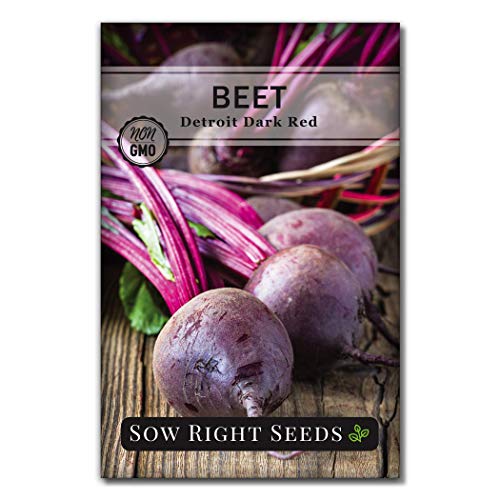
Beautiful - Large premium packet of Detroit Dark Red Beet (Beta var. ‘Detroit Dark Red’) seeds. Vivid, dark red 2-3" round beets have sweet flesh and tasty edible greens. This resilient variety can tolerate temperature variations, offering high productivity even in less-than-ideal soil conditions. Minimum of 1.5 g per packet (about 90 seeds).

Classic sweet beetroot + greens, Detroit Dark Red, a dependable heirloom table beet (Beta vulgaris); deep red, round roots with strong tops; great for roasting, salads, pickling, and storage
Tips for Successful Companion Planting with Beets and Carrots
When companion planting beets and carrots in your vegetable garden, here are some practical tips to ensure a successful harvest:
- Interplant Strategically: Alternate rows or mix them together to deter pests and maximize space.
- Mind Sun and Soil Conditions: Plant both in well-drained soil with at least 6 hours of sunlight daily.
- Space Adequately: Leave about 3-4 inches between beets and carrots to allow room for growth.
- Water Wisely: Keep the soil consistently moist, but avoid overwatering to prevent rot.
- Rotate Crops: Switch planting locations yearly to prevent nutrient depletion and disease buildup.
- Harvest Thoughtfully: Gently pull or use a garden fork to harvest without disturbing nearby plants.
- Observe and Adjust: Regularly inspect for pests, diseases, and overall plant health to make timely adjustments.
Following these guidelines can help you optimize the benefits of companion planting with beets and carrots in your garden.
Conclusion
You now have the tools to successfully companion plant beets and carrots in your garden. By following these practical tips, you can create a harmonious environment where these two vegetables thrive together. Remember to interplant strategically, provide the right conditions for growth, and monitor your garden regularly for any issues. With a little care and attention, you can enjoy the benefits of companion planting while maximizing the space in your vegetable garden. Happy planting!
Frequently Asked Questions
What is companion planting and how does it benefit beets and carrots?
Companion planting involves growing different plants together to benefit each other. Beets and carrots, when planted together, can help repel pests, save space, and improve soil health.
How should I space beets and carrots when companion planting?
Space beets and carrots about 4-6 inches apart to allow room for growth and prevent overcrowding, which can lead to stunted plants.
What are some common pests that affect beets and carrots?
Common pests include carrot rust flies, aphids, and leaf miners for carrots, while beets are often attacked by flea beetles, leaf miners, and aphids.
When is the best time to harvest beets and carrots in a companion planting setup?
Harvest beets and carrots when they reach the desired size, usually around 1-2 inches in diameter for carrots and varying sizes for beets depending on the variety.
How often should I rotate crops when companion planting beets and carrots?
Rotate crops yearly to prevent soil depletion, diseases, and pests buildup, ensuring the health and productivity of future plantings.
What is the importance of monitoring pests and diseases in companion planting?
Regularly monitor for pests and diseases to catch issues early, prevent widespread infestations, and take appropriate action to protect your plants.
