

Ever wondered if you could turn your kitchen scraps into a flourishing vegetable garden? What if I told you that you could grow your own cucumbers from, well, a cucumber? Picture this: you’re slicing up a fresh cucumber for your salad, and instead of tossing those seeds away, you decide to embark on a journey of growing your own cucumbers. Exciting, right?
Selecting the Right Cucumber
- Variety: Select a cucumber variety that thrives in your climate for better success in your garden.
- Ripeness: Pick a fully ripe cucumber, as the seeds inside are more likely to be mature and viable.
- Size: Choose a medium to large-sized cucumber to ensure the seeds have had enough time to develop fully.
- Condition: Make sure the cucumber is firm, with no soft spots or signs of rotting to guarantee healthy seeds.
Recommended Products
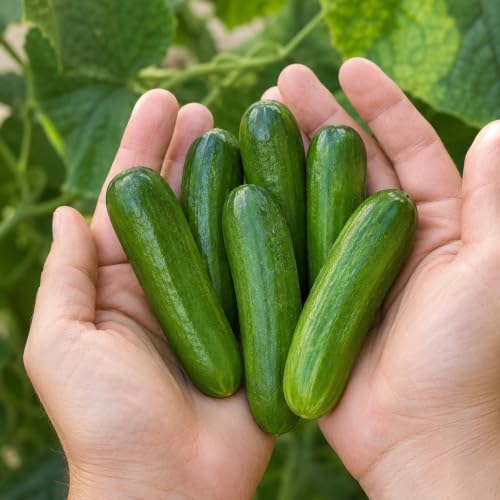
COMPACT & SPACE-SAVING VARIETY: Mini-Me cucumbers are bred for smaller gardens, containers, and raised beds without sacrificing productivity. Enjoy fresh vegetables even if you have limited outdoor space.

COMPACT SPACE-SAVING PLANTS – Dwarf bush cucumbers grow just 2–3 feet long, perfect for container gardening and small outdoor spaces

Yields and average of 13 “Tokiwa” cucumber plants per packet or roughly 170 lbs of Japanese Cucumber after a 120 day growing season, if watered and fed well.
Harvesting and Preparing Seeds
When it comes to harvesting cucumber seeds, it’s essential to select a mature cucumber for optimal results. Here are a few steps to guide you through the process:
- Step 1: Start by choosing a ripe cucumber from your garden or local market. Make sure it’s fully matured and not under-ripe.
- Step 2: Next, cut the cucumber open and scoop out the seeds using a spoon.
- Step 3: Place the seeds in a bowl and rinse them to remove any remaining flesh or debris.
- Step 4: Spread the seeds out on a paper towel and let them air dry for a few days. Ensure they are completely dry before storing.
By following these simple steps, you can harvest and prepare cucumber seeds for future planting.
Germinating Seeds
Growing cucumber from cucumber seeds is an exciting journey that begins with germinating the seeds.
Here’s how you can do it:
- Prepare a container: Fill a small pot with moist soil.
- Plant the seeds: Make a small hole in the soil and plant 1-2 seeds about an inch deep.
- Provide warmth and moisture: Place the pot in a warm area with indirect sunlight and keep the soil moist.
- Be patient: Germination usually takes about 7-10 days.
- Transplanting: Once the seedlings have grown a few leaves, you can transplant them into a larger container or your garden.
Remember, each seed’s success rate may vary, so planting a few extra seeds can increase your chances of growing healthy cucumber plants.
Recommended Products
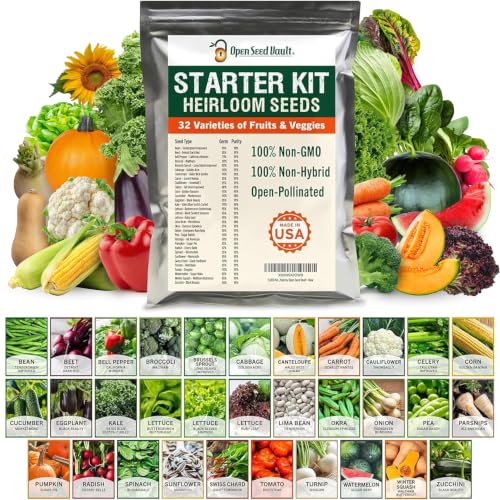
COMPLETE VEGETABLE GARDEN VARIETY PACK – Grow a thriving home garden with 32 popular vegetable seeds including Bean, Beet, Bell Pepper, Broccoli, Brussels Sprout, Cabbage, Cantaloupe, Carrot, Cauliflower, Celery, Corn, Cucumber, Eggplant, Kale, Lettuce (3 types), Lima Bean, Okra, Onion, Pea, Parsnip, Pumpkin, Radish, Spinach, Sunflower, Swiss Chard, Tomato, Turnip, Watermelon, Zucchini. A diverse mix perfect for fresh meals, backyard gardens, and sustainable growing.

Graphene Seed Heat Mat for Faster Germination: Compared to traditional electric heating mats, our graphene heat mat heats up faster and more evenly, with a built-in timer for convenience. It creates the ideal environment for indoor seed starting trays, greenhouse seed germination, and hydroponic plant propagation. Designed for indoor gardening, this waterproof and reusable heat mat accelerates growth and improves seedling survival rates.

EASIER SEED STARTING: Our Burpee SuperSeed tray with 8 extra-large flexible pop-out cells is designed to simplify indoor seed starting. Just add seed starting mix, seeds, water and light to get growing! Perfectly sized for starting seeds in the windowsill: 11.5" x 5-3/16" x 2-1/4". Rows are labeled alphanumerically for seedling identification with included Plant-o-Gram diagram.
Transplanting Seedlings
After your cucumber seedlings have grown to about 3-4 inches tall, it’s time to transplant them into a larger container or your garden. Here’s how you can do it:
- Prepare the New Container: Get a larger pot or find a spot in your garden with well-draining soil and access to plenty of sunlight.
- Handle with Care: Gently loosen the soil around the seedlings to avoid damaging the roots when you remove them.
- Dig a Hole: Create a hole in the new container or soil that is deep and wide enough to accommodate the roots of the seedling.
- Transplant: Carefully place the seedling in the hole and cover the roots with soil. Press gently around the base of the seedling to secure it in place.
- Water Thoroughly: Give the newly transplanted seedlings a good drink of water to help them settle into their new home.
- Provide Support: If your seedlings are tall and leggy, you may need to provide some support to keep them upright.
Transplant shock is common when moving seedlings, but with proper care and attention, your cucumber plants should adjust and continue to grow. Keep an eye on them as they adapt to their new environment.
Caring for Cucumber Plants
When Caring for Cucumber Plants, it’s essential to provide them with the proper environment and attention to ensure healthy growth. Here are some key tips to help your cucumber plants thrive:
- Watering: Ensure your cucumber plants receive consistent moisture. Water them regularly, keeping the soil moist but not waterlogged.
- Sunlight: Cucumber plants love sunlight. Place them in a spot where they can get at least 6-8 hours of direct sunlight daily.
- Fertilizing: Feed your cucumber plants with a balanced fertilizer every 3-4 weeks to support their growth.
- Pruning: Remove any yellow or diseased leaves to promote airflow and prevent the spread of diseases.
- Support: Consider using a trellis or stake to support the cucumber vines as they grow to help prevent breakage.
- Pests: Keep an eye out for common pests like aphids and cucumber beetles. Use natural remedies or insecticidal soap to control infestations.
- Harvesting: Harvest your cucumbers when they reach the desired size. Regular harvesting encourages the plant to produce more fruit.
- Disease Prevention: To prevent diseases like powdery mildew, avoid overhead watering and provide adequate air circulation around the plants.
- Mulching: Mulch around the base of the plants to preserve moisture and suppress weeds.
By following these tips, you can provide optimal care for your cucumber plants and enjoy a bountiful harvest of fresh, home-grown cucumbers.
Recommended Products

【Package included】:Crafted from robust hollow steel, this garden stakes features a fade-resistant green plastic coating, offering reliable protection against wind, rain, and rust. This Trellis for Climbing Plants Outdoor comes complete with everything you need to get started: 17pcs metal stakes, 8pcs T shape connect pipe, 2 A-shaped connectors, and a 0.9x1.8meter bird net.
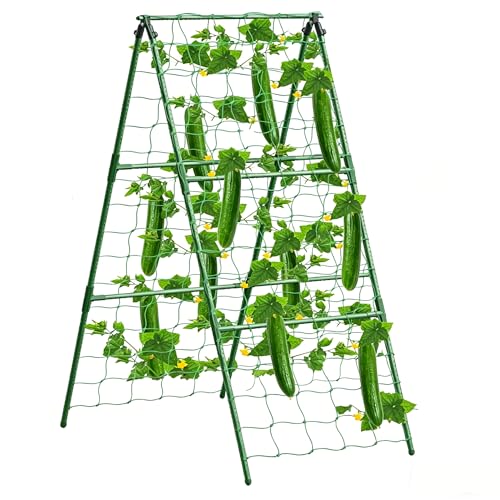
【Package included】:This Trellis for Climbing Plants Outdoor comes complete with everything you need to get started: 17pcs metal stakes, 8pcs T shape connect pipe, 2 A-shaped connectors, and a 0.9x1.8meter plant net.

【Multi-Function】 Tall Tomato Cage-Each tomato cage can be adjusted from 16inches to 47 inches in height,suit for different growth stages of plants, offering versatile supports for a wide variety of tomato plants, ensuring they grow tall and strong.
Conclusion
You’ve now learned essential tips for nurturing your cucumber plants to thrive. By mastering watering, sunlight exposure, fertilizing, pruning, support, pest control, harvesting, disease prevention, and mulching, you’re on your way to a bountiful cucumber harvest. Keep up the excellent care, and soon you’ll be enjoying the fruits of your labor with crisp, homegrown cucumbers. Happy gardening!
Frequently Asked Questions
How often should I water my cucumber plants?
Water your cucumber plants deeply once a week, ensuring the soil remains consistently moist but not waterlogged.
How much sunlight do cucumber plants need?
Cucumber plants require at least 6-8 hours of full sunlight daily for optimal growth and fruit production.
When should I fertilize my cucumber plants?
Fertilize your cucumber plants with a balanced fertilizer once a month, starting when they begin to flower.
Do I need to prune my cucumber plants?
Prune any yellow, diseased, or damaged leaves to promote air circulation and prevent disease spread.
Should I provide support for my cucumber plants?
Yes, use trellises, stakes, or cages to support cucumber vines and keep the fruit off the ground.
How can I manage pests on my cucumber plants?
Regularly inspect leaves for pests like aphids or cucumber beetles and use organic insecticidal soap if needed.
When is the best time to harvest cucumbers?
Harvest cucumbers when they reach the desired size, usually 6-8 inches long, to encourage continuous fruit production.
How can I prevent diseases in my cucumber plants?
Prevent diseases like powdery mildew by planting disease-resistant cucumber varieties and ensuring good air circulation.
Is mulching beneficial for cucumber plants?
Yes, apply mulch around cucumber plants to retain soil moisture, suppress weeds, and maintain consistent soil temperature.
