

Ever wondered how you could enjoy fresh, homegrown carrots for longer? Picture this: you’ve nurtured your carrot patch, but the season is slipping away. What if there were strategies to stretch that growing season and savor your harvest even more? In this article, you’ll uncover practical tips to keep those crisp, vibrant carrots coming your way.
Understanding Carrot Growing Seasons
To extend the growing season of your homegrown carrots and enjoy fresh produce for a longer period, it’s essential to understand carrot growing seasons. Here’s how you can make the most of each phase:
- Spring Planting: Start planting your carrot seeds in the early spring, after the last frost date in your area. Carrots thrive in cool temperatures and will benefit from the mild spring weather.
- Summer Care: Throughout the summer, ensure your carrot plants receive adequate water, around an inch per week, to prevent the roots from becoming tough and fibrous. Mulching can help retain soil moisture.
- Fall Harvest: As temperatures start to drop in the fall, continue watering your carrots regularly to keep the soil evenly moist. Consider using row covers or cold frames to protect the plants from frost and extend the harvest season.
| Spring Planting | Summer Care | Fall Harvest |
|---|---|---|
| Plant after last frost | Water regularly | Protect from frost |
| Thrives in cool temps | Mulch to retain moisture | Maintain soil moisture |
By understanding and following these seasonal guidelines, you can successfully extend the growing season of your carrots and enjoy a bountiful harvest for an extended period.
Selecting the Right Carrot Varieties
When choosing carrot varieties, opt for those that suit your growing conditions and desired harvest time. Different varieties have varying maturity dates, which can help you stagger your harvest and extend the growing season. For instance, early maturing varieties such as ‘Nantes’ are ready in about 60 days, while ‘Imperator’ types take longer, up to 75 days. By selecting a mix of early and late varieties, you can enjoy a continuous supply of carrots throughout the season.
Consider the size and shape of the carrots you prefer. ‘Danvers’ carrots are known for their blocky shape and sweet flavor, ideal for cooking, while ‘Babylon’ carrots are slender and perfect for snacking. Pick varieties that align with your culinary needs and taste preferences.
Adapt your variety selection based on the planting season. Choose heat-tolerant varieties for summer planting to combat high temperatures. When planning a fall harvest, select cold-hardy varieties to withstand frost and chilly weather. Matching the right carrot variety to the season can help you maximize your harvest and extend the growing season.
Remember, the key to prolonging your carrot growing season lies in thoughtful variety selection. By choosing strategically and diversifying your picks, you can ensure a bountiful harvest from early spring to late fall.
Recommended Products

Sweet Scarlet Nantes Roots - Grow orange, nearly coreless carrots with a tender bite and classic cylindrical shape. Harvest roots around 6-7 inches for fresh garden snacks, salads, roasting, soups and juicing.

Trusted Quality - We provide premium Scarlet Nantes carrot seeds - an open-pollinated heirloom variety with high germination rates. Each seed is rigorously tested to ensure reliable sprouting, allowing you to cultivate a healthy, rewarding carrot harvest season after season.
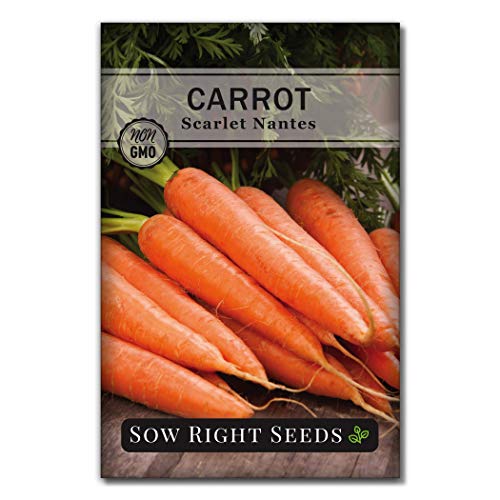
Beautiful - Full color packet of Scarlet Nantes Carrot (Daucus var. 'Scarlet Nantes') Seed. Bright red-orange, fine-grained brittle flesh that is nearly coreless with a fine very sweet flavor. Colors up early for little mini baby carrots. Minimum of 800 mg per packet (about 450 seeds).
Extending the Carrot Growing Season with Season Extension Tools
When aiming to prolong your carrot growing season, season extension tools can be your best allies. These tools help you overcome environmental challenges and continue cultivating fresh carrots beyond the usual growing period. Here are some effective strategies to extend your carrot harvest throughout the year:
Cold Frames and Row Covers
- Cold frames: Enclosed structures that provide a warmer microclimate for plants, allowing you to sow carrots earlier in the spring or later in the fall.
- Row covers: Lightweight fabric covers that shield crops from frost and help retain warmth, enabling you to stretch the growing season and protect young carrot plants.
Mulching
- Applying a layer of mulch, such as straw or shredded leaves, around carrot plants can regulate soil temperature, reduce moisture loss, and prevent frost damage. It’s a simple yet effective way to extend the harvest window.
- Greenhouses: Controlled environments that offer ideal growing conditions for carrots regardless of the external weather. You can plant carrots in a greenhouse to ensure a continuous supply throughout the year.
- High tunnels: Unheated greenhouse-like structures that provide protection from the elements and create a favorable environment for carrot cultivation, especially in colder seasons.
Recommended Products

Product Features: Our plant covers are ideal for protecting all plant. Made from premium 1 oz/sq non-woven fabric, their durability and breathability ensuring both insulation against frost and facilitation of sunlight penetration for healthy plant growth

THICKER MATERIAL: Our plant freeze protection cover is made of UV stabilized polypropylene. Upgraded thicker 0.9oz./sq.yard lightweight but durable. Soft plant covers are friendly and no harm to your plants. Breathable non-woven fabric allow light, air go through the frost cloths and reach the plants.

※Big Size to cover large area : The size of our plant cover is 10x30ft, the size can cover large areas. You can cut the plant covers freeze protection into different sizes for different use. You can cover it over the plant such as shrub tomato, pepper, pumpkin, and so on.
Maximizing Harvest Through Succession Planting
To maximize your carrot harvest throughout the growing season, consider implementing succession planting. This strategy involves planting carrots at staggered intervals to ensure a continuous supply rather than a single large harvest. Here are some benefits and tips for successful succession planting:
- Continuous Supply: By planting carrots at intervals, you can enjoy a steady harvest over an extended period rather than a large yield all at once.
- Extended Growing Season: Succession planting allows you to extend the carrot growing season by starting new crops as soon as the previous ones are harvested.
- Optimal Harvest: Harvesting young, tender carrots from successive plantings ensures that you enjoy the best quality produce throughout the season.
Tips for Succession Planting:
- Plan Ahead: Create a planting schedule based on the maturity dates of different carrot varieties to ensure a continuous harvest.
- Mark Planting Areas: Use markers or labels to indicate where each planting was made to track growth and maturity stages accurately.
- Sow Seeds Regularly: Plant new carrot seeds every few weeks to maintain a consistent supply of fresh produce.
- Monitor Growth: Keep a close eye on each planting to determine when they are ready for harvest, ensuring you don’t miss the ideal picking time.
Implementing succession planting in your carrot garden can help you make the most of the growing season and enjoy a continuous harvest of crisp, flavorful carrots.
Conclusion
By incorporating succession planting into your carrot growing routine, you’ll enjoy a continuous stream of fresh, flavorful carrots for an extended period. This strategy not only boosts your harvest but also ensures a steady supply of high-quality produce. Remember to plan ahead, sow seeds regularly, and keep a close eye on growth stages to make the most of your growing season. With these simple yet effective techniques, you can savor the rewards of your efforts throughout the year. Happy growing!
Frequently Asked Questions
What is succession planting?
Succession planting involves planting crops at staggered intervals to ensure a continuous supply of produce, such as carrots, throughout the growing season.
What are the benefits of succession planting for carrot harvest?
Succession planting offers a steady harvest, extends the growing season, and results in high-quality produce.
What are some tips for successful succession planting of carrots?
Plan ahead, mark planting areas, sow seeds regularly, and monitor growth stages closely to ensure a successful succession planting strategy.
How does succession planting help in maximizing carrot harvest?
Implementing succession planting ensures a prolonged harvest period and provides a consistent supply of fresh, flavorful carrots all season long.
