

Understanding Nutrient Uptake in Carrots
When it comes to nutrient uptake in carrots, understanding the process is crucial for maximizing their nutritional value. Carrots absorb essential nutrients primarily through their roots from the soil. Key factors that influence this uptake include:
- Soil Quality: The health of the soil greatly impacts the availability of nutrients for carrots. Well-balanced soil rich in organic matter promotes better uptake.
- pH Levels: Carrots prefer slightly acidic soil with a pH range between 6.0 and 6.8. Maintaining the right pH level is vital for efficient nutrient absorption.
- Watering Practices: Proper irrigation is necessary to ensure a steady supply of water to the roots without waterlogging. Consistent moisture levels aid in nutrient uptake.
- Companion Planting: Some plants, like onions and leeks, can enhance carrot growth by repelling pests that may hinder nutrient absorption.
By addressing these factors effectively, you can enhance the nutrient uptake in your carrot plants and promote their overall health and vitality.
Choosing the Right Soil for Carrots
When it comes to choosing the right soil for your carrots, quality is key. Here’s what you need to consider:
- Well-Drained Soil: Ensure the soil has good drainage to prevent waterlogging, as carrots prefer moist but not soggy conditions.
- Loose Texture: Opt for soil that is loose and friable to allow the roots to grow freely and absorb nutrients easily.
- pH Levels: Carrots thrive in slightly acidic to neutral soil with a pH range of 6.0 to 7.0. Consider testing your soil and amending it if needed.
- Nutrient-Rich: Choose soil that is rich in organic matter to provide essential nutrients for healthy carrot growth.
- Avoid Compaction: Compact soil can hinder root development. Regularly aerate the soil to prevent compaction and promote nutrient uptake.
By selecting the right soil for your carrots, you are setting the foundation for optimal nutrient uptake and ultimately, vigorous plant growth.
Proper Watering Techniques
When it comes to maximizing nutrient uptake in carrots, Proper Watering Techniques play a crucial role. Here’s how you can ensure your carrots get the water they need to thrive:
- Consistent Moisture: Carrots prefer consistent moisture in the soil. Water deeply but infrequently to encourage deep root growth. Shallow, frequent watering can lead to shallow root systems.
- Avoid Overwatering: Too much water can cause root rot and leach essential nutrients from the soil. Check the soil moisture by feeling the top few inches before watering.
- Morning Watering: Water your carrots in the morning to allow foliage to dry during the day, reducing the risk of fungal diseases.
- Mulch: Applying a layer of mulch around your carrot plants can help retain soil moisture and reduce water evaporation.
- Watering Depth: Aim to water at least 6-8 inches deep to promote healthy root development.
- Adjust for Weather Conditions: Be mindful of rainfall. You may need to adjust your watering schedule based on weather conditions to maintain optimal moisture levels.
By following these watering tips, you can ensure that your carrots have the right amount of moisture to maximize their nutrient uptake potential.
Recommended Products

【Upgraded Tube Design & Water Saving】 Our adjustable garden watering system is upgraded to 1/2” diameter to support high water pressure. The 1/2” tee connector in the package so you can easily set up 2 drip irrigation systems as needed. Garden watering systems minimize stage water loss by recharging water directly to plant roots. While traditional irrigation often results in wasted water, this drip irrigation system saves up to 70% of water, no need for manual watering, saves water.
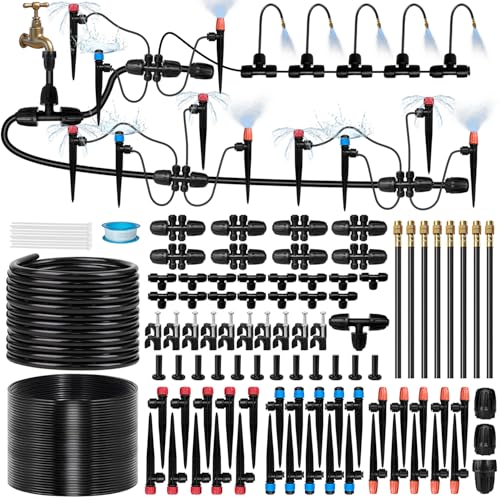
【Upgraded Tube Design & Water Saving】 Our garden watering system is upgraded to 1/2” diameter to support high water pressure. The 1/2” tee connector allows seamless splitting into 2 independent zones for customized watering schedules. By delivering moisture directly to root zones, this drip Irrigation system significantly reduces evaporation and runoff—saving more water compared to conventional sprinklers while eliminating the need for manual watering.

Automatic Drip Irrigation System Kit: The universal connector adapts to different tubing sizes with a secure, leak-free fit; the dual-channel connector splits a single line into two separate watering paths for multi-zone irrigation. The garden bed watering system includes 100FT 1/4" Water Pipe, Cable Ties x 24, Universal Connector x 1, Dual Channel Connector x 1, Quick Tees x 24, Sealing Tape x 1, Fixing Clips x 24, End Plus x 4, and Brass Nozzles x 24. Simply unbox and start building automatic misting system.
Importance of Fertilization
In addition to proper watering, fertilization plays a vital role in maximizing nutrient uptake in carrots.
- Fertilizers provide essential nutrients like nitrogen, phosphorus, and potassium that improve carrot growth and health.
- Nitrogen aids in leaf and stem development, phosphorus supports root growth, and potassium enhances overall plant vigor.
- Organic fertilizers, such as compost or manure, are beneficial for long-term soil health and carrot nutrition.
- Synthetic fertilizers are quicker acting but should be used cautiously to avoid over-fertilization.
By understanding and implementing fertilization practices effectively, you can significantly enhance the nutrient profile and yield of your carrots.
Harvesting and Storing Carrots for Maximum Nutrient Retention
When harvesting carrots, gently loosen the soil around them and pull straight up with a slight twist at the end. Avoid damaging the carrots to prevent any loss of nutrients. Here are some tips for storing them:
- Trim the green tops to 1-2 inches to prevent moisture loss.
- Store carrots in the crisper drawer of your fridge wrapped in a paper towel to maintain crispness.
- Keep them away from fruits like apples and pears, which release ethylene gas that can make carrots bitter.
- Check regularly for any soft or moldy carrots and remove them promptly to prevent spoiling the others.
By harvesting and storing your carrots correctly, you can preserve their nutrient content and enjoy their freshness for longer.
Recommended Products

Crisper Basket is designed for smaller items that often get lost in crispers like lemons, limes and jalapenos

EXACT FIT REPLACEMENT – Replaces 240337103, 240337102, 240337105, 240337107, 240337108, 240337109, 240337100 and 240323007. Replacement for AP2115849, PS429854, EA429854 and AH429854.

Fridge-friendly storage keeps produce fresh longer
Conclusion
You’ve now learned essential tips for maximizing nutrient uptake in carrots, from selecting the right varieties and soil conditions to proper planting and watering techniques. Harvesting and storing carrots correctly are crucial steps in preserving their nutrient content. Remember to handle them gently during harvesting to prevent nutrient loss and follow storage tips like trimming the green tops and refrigerating them in a crisper drawer. By implementing these strategies, you can enjoy fresh and nutrient-rich carrots for longer periods. Keep experimenting and refining your carrot-growing practices to ensure optimal nutrient uptake and overall plant health.
Frequently Asked Questions
Q: How can I retain the nutrient content of harvested carrots?
A: Gently loosen the soil when harvesting to prevent nutrient loss. Store in a crisper drawer, trimmed with green tops removed, and wrapped in a paper towel. Avoid storing near ethylene-releasing fruits for prolonged freshness.
Q: What are the storage tips for carrots?
A: Trim the green tops, refrigerate in a crisper drawer wrapped in a paper towel. Avoid storing near ethylene-releasing fruits for extended freshness.
Q: How do I store carrots to maintain freshness?
A: The article advises trimming the green tops, refrigerating carrots in a crisper drawer, and avoiding storing them near fruits that release ethylene gas.
