

Ever wondered how to make your pole green beans flourish and thrive? Picture this: your pole green beans growing tall and strong, bearing an abundance of crisp, flavorful beans. In this article, you’ll discover the secrets to effectively staking your pole green beans for optimal growth and yield.
Have you struggled with unruly, sprawling bean plants in the past? Imagine the frustration of tangled vines and precious beans lying on the ground. By learning the best methods to stake your pole green beans, you can say goodbye to messy, disorganized plants and hello to a bountiful harvest that’s easy to manage.
Get ready to elevate your gardening game and reap the rewards of a well-staked pole green bean garden. With our expert tips and techniques, you’ll soon be enjoying a flourishing bean patch that’s as beautiful as it is productive.
Choosing the Right Type of Support Structures
When deciding how to stake your pole green beans, consider the support structures that best suit your garden layout and available materials. Here are some popular options to choose from:
- Trellises: Ideal for vertical gardens, trellises provide sturdy support for your green beans to climb and thrive.
- A-Frames: Offering a picturesque touch to your garden, A-frames give beans room to grow upwards on both sides.
- Cattle Panels: A durable choice that allows beans to weave through the panels as they grow, maximizing space utilization.
Recommended Products

Heavy Duty Metal Trellis, Stability for All Climbing Plants: Crafted with 0.6mm thick stainless steel and a 0.63-inch reinforced center pole, this garden trellis for climbing plants outdoor is built to last. It stands firm through wind and rain, providing season-long support for pole beans, snap peas, tomatoes, cucumbers, and flowering vines like bougainvillea and morning glory.

【Package included】:Crafted from robust hollow steel, this garden stakes features a fade-resistant green plastic coating, offering reliable protection against wind, rain, and rust. This Trellis for Climbing Plants Outdoor comes complete with everything you need to get started: 17pcs metal stakes, 8pcs T shape connect pipe, 2 A-shaped connectors, and a 0.9x1.8meter bird net.

Garden Trellis Size for Raised Beds: This 48" L x 48" H cucumber trellis for raised bed adjusts from 16" to 26" wide, fitting many 4 ft raised garden beds. Use it as a trellis for raised garden bed layouts to save ground space while guiding vines upward.
Selecting the Ideal Location for Staking Pole Green Beans
When selecting the perfect spot for staking your pole green beans, consider the following:
- Sunlight: Choose an area that receives at least 6-8 hours of sunlight daily.
- Soil Quality: Opt for well-draining soil rich in organic matter for optimal growth.
- Accessibility: Ensure easy access for tending to your bean plants and harvesting the produce.
For successful staking, prioritize a location that meets these essential criteria.
Preparing the Soil for Staking
Pole green beans thrive in well-draining soil with a pH level between 6.0 and 7.0. Here’s how to prep your soil for successful staking:
- Loosen the soil with a garden fork to a depth of at least 6-8 inches.
- Incorporate organic matter, like compost or aged manure, to improve soil fertility.
- Remove weeds and debris to prevent competition for nutrients.
Remember, healthy soil sets the foundation for robust plant growth and a plentiful harvest.
Different Staking Methods for Pole Green Beans
When staking your pole green beans, there are various methods you can choose from to support their growth effectively. Here are some common techniques you can consider:
- Traditional Trellis: Erect a trellis made of stakes and twine for your pole green beans to climb and thrive.
- A-Frame Trellis: Create a sturdy A-shaped structure using wood or metal, allowing your green beans to climb on both sides.
- Cattle Panel: Repurpose a cattle panel into an archway trellis for your pole green beans to grow vertically.
- Teepee Trellis: Set up multiple stakes in a teepee formation, providing a natural support system for your green beans to reach new heights.
- String Trellis: Hang strings between stakes or a frame to guide the pole green beans as they grow upwards.
Experiment with these different staking methods to find the one that works best for your garden layout and preferences. Each method offers its unique benefits and can contribute to the healthy development of your pole green beans.
Recommended Products

【Package included】: This Trellis for Climbing Plants Outdoor comes complete with everything you need to get started: 17pcs metal stakes, 8pcs stainless wire connect pipe, 2 A-shaped connectors, and a 0.9x1.8meter Bird net.
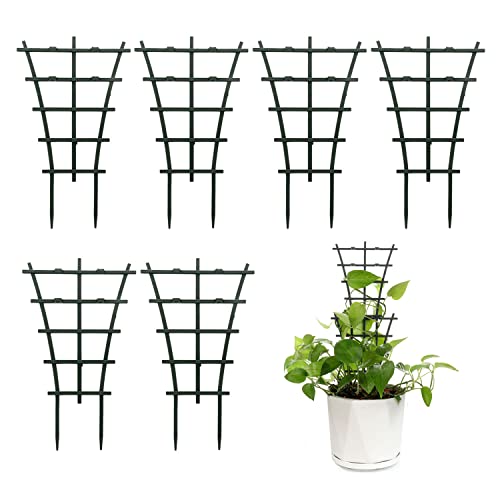
【Upgarded New Version】Our plant trellis is upgraded with high quality new material, increase the weight by 31%, reinforced to be more sturdier, providing stronger support for your potted plants

🌑【Plant Support】Our bamboo lattice frame provides strong support for upward growth of plants. With a ladder-like structure, it is stable and sturdy, assisting plants in climbing upward.
Maintaining and Caring for Staked Pole Green Beans
When maintaining staked pole green beans, regular monitoring is key. Check the beans for proper attachment to the stake or trellis. Adjust as needed to prevent tangling or breakage.
Water your beans consistently, ensuring even moisture to support healthy growth. Mulch around the base of the plants to retain moisture and suppress weeds.
Inspect the plants for signs of pests or disease regularly. Act promptly to prevent any issues from spreading. Opt for organic pest control methods to protect your plants naturally.
Prune your pole green beans as needed to promote air circulation and prevent overcrowding. Regular harvesting encourages continuous production, so pick the beans when they’re ready.
| Fact | Data |
|---|---|
| Growth Habit | Vining |
| Space Requirement | Vertical support |
| Yield Potential | High |
| Maintenance | Regular monitoring and care |
Recommended Products
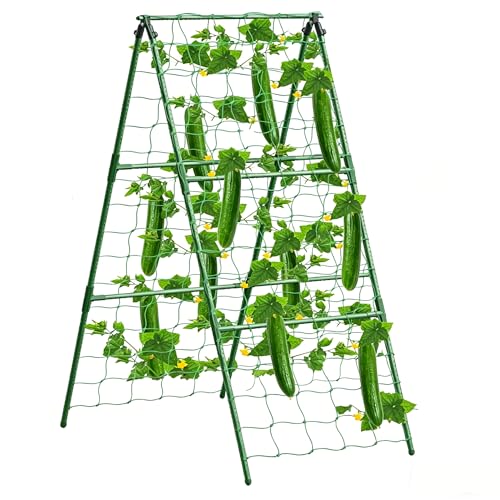
【Package included】:This Trellis for Climbing Plants Outdoor comes complete with everything you need to get started: 17pcs metal stakes, 8pcs T shape connect pipe, 2 A-shaped connectors, and a 0.9x1.8meter plant net.
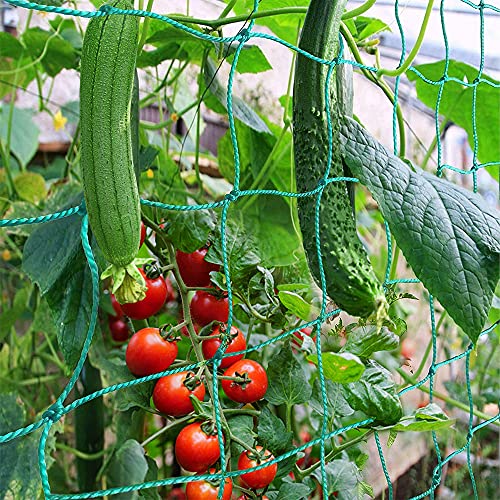
【Garden Trellis Netting】Garden mesh trellis netting is perfectly used in garden, yard and farms, keeps your plants off the ground, reducing rot and disease. Suitable for both vertical and horizontal garden application.
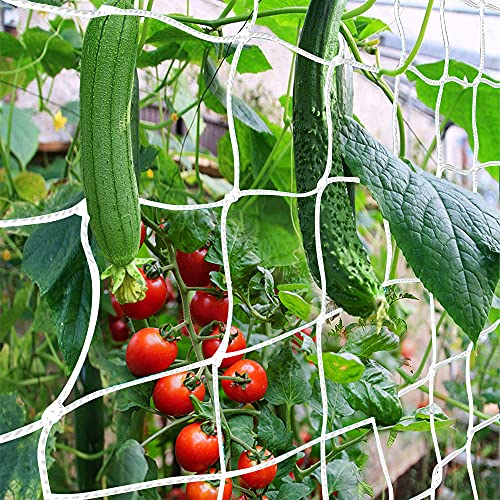
★【Reusable, High-quality, Versatile Trellis Netting】Soft, yet heavy-duty, this plant trellis netting helps plants cling to a smooth surface and will last a couple of years.
Conclusion
Now that you’ve discovered the best ways to stake your pole green beans, you’re well-equipped to support their growth effectively. Remember, maintaining and caring for your beans is key to ensuring a bountiful harvest. By following the tips outlined in this article, including regular monitoring, proper watering, mulching, pest control, and pruning, you can nurture your green beans to thrive. With their vining growth habit and high yield potential, your pole green beans have the potential to flourish with the right care. Keep in mind the space requirements for vertical support and the importance of consistent monitoring and care for their overall health. Happy gardening!
Frequently Asked Questions
What are the different staking methods for pole green beans?
There are three common staking methods for pole green beans: stakes, trellises, and cages. Stakes are tall poles inserted into the ground next to the plants for support. Trellises are structures with horizontal supports where beans can climb. Cages are typically made of wire or wood and placed around individual plants to give them support.
Why is it important to care for pole green beans regularly?
Regular care for pole green beans is essential for healthy growth and a bountiful harvest. Proper watering, mulching, pest control, and pruning help prevent diseases, promote strong vine growth, and ensure the plants produce quality beans. Neglecting care can result in stunted growth, lower yield, and susceptibility to pest infestations.
What are some key facts about pole green beans?
Pole green beans have a vining growth habit, meaning they need vertical support to climb. They offer high yield potential and require adequate spacing for vertical growth. Regular monitoring and care, such as watering, mulching, and pruning, are crucial for maintaining healthy plants and maximizing yield.
