

Ever wondered what it takes to grow your own crunchy, vibrant carrots at home? Picture this: you’re in your kitchen, reaching for a carrot to add a pop of color to your salad, only to find a limp, lackluster vegetable. Wouldn’t it be amazing to step into your backyard and pluck fresh, juicy carrots straight from the ground whenever you please? In this article, you’ll discover the secrets to cultivating your very own carrot patch, right in your backyard.
Selecting the Right Carrot Varieties
When choosing carrot varieties for your home garden, consider factors like soil type, climate, and preferred taste. Some popular options to check out include:
- Nantes: Smooth and cylindrical carrots with a sweet flavor.
- Danvers: Ideal for heavy or clay soils with wide shoulders and durable roots.
- Imperator: Long and slender carrots known for their sweetness.
Carrots come in various colors too, like orange, purple, and yellow. Select a variety that suits your gardening preferences and culinary needs.
Recommended Products

Sweet Scarlet Nantes Roots - Grow orange, nearly coreless carrots with a tender bite and classic cylindrical shape. Harvest roots around 6-7 inches for fresh garden snacks, salads, roasting, soups and juicing.

Trusted Quality - We provide premium Scarlet Nantes carrot seeds - an open-pollinated heirloom variety with high germination rates. Each seed is rigorously tested to ensure reliable sprouting, allowing you to cultivate a healthy, rewarding carrot harvest season after season.

Carrot seeds garden seeds vegetable seeds bulk
Preparing the Soil for Planting
When preparing the soil for planting carrots, there are a few key steps to follow:
- Start by choosing a well-draining spot in your garden. Carrots thrive in loose, sandy soil that isn’t compacted.
- Remove any rocks, weeds, or debris from the soil to ensure a smooth planting surface.
- Add compost or organic matter to improve soil fertility. Carrots need fertile soil to grow well.
Soil pH and Testing
Carrots prefer a soil pH between 6.0 and 6.8. Use a soil test kit to determine the pH of your soil before planting.
Soil Enrichment
Incorporate fertilizer low in nitrogen to prevent excessive foliage growth. Opt for a balanced fertilizer to promote root development.
Planting Depth
Plant carrot seeds about 1/4 to 1/2 inch deep in rows spaced 12-18 inches apart. Ensure the soil is consistently moist until seeds germinate.
Mulching and Watering
Mulch your carrot bed to retain moisture and regulate soil temperature. Water regularly, ensuring the soil is kept consistently damp but not waterlogged.
| Specifics | Measurements |
|---|---|
| Optimal pH level | 6.0-6.8 |
| Planting depth | 1/4-1/2 inch deep |
| Row spacing | 12-18 inches |
Planting Carrot Seeds or Seedlings
When it comes to planting carrot seeds or seedlings, you’ll want to pay attention to a few key factors to ensure a successful growth process. Here’s how to get started:
- Seed Planting: Plant carrot seeds in well-prepared soil that is loose and free of rocks or debris. Aim for a soil pH between 6.0 to 6.8 for optimal growth.
- Depth: Sow the seeds 1/4 to 1/2 inch deep in the soil, spacing them about 3 inches apart in rows.
- Seedling Planting: If using seedlings, plant them carefully in the soil with the top of the rootball level with the soil surface.
- Row Spacing: Keep rows about 12 to 18 inches apart to allow room for carrot roots to develop properly.
- Mulching: Consider adding a layer of mulch to help retain soil moisture and suppress weed growth.
- Watering: Ensure consistent watering to keep the soil evenly moist but not waterlogged.
By following these planting guidelines, you’ll be on your way to growing delicious and healthy carrots in your home garden.
Providing Proper Care and Maintenance
Caring for your carrot plants is essential for a bountiful harvest. Here’s what you need to keep in mind:
- Watering: Ensure your carrots get at least 1 inch of water per week, especially during dry spells.
- Weeding: Keep the area around your carrot plants weed-free to prevent competition for nutrients.
- Thinning: Once your carrot seedlings are a few inches tall, thin them to leave 2-3 inches between plants.
- Fertilizing: Consider a balanced fertilizer to support healthy root development.
- Pest Control: Keep an eye out for carrot rust flies and other pests, using row covers or natural predators to manage them.
- Harvesting: Gently pull up carrots once they reach the desired size, usually around 1 inch in diameter.
Recommended Products
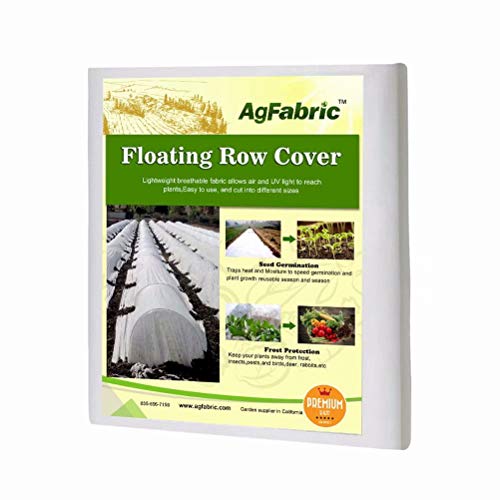
The plant row cover is made of 0.55 oz/sq non-woven polypropylene fabric which is lightweight breathable and durable. It allows air and moisture to reach your vegetables and flowers.
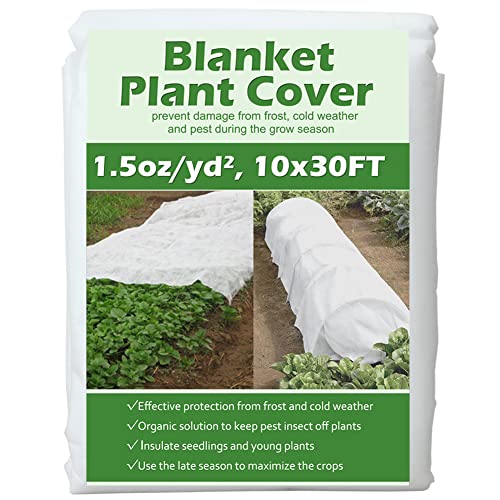
※Big Size to cover large area : The size of our plant cover is 10x30ft, the size can cover large areas. You can cut the plant covers freeze protection into different sizes for different use. You can cover it over the plant such as shrub tomato, pepper, pumpkin, and so on.
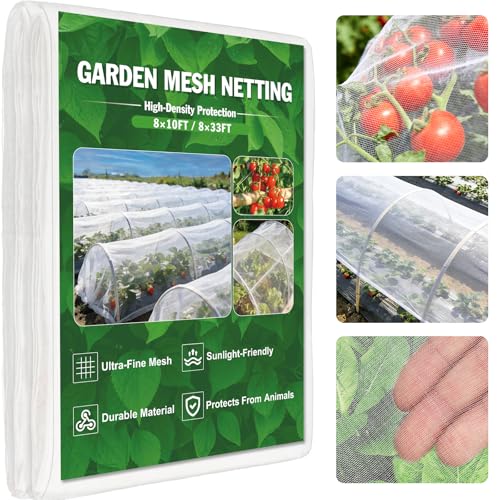
【Upgraded Fine Mesh Netting】This fine mesh garden netting uses 0.7*0.8mm high-density garden insect netting to block, birds, and small animals, offering reliable plant protection netting for vegetables and flowers
Harvesting and Storing Carrots
After patiently caring for your carrot plants, it’s time to reap the rewards by harvesting your homegrown carrots. Here’s a guide to help you with the final stages of this rewarding process:
Harvesting:
- Gently loosen the soil around the carrot tops to ease pulling them out.
- Carrots are ready for harvest when they reach about 1 inch in diameter. Firmly grasp the foliage and pull the carrots from the soil.
- Avoid damaging the carrots during harvest to prolong their freshness.
- Remove the foliage before storing to prevent moisture loss from the roots.
- Store carrots in a cool, humid place to maintain their crispness. A root cellar or refrigerator crisper drawer works well.
- Carrots can last for a few weeks when stored correctly.
- Additional Tip: For longer storage, consider freezing or canning your harvested carrots to enjoy them beyond the harvest season.
Recommended Products
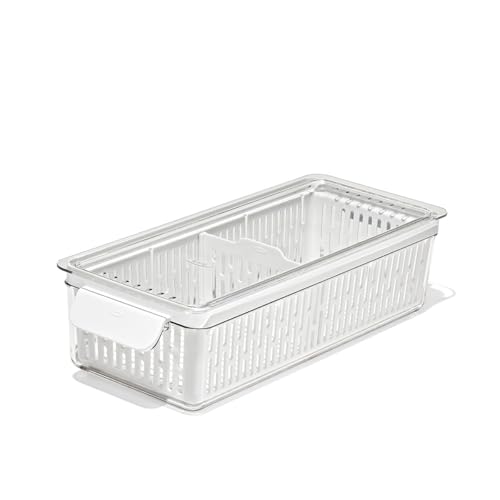
Help Keep Produce Fresh Longer: Fridge-friendly storage helps keep produce fresh longer with an inner basket keeps produce elevated and promotes optimal air circulation to keep things fresh

Keep Produce Fresh Longer: Produce containers for fridge with lids helps prevent spoilage, keep fruits and vegetables crisp and stay longer.

Help Keep Produce Fresh Longer: Fridge-friendly storage helps keep produce fresh longer with an inner basket keeps produce elevated and promotes optimal air circulation to keep things fresh
Conclusion
Now that you’ve learned the essential steps for harvesting and storing carrots, you’re well-equipped to enjoy your bountiful harvest for weeks to come. Remember to gently loosen the soil around the carrot tops, harvest at the optimal size, and remove foliage before storage. By following these simple guidelines, you can ensure your carrots stay fresh and delicious. Whether you choose to store them in a root cellar, refrigerator drawer, or preserve them through freezing or canning, you’ll be able to savor the flavors of your homegrown carrots long after the harvest season ends. Happy gardening and enjoy the fruits (or veggies!) of your labor!
Frequently Asked Questions
When is the best time to harvest carrots?
The best time to harvest carrots is when they are about 1 inch in diameter. Make sure to gently loosen the soil around the carrot tops for easy removal.
How can I store harvested carrots to maintain freshness?
To maintain freshness, remove the foliage from harvested carrots before storage. Store them in a cool, humid place like a root cellar or refrigerator drawer to extend their shelf life for a few weeks.
Can I preserve harvested carrots for long-term use?
Yes, you can preserve harvested carrots for long-term use by freezing or canning them. This allows you to enjoy your carrots beyond the harvest season.
