

Are you torn between conventional and organic cucumbers at the grocery store? Picture this: you’re standing in the produce aisle, staring at rows of vibrant cucumbers. But which ones should you pick? In this article, we’ll unravel the mystery and help you decide if organic cucumbers are worth the extra dime.
You’re not alone in this dilemma. Many folks wonder if the organic label is just a trendy buzzword or a game-changer for their health. Let’s dive into the juicy details and explore the benefits of choosing organic cucumbers. Get ready to make an informed choice that’s not only good for you but also for the planet.
Understanding Organic Farming
When choosing organic cucumbers, it’s essential to understand what sets organic farming apart.
- No Synthetic Pesticides: Organic farmers rely on natural methods rather than synthetic pesticides.
- Soil Health: Organic farming prioritizes soil fertility through practices like crop rotation and composting.
- Biodiversity: Organic farms often support biodiversity by avoiding monocultures.
- Transparency: Organic certification requires strict standards for production and labeling.
Organic farming supports sustainability by promoting ecological balance and reducing chemical exposure.
By grasping the principles of organic farming, you can make an informed choice when selecting cucumbers.
Pesticides: Conventional vs. Organic
When it comes to pesticides, the difference between conventional and organic cucumbers is significant. Conventional farming uses synthetic pesticides to protect crops, while organic farming relies on natural alternatives.
Conventional Cucumbers:
- Grown with synthetic pesticides.
- May contain residues of these chemicals.
- Synthetic pesticides can be harmful to human health and the environment.
- No synthetic pesticides are used.
- Protection from pests is achieved through natural methods.
- Lower risk of pesticide residues on the cucumbers you consume.
Choosing organic cucumbers can reduce your exposure to harmful chemicals and support environmental sustainability. It’s a small change that can have a positive impact on your health and the world around you.
Recommended Products

Selected and stored fresh

It's high in beneficial nutrients
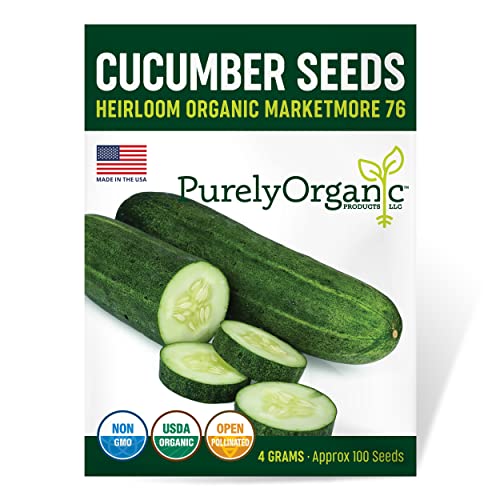
Cucumis Sativus: These finest quality, non-GMO, USDA Organic Marketmore Cucumber seeds produce hefty dark green, smooth fruits 8-9 inches long with a sweet and mild flavor ideal for slicing, salads, sandwiches and soups.
Nutrient Content of Organic Cucumbers
When it comes to the nutrient content of organic cucumbers, you’re in for a pleasant surprise. These green veggies pack quite a nutritional punch:
- Low in Calories: One cup of sliced cucumbers contains only about 16 calories.
- Hydration: With a high water content of around 95%, cucumbers are a hydrating snack.
- Vitamins: They are a good source of vitamin K, vitamin C, and potassium.
- Antioxidants: Cucumbers also contain antioxidants like beta-carotene and flavonoids.
Impact on Environment
When it comes to organic cucumbers, choosing them can have a positive impact on the environment. Organic farming practices focus on sustainability and reduce chemical pesticide and fertilizer use, helping preserve soil quality and protect water sources from contamination.
Organic cultivation methods also encourage biodiversity and work to maintain a healthy balance in the ecosystem. By opting for organic cucumbers, you’re supporting farming techniques that prioritize long-term environmental health and promote sustainable practices for future generations.
Recommended Products


Environmental Benefits of Choosing Organic Cucumbers
| Category | Data |
|---|---|
| Reduced Chemical Use | ✔️ |
| Soil Preservation | ✔️ |
| Water Protection | ✔️ |
| Biodiversity | ✔️ |
Why it Matters
Choosing organic cucumbers supports environmental stewardship and contributes to overall ecosystem health. By making this small change in your purchasing habits, you’re participating in sustainable agriculture and helping to create a healthier planet.
Making an Informed Decision
When deciding whether to buy organic cucumbers, there are a few key factors to consider.
- Health Benefits: Organic cucumbers are free of synthetic pesticides and contain higher levels of certain nutrients, making them a healthier choice for you and your family.
- Environmental Impact: Choosing organic supports sustainable farming practices, which help reduce chemical exposure and preserve ecosystems.
- Cost Consideration: While organic cucumbers may be priced slightly higher, the long-term benefits to your health and the environment outweigh the cost.
- Label Understanding: Look for certifications such as “USDA Organic” to ensure authentic organic produce.
- DIY Options: If organic cucumbers are not accessible, consider growing your own using home gardening methods to control pesticide use.
- Balanced Approach: If buying all organic is not feasible, prioritize organic cucumbers due to their thin skin that absorbs pesticides easily.
Remember, making an informed decision about purchasing organic cucumbers involves weighing health benefits, environmental impact, and budget considerations.
Recommended Products

Carrot seed oil for skin and face. Works as a fast-absorbing serum: press 1 to 2 drops into cleansed skin, drawing on naturally occurring vitamins A, C, and E to moisturize dry, tired-looking skin. Suits all skin types as a daily facial serum.


SKIN REFRESH & BALANCE: This lightweight facial mist helps refresh and rebalance skin with gentle hydration, leaving it feeling calm, comfortable, and revitalized as part of an everyday skincare routine.
Conclusion
You now have a better understanding of the benefits of choosing organic cucumbers. By prioritizing your health and supporting sustainable farming practices, opting for organic cucumbers can be a wise choice. Remember to consider factors like certifications, cost, and even the option of growing your own cucumbers at home. With their thin skin that easily absorbs pesticides, organic cucumbers offer a healthier alternative. Make a conscious decision based on your priorities – whether it’s your well-being, the environment, or your budget. Next time you’re at the store, think about the bigger picture and consider adding organic cucumbers to your shopping list.
Frequently Asked Questions
Are organic cucumbers more nutritious than conventional cucumbers?
Yes, organic cucumbers tend to be more nutritious as they are grown without synthetic pesticides or fertilizers, which can impact their overall nutritional value positively.
How do organic cucumbers benefit the environment?
Organic cucumbers benefit the environment by supporting sustainable farming practices that promote soil health, biodiversity, and reduce chemical pollution in water sources.
Why should I consider buying organic cucumbers?
Choosing organic cucumbers reduces exposure to harmful pesticides, supports sustainable agriculture, and promotes better health outcomes due to their cleaner cultivation practices.
What are the factors to consider when purchasing organic cucumbers?
Factors to consider include looking for organic certifications, considering the cost relative to your budget, and exploring DIY options for growing organic cucumbers at home.
Why are organic cucumbers recommended over conventional ones?
Organic cucumbers are recommended due to their thin skin, which easily absorbs pesticides used in conventional farming, making them a healthier choice for consumers.
