

Ever wondered when the perfect time is to plant those vibrant, earthy beets in your garden? Picture this: you’re eager to get your hands dirty and sow those beet seeds, but you’re unsure if it’s the right moment. Don’t fret, we’ve got you covered!
Understanding Beet Planting Seasons
When it comes to planting beets, timing is key. Understanding the planting seasons for beets can help you maximize your yield and ensure a successful harvest. Here’s a breakdown to guide you through the process:
Spring Planting:
- Ideal for regions with mild winters.
- Start planting beet seeds once the soil is workable in the early spring.
Summer Planting:
- Suitable for cool-weather crops.
- Plant beets in late spring for a summer harvest.
- Best for cold-hardy crops.
- Plant beets in late summer for a fall harvest or for overwintering in milder climates.
Factors to Consider Before Planting Beets
When planning to plant beets, consider the following factors for a successful harvest:
- Soil Temperature: Ensure the soil temperature is above 50°F for optimal germination.
- Soil Quality: Beets thrive in well-draining, fertile soil rich in organic matter.
- Sunlight: Choose a planting site that receives at least 6 hours of sunlight daily.
- Spacing: Plant beet seeds about 1 inch apart and thin seedlings to 3-4 inches apart once they emerge.
- Watering: Keep the soil consistently moist but not waterlogged to promote healthy growth.
- Companion Planting: Consider planting beets alongside carrots, onions, or lettuce for mutual benefits.
By considering these factors, you can set the right conditions for your beet seeds to flourish.
Recommended Products

Miracle-Gro Indoor Potting Mix for Seed Starting grows stronger roots for seeding success (vs unfed when used as directed)

CONTAINS: This organic Seed Stating soil mix is a rich blend of sphagnum peat moss & perlite with yucca extract and lime to ensure correct pH.

Includes Back to the Roots Compressed Seed Starting Potting Mix that expands to 12qt of soil. A balanced pH, which means it’s truly all-purpose. Use alone or as an amendment for anything in a pot or in the ground — vegetables, flowers, herbs, and even starting seeds.
Best Time of Year to Plant Beets
When it comes to planting beets, the best time of year to get started depends on the climate in your region. Here are some general guidelines to help you determine the optimal timing for planting your beet seeds:
- Spring: For cooler climates, planting beet seeds in spring after the last frost date is ideal. Beets thrive in temperatures ranging from 50°F to 75°F.
- Fall: In milder climates, consider planting beets in late summer to early fall for a late harvest. Beets can tolerate light frosts, making them a suitable crop for fall planting.
- Winter: In warmer regions where winters are mild, you can plant beets in winter for a continuous harvest throughout the season.
Remember to check the soil temperature before planting to ensure it’s above 50°F for optimal germination. By choosing the right time of year to plant your beets, you can set them up for success and enjoy a bountiful harvest.
Recommended Products

EASIER SEED STARTING: Our Burpee SuperSeed tray with 8 extra-large flexible pop-out cells is designed to simplify indoor seed starting. Just add seed starting mix, seeds, water and light to get growing! Perfectly sized for starting seeds in the windowsill: 11.5" x 5-3/16" x 2-1/4". Rows are labeled alphanumerically for seedling identification with included Plant-o-Gram diagram.

Set includes 43 lightly assorted Vegetable and Herb seeds!

Vegetable seeds variety pack: Grow 35 varieties of leafy greens, root vegetables, tomatoes, peppers, beans, peas, squash, melons, and more. Includes 16,000+ vegetable seeds for planting outdoors in raised beds, garden rows, or containers.
How to Prepare Your Garden for Beet Planting
- Clear the Area: Remove any weeds, rocks, or debris from the planting site.
- Soil Preparation: Ensure the soil temperature is above 50°F and work in some compost to boost fertility.
- Sunlight Exposure: Choose a spot that receives at least 6 hours of sunlight daily for healthy beet growth.
- Spacing: Plant beet seeds about 1 inch apart and ½ inch deep in rows 12-18 inches apart.
- Watering: Keep the soil consistently moist but not waterlogged to support seed germination.
- Companion Planting: Consider planting beets alongside carrots, onions, or lettuce for a mutually beneficial garden ecosystem.
Recommended Products
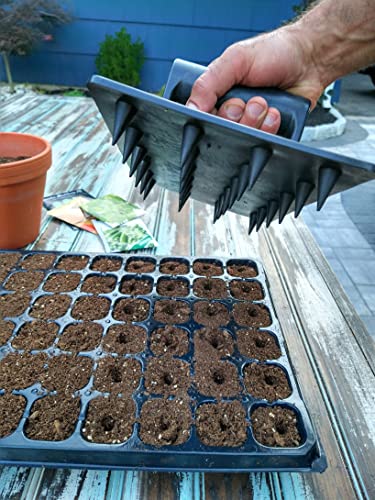
Efficiently start seeds indoors by creating perfect planting holes in 72-cell seed trays

BUILT TO LAST A LIFETIME WITH FULL STAINLESS STEEL: Crafted from a single piece of high-quality, rust-resistant stainless steel. Unlike tools with weak wooden handles, the Gardmate hand dibber is built for a lifetime of use, bending and wear in all weather conditions.
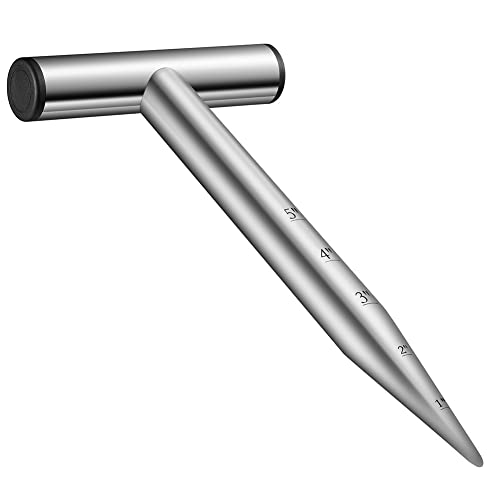
GARDEN DIBBER - This garden dibber tool is used for planting seeds, seedlings or bulbs. Our garden dibbers are made with stainless steel, suitable for planting roots and seeds in holes, perfect for dibber and planting bulbs, ideal tool for sowing and seedling, dig hole in soil for address signs, dig hole for solar garden lights, soil digger for self watering stakes, good accessory for your garden
Conclusion
Planting beets successfully relies on key factors like soil temperature, soil quality, sunlight, and spacing. Remember to check soil temperature, use fertile soil, provide sunlight, space seeds properly, and maintain soil moisture. Consider companion planting with carrots, onions, or lettuce for mutual benefits. Timing is crucial: spring for cooler regions, late summer to early fall for milder climates, and winter for warmer areas. Prepare the planting area by clearing weeds and debris, adding compost, ensuring sunlight, proper spacing, and consistent moisture. By following these guidelines, you can enjoy a thriving beet harvest. Happy planting!
Frequently Asked Questions
When is the best time to plant beets?
Plant beets in spring for cooler regions, late summer to early fall for milder climates, and winter for warmer areas with mild winters.
What factors should I consider before planting beets?
Ensure soil temperature is above 50°F, use well-draining fertile soil, provide adequate sunlight, space seeds properly, maintain consistent soil moisture, and consider companion planting.
Why is soil temperature important for planting beets?
Soil temperature above 50°F ensures successful germination and helps in achieving a bountiful harvest.
Which vegetables are good companions for beets?
Consider companion planting with carrots, onions, or lettuce for mutual benefits in your garden ecosystem.
