Close Menu
    Veggie Knowledge
    • Home
    • Growing Vegetables
      • Beets
      • Broccoli
      • Carrots
      • Cucumber
      • Green Beans
    • Tips and Advice
    • Free eBook
    • About
      • Contact
      • Privacy Policy
    Veggie Knowledge
    Home»Cucumber»How to Support Cucumber Plants: Tips for Watering, Pest Control, and Growth
    Cucumber

    How to Support Cucumber Plants: Tips for Watering, Pest Control, and Growth

    Lucy StoneBy Lucy StoneMay 11, 20245 Mins Read
    Facebook Twitter Pinterest LinkedIn Tumblr WhatsApp VKontakte Email
    Share
    Facebook Twitter LinkedIn Pinterest Email

    Understanding Cucumber Plant Needs

    Contents show
    1 Understanding Cucumber Plant Needs
    2 Choosing the Right Location
    3 Providing Proper Watering and Drainage
    4 Implementing a Support System
    5 Ensuring Pest and Disease Management
    6 Conclusion
    7 Frequently Asked Questions
    7.1 Why is proper watering important for cucumber plants?
    7.2 How can I effectively manage pests on my cucumber plants?
    7.3 What should I do if my cucumber plants show signs of diseases?

    To support your cucumber plants properly, it’s crucial to understand their specific requirements.

    • Sunlight: Cucumbers thrive in full sun, so ensure they get at least 6-8 hours of direct sunlight daily.
    • Water: Keep the soil consistently moist, but not waterlogged. Water the plants deeply about 1-2 times a week, depending on weather conditions.
    • Soil: Cucumbers prefer well-draining soil with a pH level of 6.0-7.0. Consider adding compost for nutrients.
    • Temperature: Ideal daytime temperatures range between 70-85°F, while nighttime temperatures should stay above 60°F.
    • Spacing: Plant them about 12-24 inches apart to allow proper airflow and prevent diseases.
    • Support: Cucumbers benefit from vertical support like trellises or cages to encourage upward growth and keep fruits off the ground, reducing the risk of rot.

    By meeting these basic needs, you’ll set your cucumber plants up for a successful growing season.

    Choosing the Right Location

    When selecting a location for your cucumber plants, opt for a spot that receives full sunlight for at least 6-8 hours a day.

    Ensure the soil is well-draining to prevent waterlogging, which can harm the roots. Suboptimal soil can be amended with compost to improve its quality.

    To provide adequate vertical support, consider placing your cucumber plants near a trellis or fence. This will help them grow vertically and save space in your garden.

    Proximity to a water source is also crucial for easy irrigation. Proper hydration is key for healthy cucumber growth.

    Remember, the right location sets the foundation for a bountiful cucumber harvest.

    Providing Proper Watering and Drainage

    When it comes to supporting your cucumber plants effectively, reliable watering and adequate drainage are non-negotiable.

    Here’s what you need to do:

    • Watering: Consistency is key. Water deeply but infrequently, aiming to keep the soil consistently moist, not soggy.
    • Drainage: Ensure your cucumber plants are not sitting in waterlogged soil. Amend your soil with compost for better drainage if needed.
    • Consider using raised beds or mounds to enhance drainage and reduce the risk of root rot.
    MUST READ:  How to Harvest Cucumbers Like a Pro: Tips for Perfect Taste and Texture

    Don’t forget:

    • Avoid overhead watering to prevent susceptibility to diseases.
    • Monitoring soil moisture is crucial. Stick your finger in the soil; if it feels dry an inch deep, it’s time to water.

    Remember, providing the right mix of watering and drainage is vital for your cucumber plants’ overall health and productivity.

    Recommended Products

    Antonki 2 Pack Soil Moisture Meter, Plant Water Meter for Gardening, Farming, Soil Tester Hygrometer Sensor for Indoor Outdoor House Plants, Flower, Lawn - No Battery Required
    Antonki 2 Pack Soil Moisture Meter, Plant Water Meter for Gardening, Farming, Soil Tester Hygrometer Sensor for Indoor Outdoor House Plants, Flower, Lawn - No Battery Required

    【Instant & Accurate Moisture Reading, No More Guesswork】 This plant moisture meter gives precise soil moisture readings in seconds! The responsive pointer instantly tells you if soil is dry, moist, or wet. It helps avoid overwatering & root rot, letting you water plants like a pro with confidence

    VIEW LATEST PRICE

    As an affiliate, we earn on qualifying purchases.

    GROWIT Plant Moisture Meter - Accurately Tells You When to Water Your Plants - 26cm, No Battery Needed
    GROWIT Plant Moisture Meter - Accurately Tells You When to Water Your Plants - 26cm, No Battery Needed

    STOP OVERWATERING - Our soil moisture meter prevents overwatering or under-watering. Your plants will thank you! Total length of this meter 26 cm (10.24 inch) and probe 7 inch (17.8 cm).

    VIEW LATEST PRICE

    As an affiliate, we earn on qualifying purchases.

    XLUX Long Probe Deep Use Soil Moisture Meter, Water Monitor Indicator Sensor, Hygrometer for Outdoor Indoor Large Pot Plants, Flower, Gardening, Farming
    XLUX Long Probe Deep Use Soil Moisture Meter, Water Monitor Indicator Sensor, Hygrometer for Outdoor Indoor Large Pot Plants, Flower, Gardening, Farming

    Accurate Soil Moisture Detection: The XLUX Soil Moisture Meter can tell you if the soil deep inside your pot or garden is dry, moist or wet; whereas your eyes and fingers can only determine the moisture level of the soil surface. The probe is 5.5 inches (14 cm) longer than regular styles, allowing it to measure the soil moisture at the bottom of larger and deeper flower pots.

    VIEW LATEST PRICE

    As an affiliate, we earn on qualifying purchases.

    Implementing a Support System

    When it comes to supporting your cucumber plants, it’s essential to provide them with the right framework as they grow. Here are some practical tips to help you implement a solid support system:

    • Choose the Right Supports: Opt for sturdy trellises, cages, or stakes to help your cucumber plants stay upright as they mature.
    • Train Your Plants: Gently guide the vines as they grow, encouraging them to climb and weave around the supports for stability.
    • Space Matters: Ensure adequate spacing between plants and supports to prevent crowding and allow for proper airflow and sunlight exposure.
    • Regular Maintenance: Keep an eye on your supports throughout the growing season, adjusting as needed to accommodate the plants’ growth.
    MUST READ:  Companion Planting Peppers and Cucumbers: Pest Management Tips and Solutions

    Supporting your cucumber plants not only helps them thrive but also makes harvesting easier and more efficient. By following these tips, you’ll set your plants up for success as they reach towards the sun and produce an abundant harvest.

    Recommended Products

    Cucumber Trellis for Raised Beds, 45 x 53 Inch Adjustable Size A-Frame Garden Trellis for Climbing Plant Outdoors with Climbing Net and Plant Support Clip for Vegetable Grape Tomato Bean Pea
    Cucumber Trellis for Raised Beds, 45 x 53 Inch Adjustable Size A-Frame Garden Trellis for Climbing Plant Outdoors with Climbing Net and Plant Support Clip for Vegetable Grape Tomato Bean Pea

    Customizable A-Frame Structure: Elevate your garden with our versatile Adjustable-size A-frame garden trellis for cucumbers. Crafted with 37 straight stakes of 15.74 inches, 2 longer straight stakes of 18.1 inches, 4 A-Fork connectors, and 4 straight connectors, this trellis adapts to your garden's needs, providing optimal support for cucumber plants and other climbing vegetables.

    VIEW LATEST PRICE

    As an affiliate, we earn on qualifying purchases.

    MQHUAYU 2 Pack Garden Trellis for Climbing Plants Outdoors,65Inch Cucumber Trellis Garden Obelisk Trellis Rustproof Plants Support with Adjustable Heights for Indoor Potted Plants, Vines, Vegetables
    MQHUAYU 2 Pack Garden Trellis for Climbing Plants Outdoors,65Inch Cucumber Trellis Garden Obelisk Trellis Rustproof Plants Support with Adjustable Heights for Indoor Potted Plants, Vines, Vegetables

    【Waterproof and Durable】: Our obelisk trellis is made of metal tubes and PE plastic coating, which prevents the tower from rusting, waterproof and able to withstand all kinds of weather conditions, ensuring a long service life.

    VIEW LATEST PRICE

    As an affiliate, we earn on qualifying purchases.

    Tcamp Heavy-Duty Polyester Garden Trellis Netting Plant Climbing Net for Growing Vines Plants Vegetables Fruits Flowers, White Grow Tent (5Ft x15Ft, 3.5" Opening Mesh, 1 Pack)
    Tcamp Heavy-Duty Polyester Garden Trellis Netting Plant Climbing Net for Growing Vines Plants Vegetables Fruits Flowers, White Grow Tent (5Ft x15Ft, 3.5" Opening Mesh, 1 Pack)

    PRODUCT SIZE - Trellis netting 5Ft *15 Ft, 3.5 inch square mesh, easily cut to desired size to use. Important note: The trellis netting comes in a vacuum sealed bag.

    VIEW LATEST PRICE

    As an affiliate, we earn on qualifying purchases.

    Ensuring Pest and Disease Management

    Pests and diseases can wreak havoc on your cucumber plants, affecting their growth and yield. Here are essential tips to help you effectively manage these threats:

    • Regular Inspection: Check your plants frequently for any signs of pests or diseases. Early detection is key to preventing major infestations.
    • Companion Planting: Consider planting marigolds or basil near your cucumber plants. These companion plants can help repel pests naturally.
    • Handpick Pests: If you spot pests like aphids or cucumber beetles, consider handpicking them to control their numbers.
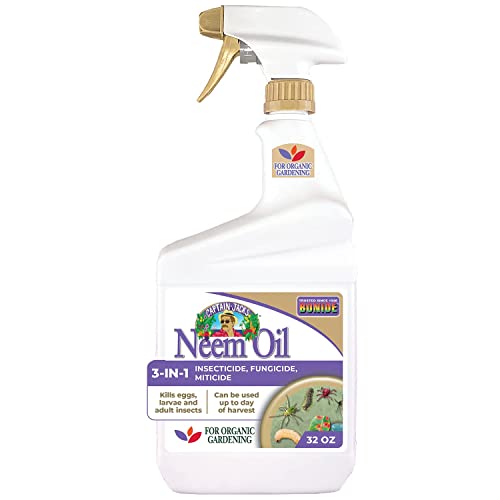
    • Neem Oil: Use neem oil as a natural insecticide to deter common cucumber pests without harming beneficial insects.
    • Fungal Diseases: To prevent fungal diseases like powdery mildew, ensure good air circulation around your plants and avoid overhead watering.
    • Organic Sprays: In case of severe pest infestations, opt for organic sprays like pyrethrin to protect your cucumber plants.
    • Proper Removal: Remove any affected leaves or fruits promptly to prevent the spread of diseases throughout your cucumber plants.
    MUST READ:  Mastering Cucumber Planting in Your Garden: From Watering to Pest Control

    By implementing these pest and disease management practices, you can safeguard your cucumber plants and ensure a healthy harvest.

    Conclusion

    You’ve learned the key elements to support your cucumber plants effectively. By focusing on proper watering, drainage, and pest management, you can ensure a thriving cucumber garden. Remember to check your plants regularly, consider companion planting, and use natural remedies when needed. With these tips in mind, you’re on your way to a successful cucumber harvest. Happy gardening!

    Frequently Asked Questions

    Why is proper watering important for cucumber plants?

    Proper watering is crucial for cucumber plants to prevent issues like wilting and fruit bitterness. Overwatering can lead to root rot, while underwatering can cause stunted growth and poor fruit development.

    How can I effectively manage pests on my cucumber plants?

    Regularly inspect your plants for pests like aphids and cucumber beetles. Consider companion planting with marigolds or basil to repel pests naturally. Handpick any visible pests and use neem oil as a natural insecticide when necessary.

    What should I do if my cucumber plants show signs of diseases?

    Ensure good air circulation around the plants to prevent fungal diseases. Promptly remove affected leaves or fruits to prevent disease spread. Consider using organic sprays to control diseases when needed.

    Share. Facebook Twitter Pinterest LinkedIn Tumblr WhatsApp Email
    Previous ArticleUnlocking the Nutritional Power of Cucumber Seeds: A Health-Conscious Guide
    Next Article How to Save Broccoli Seeds Successfully: Proven Tips for Optimal Harvesting and Storage
    lucy stone
    Lucy Stone

      Hi, I'm Lucy! As a passionate gardener and writer for Veggie Knowledge, I've dedicated my life to exploring the secrets of successful vegetable growing. My love for gardening blossomed in my grandmother's backyard, where I learned how much joy a single plant can bring. I aim to share that joy through practical tips and insightful advice, helping you cultivate your own thriving garden

      Related Posts

      How to Water Cucumber Plants for Maximum Growth: Essential Tips

      July 2, 2024

      How to Harvest Straight Eight Cucumbers for Optimal Flavor and Texture

      July 2, 2024

      Optimize Cucumber Plant Yield: Maximize Productivity with Key Strategies

      July 2, 2024

      When to Plant Cucumbers for a Bountiful Harvest: Essential Tips

      July 2, 2024
      Leave A Reply Cancel Reply

      Affiliate Disclosure

      As an Amazon Associate, I earn from qualifying purchases.

      Recommended Reading

      How Long Does It Take to Grow Oregano? Diagnostic Guide

      Growing Vegetables

      How to Grow a Green Onion: Simple Homeowner Hack for Success

      Growing Vegetables

      How to Grow Japanese Garlic: Professional Finish at Home

      Growing Vegetables

      How to Grow Lettuce Hydroponically: The Most Efficient Method

      Growing Vegetables

      How Does My Garden Grow? Master the Basics for Success

      Growing Vegetables

      How to Grow Potatoes in Containers: Pro Secrets Revealed

      Growing Vegetables

      Planting Basil: How to Grow for a Bountiful Harvest

      Growing Vegetables

      How to Grow Potatoes From Store Bought Ones: Simple DIY Hack

      Growing Vegetables
      How VeggieKnowledge.com Got Started

      We started this website to share our love of vegetables with the world, and to help people discover the many benefits of growing, cooking, and eating fresh and delicious vegetables.

      Got questions or comments? You can reach us at [email protected].

      Featured Articles

      10 Common Gardening Mistakes (and How to Avoid Them)

      How Much Sun Do Vegetables Really Need?

      Beginner’s Guide to Growing Vegetables: What to Know Before You Start

      Watering 101: How to Keep Your Plants Happy and Healthy

      The Best Vegetables for First-Time Gardeners

      Categories
      • Beets
      • Broccoli
      • Carrots
      • Cucumber
      • Green Beans
      • Tips and Advice
      Veggie Knowledge
      • Home
      • About
      • Contact
      • Privacy Policy
      • Affiliate Disclosure
      • Free eBook
      © 2026 Veggie Knowledge

      Type above and press Enter to search. Press Esc to cancel.