

Benefits of Saving Broccoli Seeds
When it comes to saving broccoli seeds, there are several benefits to consider. Here are some of the advantages:
- Cost-effective: By saving broccoli seeds, you can save money on buying new seeds for your next planting season.
- Adaptability: The seeds you save from your own broccoli plants are already adapted to your specific growing conditions.
- Variety Preservation: You can ensure the preservation of specific varieties of broccoli that you enjoy by saving their seeds.
Overall, saving broccoli seeds can be a rewarding and practical approach to gardening.
Selecting the Right Broccoli Plant for Seed Saving
When selecting a broccoli plant for seed saving, look for a plant that exhibits the following characteristics:
- Healthy Appearance: Choose a plant that is strong, vibrant, and free from diseases or pests.
- Desired Traits: Select a plant that showcases the traits you want to preserve, whether it’s a particular color, size, or flavor.
- Maturity: Opt for a plant that is fully mature, as seeds from immature plants may not develop properly.
- Open-Pollinated Varieties: Focus on open-pollinated varieties for seed saving, as hybrid varieties may not produce true seeds.
You want to ensure that the broccoli plant you choose is ideal for seed saving to reap the best results in your future harvests.
Recommended Products

Brassica Rapa Var. Italica: These finest quality, non-GMO, USDA Organic Spring Rapini Broccoli Raab seeds produce a quick crop of tender shoots; and bright-green mini florets with rich, verdant flavors delicious cooked or raw.

Beautiful - Large premium packet of Waltham 29 Broccoli (Brassica oleracea) seeds. A reliable heirloom that produces 5-6" blue-green heads and an abundance of side shoots. Waltham 29 is adapted for both drought and cold tolerance. Minimum of 750 mg per packet (about 200 seeds).

GROW NUTRITIOUS BROCCOLI SPROUTS AT HOME: Enjoy vitamin-packed organic broccoli sprouts with Nature Jims' broccoli sprout seeds. Ideal for indoor and outdoor growing, these seeds for sprouting offer fresh, healthy sprouts in no time.
Best Practices for Harvesting Broccoli Seeds
To ensure successful seed harvesting, follow these best practices when dealing with broccoli plants:
- Timing is key: Let the broccoli plant grow until the florets are dry and brown before harvesting.
- Patience pays off: Allow the seeds to dry completely on the plant before removing them.
- Prepare for harvest: Keep a close eye on the plant and protect the seeds from birds or various pests.
- Harvesting process: Cut the seed heads and place them in a bag to catch any seeds that might fall during handling.
- Dry the seeds: After harvesting, lay the seed heads out to dry thoroughly before storing for future use.
| Timing to Harvest | Preparation | Post-Harvest |
|---|---|---|
| When florets are dry and brown | Protect seeds from pests | Thoroughly dry the seeds before storage |
Remember, proper harvesting techniques can improve the quality of your broccoli seeds and ensure successful seed saving for future planting.
Recommended Products
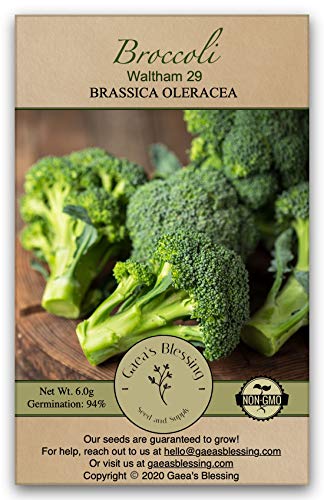
Brassica oleracea - Open-Pollinated - Non-GMO - 94% Germination Rate with the current lot

【Durable, Will Last Long】Made of food grade premium-grade stainless steel, durable and strong, not easy to bend.

A Complete 12 Pcs Gardening Tools Set: The garden kit includes durable gardening essentials for saving and collecting seeds - rust-proof garden scissors (precision snips), tweezers, brushes sieves, branded wooden funnel, fabric seed bags and seed containers.
Cleaning and Storing Broccoli Seeds
Now that you’ve harvested your broccoli seeds, it’s time to ensure they are properly cleaned and stored for future planting. Here are some essential steps to follow:
Cleaning the Seeds
- Remove Debris: Begin by gently crushing the dried seed heads to separate the seeds from the chaff and small debris.
- Winnowing: Use a gentle breeze or a fan to blow away the lighter chaff, allowing the heavier seeds to fall into a clean container.
- Fine Cleaning: For a thorough clean, you can use a sieve with small enough holes to retain the seeds while sifting out the remaining debris.
- Quality Check: Inspect the seeds for any remaining impurities before moving on to the next step.
Storing the Seeds
- Drying Process: Ensure the seeds are completely dry before storage to prevent mold formation. Spread them out in a single layer on a paper towel or tray, away from direct sunlight, until fully dried.
- Storage Containers: Use envelopes, glass jars, or airtight containers to store the seeds. Remember to label each container with the seed variety and date of collection for easy identification.
- Ideal Conditions: Store the seeds in a cool, dark, and dry place to maintain their viability. Avoid fluctuations in temperature and humidity to prolong their shelf life.
- Seed Testing: Consider performing a germination test before each planting season to ensure the seeds’ viability.
- Rotation: To maintain seed viability, rotate your saved seeds with new stock periodically.
- Seed Saving Journal: Keeping a record of your seed-saving endeavors can help track successes, challenges, and improvements for future reference.
By following these steps, you can help preserve the quality and viability of your broccoli seeds for successful future plantings.
Tips for Successful Broccoli Seed Saving
To successfully save broccoli seeds, follow these invaluable tips:
- Isolation Distance: Ensure different broccoli varieties are adequately separated to prevent cross-pollination.
- Seed Maturity: Allow the broccoli florets to mature fully on the plant before harvesting for optimum seed quality.
- Dry Seeds Properly: After harvesting, air-dry the seeds thoroughly in a well-ventilated area to prevent mold growth.
- Store Correctly: Use airtight containers in a cool, dry, and dark place to maintain seed viability.
- Label Clearly: Don’t forget to label containers with the broccoli variety and the date of collection for easy identification.
- Regular Testing: Periodically test stored seeds for viability to ensure they remain in good condition.
- Keep Records: Maintain a detailed seed-saving journal to track the performance of different seed lots over time.
By applying these key tips, you can enhance the success of your broccoli seed saving endeavors for future plantings.
Conclusion
Now you have a better understanding of the essential tips for successfully saving broccoli seeds. By following these guidelines, you can ensure the quality and viability of your seeds for future plantings. Remember to give your broccoli florets time to fully mature, air-dry your seeds thoroughly, and store them in optimal conditions. Regularly testing seed viability and maintaining a detailed journal will further support your seed-saving endeavors. With these practices in place, you’ll be well-equipped to enjoy a bountiful harvest of broccoli in your garden year after year. Happy seed saving!
Frequently Asked Questions
How can I prevent cross-pollination when saving broccoli seeds?
To prevent cross-pollination when saving broccoli seeds, maintain an isolation distance of at least 2 miles from other broccoli varieties.
When should I harvest broccoli florets for seed saving?
Harvest broccoli florets for seed saving when they are fully mature and beginning to dry out.
How can I prevent mold when air-drying broccoli seeds?
Prevent mold by air-drying broccoli seeds thoroughly in a well-ventilated area before storing.
What is the best way to store broccoli seeds?
Store broccoli seeds in airtight containers in cool, dry, and dark conditions to maintain seed viability.
Why is it important to label seed containers?
Label seed containers for easy identification of broccoli seed varieties and planting information.
How can I test seed viability regularly?
Regularly test seed viability by performing germination tests with a small sample of saved broccoli seeds.
Why should I maintain a detailed seed-saving journal?
Maintain a detailed seed-saving journal to track successful techniques, results, and any issues for future reference.
