

Thinking about whether to buy organic broccoli or not? Ever stood in the produce aisle, pondering the benefits of going organic? Picture this – you, trying to make the best choice for your health and the environment. Is it worth it? In this article, we’ll dive into the world of organic broccoli and help you decide if it’s the right pick for you. Worried about pesticides or nutrient levels? We’ve got you covered. Let’s unravel the mystery together and make your grocery shopping a breeze.
The Benefits of Organic Broccoli
When you opt for organic broccoli, you’re not only making a choice that benefits your health but also the environment. Wondering how this cruciferous veggie can make a positive impact? Here are some key benefits:
- Nutrient Density: Organic broccoli is packed with essential nutrients like vitamins C and K, fiber, and antioxidants.
- Pesticide-Free: By choosing organic, you reduce your exposure to harmful pesticides commonly used in conventional farming.
- Environmental Sustainability: Organic farming practices prioritize soil health, biodiversity, and water conservation, contributing to a more sustainable food system.
- Better Taste: Many find that organic broccoli has a richer flavor compared to its conventionally grown counterpart.
Now that you know the benefits, next time you’re at the grocery store, consider reaching for that organic broccoli for a tasty and nutritious addition to your plate.
Recommended Products
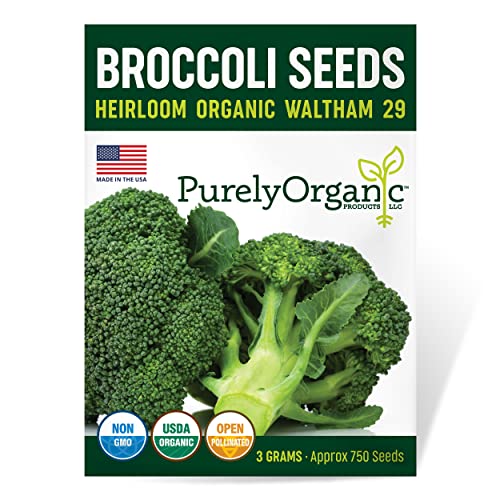
Brassica Oleracea Var. Italica: These finest quality, non-GMO, USDA Organic Waltham 29 Broccoli seeds produce crisp, crunchy, dark greenish-blue florets, leaves and stems that are packed with flavor and vitamins. They’re great on a plate!

100% Pure and Natural Premium Organic Broccoli Seed Oil

USDA Organic baby bimi broccoli with tender stems and sweet flavor, ready to cook
Pesticides in Conventional Broccoli vs. Organic Broccoli
When it comes to pesticides, it’s essential to understand the key differences between conventional and organic broccoli:
- Conventional Broccoli:
- Typically grown using synthetic pesticides and fertilizers.
- May retain pesticide residues, even after washing.
- Exposure to these pesticides has been linked to various health concerns over time.
- Organic Broccoli:
- Grown without synthetic pesticides, relying on natural methods instead.
- Certified organic broccoli ensures strict standards are met, limiting pesticide use.
- Choosing organic can reduce your exposure to potentially harmful pesticides.
While conventional broccoli provides a more cost-effective option, organic broccoli offers lower pesticide exposure and promotes environmental sustainability. Making an informed choice based on your priorities can positively impact your health and the environment.
Recommended Products

100% pure Broccoli Seed Oil

Fermented Broccoli for Detox Support: Dr. Mercola Fermented Broccoli Sprouts helps support your body's healthy detoxification processes and overall cellular health*
Nutrient Comparison: Organic vs. Conventional Broccoli
When deciding between organic and conventional broccoli, nutrient content is a crucial aspect to consider. Both types offer essential vitamins and minerals, but there are variations in their nutrient profiles that might influence your choice.
Vitamin and Mineral Content
In general, organic broccoli has been found to contain higher levels of certain nutrients compared to conventional broccoli. These include vitamin C, iron, and phosphorus. These nutrients play important roles in supporting various bodily functions, such as immune system health and bone strength.
Antioxidant Levels
Organic broccoli tends to have higher antioxidant levels than its conventional counterpart. Antioxidants are beneficial compounds that help protect your cells from damage caused by free radicals. By opting for organic broccoli, you may boost your intake of these protective substances.
Pesticide Residues
It’s worth noting that conventional broccoli may contain pesticide residues, which could potentially impact its overall nutrient content. Organic broccoli, being grown without synthetic pesticides, offers a cleaner option with potentially lower pesticide residue levels.
Fiber Content
Both organic and conventional broccoli are good sources of dietary fiber, which is essential for digestive health. Including broccoli in your diet can contribute to meeting your daily fiber needs, supporting regularity and overall gut health.
Nutrient Retention
When preparing broccoli, cooking methods can affect nutrient retention. To preserve the maximum amount of nutrients, consider steaming or lightly sautéing your broccoli instead of boiling it.
Final Tip
Before making your decision, consider your nutritional priorities and how each type of broccoli aligns with your health goals. Being aware of these nutrient differences can help you make an informed choice when purchasing broccoli for your meals.
Environmental Impact of Organic Broccoli Farming
When deciding whether to buy organic broccoli, considering the environmental impact of how it’s grown is crucial. Organic broccoli farming practices are designed to promote biodiversity and sustainability.
- Pesticide Reduction:
Organic broccoli farming avoids synthetic pesticides, reducing harmful chemical residues in soil and water sources. - Soil Health:
Organic methods focus on building healthy soil through practices like crop rotation and composting, benefitting ecosystem stability. - Water Conservation:
Organic farming tends to use less water due to practices such as mulching and drip irrigation, helping to conserve this vital resource. - Carbon Footprint:
By emphasizing natural fertilizers and renewable resources, organic farming can contribute to lower carbon emissions compared to conventional methods. - Bee-Friendly:
Many organic farms strive to create pollinator-friendly environments, supporting bee populations crucial for plant pollination. - Local Communities:
Choosing organic broccoli can also support local farmers who often follow sustainable practices that benefit community health and well-being.
Making an Informed Decision
Thinking about whether to buy organic broccoli? Here are some factors to consider:
- Nutritional Value: Organic broccoli boasts higher levels of certain nutrients and antioxidants.
- Pesticide Residue: Organic farming avoids synthetic pesticides, so organic broccoli typically has lower pesticide residue levels.
- Environmental Impact: Organic broccoli farming supports biodiversity, soil health, and reduced carbon emissions.
When deciding whether to buy organic or conventional broccoli, weigh these factors to make an informed choice.
Recommended Products


FROZEN VEGETABLES: Ready-to-roast frozen veggies to complement any protein or recipe; Serve them as a family favorite side dish or meal addition
Conclusion
When it comes to choosing between organic and conventional broccoli, the environmental benefits and nutritional advantages of organic farming practices are clear. Opting for organic broccoli not only supports biodiversity, soil health, and sustainability but also provides you with produce that is rich in nutrients and antioxidants while minimizing pesticide residue. By making a conscious decision to buy organic broccoli, you are not only benefiting your health but also contributing to a more eco-friendly agricultural system. So next time you’re at the grocery store, consider reaching for that organic broccoli to enjoy all these benefits.
Frequently Asked Questions
Is organic broccoli farming better for the environment?
Yes, organic broccoli farming is better for the environment due to practices promoting biodiversity, sustainability, and reduced pesticide use. Organic methods benefit soil health, conserve water, and lower carbon emissions.
What are the benefits of consuming organic broccoli?
Organic broccoli has higher levels of nutrients and antioxidants, lower pesticide residue levels, and supports biodiversity and soil health. Consuming organic broccoli can contribute to a healthier lifestyle and support sustainable farming practices.
How can I make an informed choice between organic and conventional broccoli?
Consider factors such as environmental impact, nutrient content, pesticide residues, and support for sustainable farming practices when deciding between organic and conventional broccoli. Making an informed choice aligns with your values and promotes a healthier planet.
